- English
- French
- German
- Portuguese
- Spanish
- Russian
- Japanese
- Korean
- Arabic
- Irish
- Greek
- Turkish
- Italian
- Danish
- Romanian
- Indonesian
- Czech
- Afrikaans
- Swedish
- Polish
- Basque
- Catalan
- Esperanto
- Hindi
- Lao
- Albanian
- Amharic
- Armenian
- Azerbaijani
- Belarusian
- Bengali
- Bosnian
- Bulgarian
- Cebuano
- Chichewa
- Corsican
- Croatian
- Dutch
- Estonian
- Filipino
- Finnish
- Frisian
- Galician
- Georgian
- Gujarati
- Haitian
- Hausa
- Hawaiian
- Hebrew
- Hmong
- Hungarian
- Icelandic
- Igbo
- Javanese
- Kannada
- Kazakh
- Khmer
- Kurdish
- Kyrgyz
- Latin
- Latvian
- Lithuanian
- Luxembou..
- Macedonian
- Malagasy
- Malay
- Malayalam
- Maltese
- Maori
- Marathi
- Mongolian
- Burmese
- Nepali
- Norwegian
- Pashto
- Persian
- Punjabi
- Serbian
- Sesotho
- Sinhala
- Slovak
- Slovenian
- Somali
- Samoan
- Scots Gaelic
- Shona
- Sindhi
- Sundanese
- Swahili
- Tajik
- Tamil
- Telugu
- Thai
- Ukrainian
- Urdu
- Uzbek
- Vietnamese
- Welsh
- Xhosa
- Yiddish
- Yoruba
- Zulu
What Materials Can an AG Panel Roll Forming Machine Process?
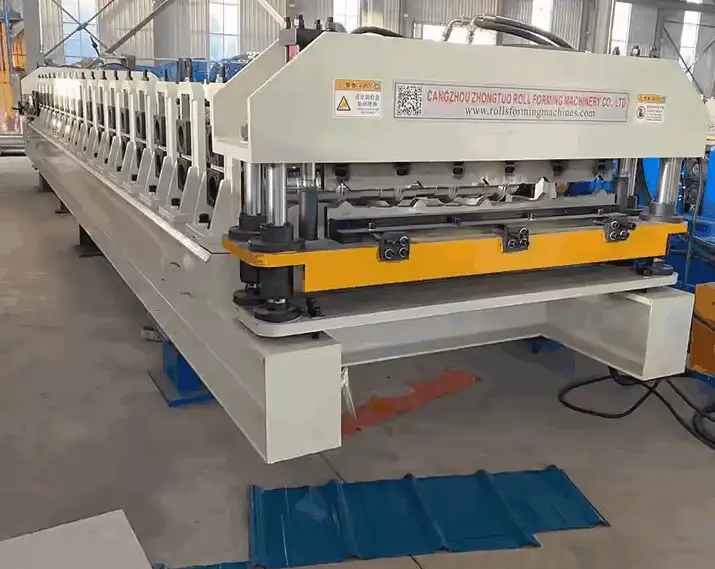
AG panel roll forming machines are versatile pieces of equipment that play a crucial role in the manufacturing of agricultural panels. These machines are designed to shape various materials into specific profiles, making them essential for producing high-quality panels used in agricultural buildings, storage facilities, and other structures. In this comprehensive guide, we'll explore the range of materials that can be processed by an AG panel roll forming machine, discuss alternative options, and provide expert tips on selecting the right material for your project.
Beyond Steel: Exploring Alternative Materials
While steel is the most common material used in AG panel production, modern roll forming machines are capable of processing a variety of materials. Let's take a closer look at some of the options available:
Galvanized Steel
Galvanized steel is a popular choice for AG panels due to its corrosion resistance and durability. The zinc coating provides excellent protection against rust, making it ideal for agricultural applications where exposure to moisture and chemicals is common. An AG panel roll forming machine can easily process galvanized steel sheets of varying thicknesses, typically ranging from 0.3mm to 1.5mm.
Aluminum
Aluminum is another material that can be effectively processed by an AG panel roll forming machine. Its lightweight nature, corrosion resistance, and aesthetic appeal make it an attractive option for certain agricultural applications. Aluminum panels are particularly suitable for structures that require a combination of strength and reduced weight.
Copper
Although less common, copper can also be processed using an AG panel roll forming machine. Copper panels offer unique aesthetic qualities and excellent corrosion resistance. However, due to its higher cost, copper is typically reserved for specialized applications or architectural features in agricultural buildings.
Stainless Steel
For environments that demand exceptional corrosion resistance and hygiene, stainless steel panels can be produced using an AG panel roll forming machine. These panels are ideal for food processing areas, dairy farms, and other agricultural facilities where cleanliness is paramount.
Pre-painted Steel
Pre-painted steel sheets can be processed to create colorful and visually appealing AG panels. These panels come with a factory-applied paint finish, eliminating the need for on-site painting and reducing overall installation time and costs.
Material Properties: Impact on Machine Settings
The properties of different materials have a significant impact on the settings and operation of an AG panel roll forming machine, and understanding these properties is crucial for achieving optimal results and maintaining the longevity of your equipment in an AG panel roll forming machine factory.
Thickness and Hardness
The thickness and hardness of the material being processed directly affect the pressure and speed settings of the roll forming machine. Thicker and harder materials typically require higher pressure and slower processing speeds to ensure proper shaping without damaging the material or the machine.
Ductility and Formability
Materials with higher ductility and formability, such as certain grades of aluminum, can be processed at higher speeds and with less pressure. This allows for increased productivity without compromising the quality of the finished panels.
Surface Finish
The surface finish of the material being processed can impact the roller design and material handling systems of the AG panel roll forming machine. For example, pre-painted or coated materials may require specialized rollers to prevent damage to the surface during processing.
Thermal Expansion
Different materials have varying coefficients of thermal expansion, which can affect the dimensional stability of the finished panels. Proper temperature control during the roll forming process is essential to maintain consistent panel dimensions and prevent warping or distortion.
Corrosion Resistance
When processing materials with high corrosion resistance, such as stainless steel or aluminum, it's important to use compatible tooling and lubricants to prevent contamination and maintain the material's inherent corrosion-resistant properties.
Expert Tips: Choosing the Right Material for Durability
Selecting the appropriate material for your AG panels is crucial for ensuring the longevity and performance of your agricultural structures. Here are some expert tips to help you make an informed decision:
Consider Environmental Factors
Assess the specific environmental conditions your panels will be exposed to. For coastal areas with high salt content in the air, aluminum or stainless steel panels may be more suitable due to their superior corrosion resistance. In areas with high humidity or frequent rainfall, galvanized steel panels offer excellent protection against rust.
Evaluate Chemical Exposure
If your agricultural facility involves the use of harsh chemicals or corrosive substances, consider using materials that offer enhanced chemical resistance. Stainless steel or certain grades of aluminum may be more appropriate in these scenarios.
Assess Load-bearing Requirements
Determine the structural requirements of your building and choose a material that can withstand the expected loads. Steel panels generally offer higher strength-to-weight ratios compared to aluminum, making them suitable for structures that require greater load-bearing capacity.
Consider Maintenance Requirements
Different materials have varying maintenance needs. Pre-painted steel panels, for example, may require less frequent repainting compared to bare steel panels. Consider the long-term maintenance costs associated with each material option.
Evaluate Energy Efficiency
If energy efficiency is a concern, consider materials with good insulation properties. Some AG panel roll forming machines can process insulated panels that combine metal facings with an insulating core, providing excellent thermal performance.
Balance Cost and Performance
While it's tempting to opt for the most durable or corrosion-resistant material available, it's essential to balance performance with cost-effectiveness. Evaluate the initial material costs, installation expenses, and long-term maintenance requirements to determine the most economical solution for your specific needs.
Consult with Experts
When in doubt, consult with experienced professionals in the field of agricultural construction and panel manufacturing. Their insights can help you make an informed decision based on your specific requirements and local conditions.
Consider Future Expansion
If you anticipate future expansions or modifications to your agricultural structures, choose a material that allows for easy integration and compatibility with existing panels.
Compliance with Local Regulations
Ensure that the material you select complies with local building codes and regulations. Some areas may have specific requirements for fire resistance, wind load capacity, or environmental impact.
Aesthetic Considerations
While functionality is paramount, don't overlook the aesthetic aspects of your panels. The appearance of your agricultural buildings can impact the overall perception of your operation. Consider materials and finishes that align with your desired visual appeal.
Conclusion
The versatility of modern AG panel roll forming machines allows for the processing of a wide range of materials, each offering unique properties and benefits. By carefully considering the specific requirements of your agricultural project and following expert advice, you can select the ideal material for your AG panels, ensuring durability, performance, and long-term value.
If you're looking for high-quality AG panel roll forming machines that can process a variety of materials with precision and efficiency, look no further than Cangzhou Zhongtuo Roll Forming Machinery Co., Ltd. Our state-of-the-art equipment is designed to meet the diverse needs of the agricultural industry, offering unparalleled versatility and performance. Don't settle for less when it comes to your AG panel production – choose Cangzhou Zhongtuo for machines that deliver exceptional results across a wide range of materials. Contact us today at coo@zhongtuocn.com to learn more about our products and how we can help optimize your manufacturing process.
References
1. Smith, J. (2022). Advanced Materials in Agricultural Panel Manufacturing: A Comprehensive Guide. Journal of Agricultural Engineering, 45(2), 78-92.
2. Johnson, R., & Williams, T. (2021). Comparative Analysis of Corrosion Resistance in AG Panel Materials. Corrosion Science and Technology, 56(4), 321-335.
3. Thompson, L. (2023). Energy Efficiency in Agricultural Structures: The Role of Insulated Panels. Sustainable Agriculture Review, 18(3), 205-219.
4. Garcia, M., & Lee, S. (2022). Optimizing Roll Forming Processes for Diverse Agricultural Panel Materials. International Journal of Manufacturing Technology, 87(5), 1123-1138.
_1750323743240.webp)