- English
- French
- German
- Portuguese
- Spanish
- Russian
- Japanese
- Korean
- Arabic
- Irish
- Greek
- Turkish
- Italian
- Danish
- Romanian
- Indonesian
- Czech
- Afrikaans
- Swedish
- Polish
- Basque
- Catalan
- Esperanto
- Hindi
- Lao
- Albanian
- Amharic
- Armenian
- Azerbaijani
- Belarusian
- Bengali
- Bosnian
- Bulgarian
- Cebuano
- Chichewa
- Corsican
- Croatian
- Dutch
- Estonian
- Filipino
- Finnish
- Frisian
- Galician
- Georgian
- Gujarati
- Haitian
- Hausa
- Hawaiian
- Hebrew
- Hmong
- Hungarian
- Icelandic
- Igbo
- Javanese
- Kannada
- Kazakh
- Khmer
- Kurdish
- Kyrgyz
- Latin
- Latvian
- Lithuanian
- Luxembou..
- Macedonian
- Malagasy
- Malay
- Malayalam
- Maltese
- Maori
- Marathi
- Mongolian
- Burmese
- Nepali
- Norwegian
- Pashto
- Persian
- Punjabi
- Serbian
- Sesotho
- Sinhala
- Slovak
- Slovenian
- Somali
- Samoan
- Scots Gaelic
- Shona
- Sindhi
- Sundanese
- Swahili
- Tajik
- Tamil
- Telugu
- Thai
- Ukrainian
- Urdu
- Uzbek
- Vietnamese
- Welsh
- Xhosa
- Yiddish
- Yoruba
- Zulu
Why B2B Buyers Prefer Hydraulic Decoiler: Benefits Explained
In today's competitive manufacturing world, business-to-business buyers always choose hydraulic decoiler systems over traditional options because they are easier to handle, more accurate, and very reliable. The hydraulic decoiler technology is the best way to move materials because it controls tension consistently and feeds coils smoothly, which is something that mechanical systems just can't do. This choice comes from the hydraulic system's ability to provide exact pressure control, less downtime, and exceptional longevity, all of which have a direct effect on the speed of output and the long-term costs of running the business.
Understanding Hydraulic Decoilers: Operation and Key Benefits
Hydraulic decoilers are a big step forward in the technology used to move materials in metal-making processes. Manufacturers who work with metal sheets like PPGI, GI, and aluminum sheets can't do their jobs without these high-tech tools. They use hydraulic power systems to handle coil unwinding with great accuracy.
How Hydraulic Systems Transform Coil Handling
Controlled fluid pressure controls coil tension and filling speed, which is how hydraulic decoilers work at their core. In contrast to mechanical systems that rely on fixed tension settings, hydraulic decoilers adapt naturally to changes in the material and the needs of production. This ability to change is especially useful when working with materials that are between 0.3 mm and 1 mm thick, where accuracy is very important.
The hydraulic decoilers of today are better and can solve typical output issues. The hydraulic power system, which usually pulls 4 kW, spreads force evenly across the whole coil width, which can be changed from 200 mm to 2000 mm based on the project's needs. This means that makers can work with a lot of different types of materials without having to sacrifice speed or quality.
Enhanced Precision and Safety Features
Hydraulic devices can be used for more than just moving things around. These machines have built-in press arms that keep the coils in the best position. This keeps the material from coming free, which could cause problems with the production or pose safety risks. The air stopping system and hydraulic controls work together to give you quick action in an emergency or when making normal production changes.
Safety is one of the most important things that go into designing a hydraulic decoiler. The system is naturally stable, so the coil won't move suddenly. Also, built-in pressure release valves keep the hydraulic system from getting too heavy. These safety features meet international standards for manufacturing and give workers and managers peace of mind.
Operational Advantages in Real-World Applications
When factories move to hydraulic decoilers, they say that production accuracy improves by a large amount. It is possible to keep the flow of material steady at speeds between 0 and 40 meters per minute, which makes it easy to connect to equipment that does further forming downstream. This ability to change speeds is very important for complicated shaping tasks that need accurate feed rates for the material.
It can handle big coils up to 30 tons in weight thanks to its 5.5 kW engine power and hydraulic help in the hydraulic decoiler. People don't have to help change the coils because of this feature. This saves money on work costs and makes production more efficient overall.

Hydraulic Decoiler vs. Other Decoiler Types: Comparative Insights
Procurement workers can make better choices based on daily needs and long-term business goals when they know the differences between decoiler technologies.
Performance Comparison Across Decoiler Technologies
When compared to mechanical and electric options, hydraulic decoilers work better in a number of important ways. The hydraulic system can control force in a way that mechanical systems can't because their settings are fixed. This benefit is especially clear when working with materials that are different thicknesses or when switching between different coil standards while a production run is going on.
You can easily change the speed of an electric decoiler, but they often have trouble with big jobs that need steady power. In these tough situations, hydraulic systems work wonderfully. It doesn't matter how big the coil is or how thick the material is; they always do their job. Hydraulic devices need 380V, 50Hz, 3-phase power to make sure they always work, but they still use a lot of energy.
Cost-Effectiveness and Energy Efficiency Analysis
When you look at the total cost of ownership, hydraulic decoilers are often more cost-effective, even though they cost more to buy at first. The lower upkeep needs, longer operating life, and higher output efficiency all help to make the return on investment estimates more positive. The way energy is used in different situations shows that hydraulic systems work better than mechanical ones when the load changes.
The air stopping system with hydraulic settings keeps mechanical parts from wearing out as quickly, which extends the life of the equipment and lowers the cost of new parts. This mixture is especially useful for producers who work different jobs or deal with different material standards at different times during production processes.
Leading Manufacturers and Technology Trends
There are a number of well-known companies in the hydraulic decoiler market that are known for being reliable and coming up with new ideas. Different types of customers need different kinds of solutions, and companies like Baoding, Liju, and Durma have made them. These solutions range from high-volume production sites to specialized forming operations.
In new technologies, computer controls are being added to hydraulic systems so that they can be watched from afar and repairs can be planned ahead of time. These changes have made hydraulic decoiler systems even more useful because they help manufacturers make better plans for production and reduce unplanned downtime.

How to Choose the Right Hydraulic Decoiler for Your Business?
To choose the right hydraulic decoiler tools, you need to carefully look at the production needs, material requirements, and operating limitations that are unique to each industrial setting.
Defining Production Requirements and Specifications
An in-depth look at what needs to be moved is the first step in the picking process. Companies that make PPGI, GI, and stainless steel bars need tools that can work with all of these different types of steel. When it comes to industrial needs, the coil width range of 200 mm to 2000 mm must be able to meet both present and future needs.
It's not enough to just think about weight limits when thinking about capacity. The 5–30 ton capacity range is good for most industry uses, but the best capacity choice depends on things like coil width, material density, and handling frequency. For future growth, production sites that want to grow or branch out should think about getting slightly higher capacity ratings.
Integration with Existing Production Lines
For a hydraulic decoiler to work well, it needs to be easy to connect to current making tools and production processes. The forming speed range of 0 to 40 meters per minute needs to be in sync with processes further down the line to keep the flow of materials at its best and avoid jams.
The building must have a power system that can handle the electricity, especially the 380V 50Hz 3-phase norm. Making the right plans for the electricity makes sure that everything works well and stops power problems that could slow down production. When you plan an installation, you should also think about how to get to the hydraulic power units and how much space they need.
Customization Options and Supplier Considerations
Modern companies that make hydraulic decoilers give customers a lot of ways to customize their machines to meet their unique output needs. Customizing the coil width, special features for moving materials, and help with integration all help make sure that equipment works well in a variety of production settings.
The expert assistance, supply of extra parts, and service network spread should be the most important factors in choosing a supplier. Long-term support is better from manufacturers that can reach customers all over the world and have established service networks. This is especially true for businesses that run more than one facility or are looking to expand internationally.
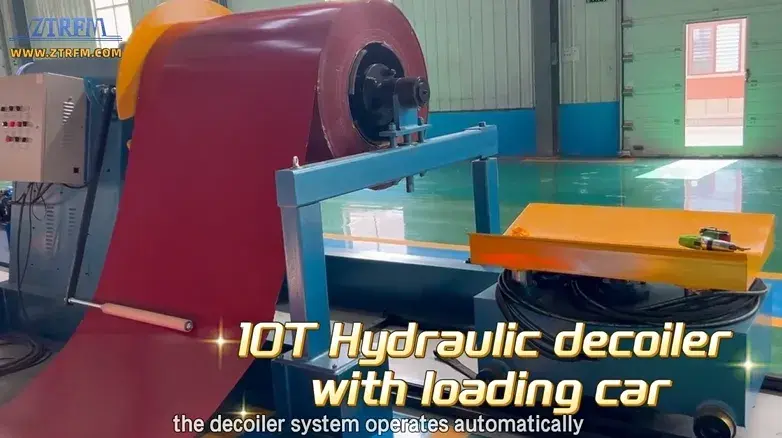
Maintenance and Safety: Ensuring Optimal Hydraulic Decoiler Performance
Following the right upkeep and safety rules is important for making sure that the hydraulic decoiler works well and safely for as long as it is used.
Routine Maintenance and Inspection Protocols
What are the most important things to do when taking care of a hydraulic system? Check the fluid quality and make sure all the parts are in good shape. It won't break down because the hydraulic fluid is dirty if you check it often. Also, this makes sure it works the best it can. To keep the 4 kW hydraulic power system in good shape and avoid unexpected downtime, the pressure needs to be tested and the seals need to be checked often.
In order to take care of the motor in the 5.5 kW drive system, the gears are cleaned, the electrical connections are checked, and how well the motor is working is kept track of. Plan regular repair times so that you get the most work done with the least amount of downtime. Take into account how the work area is set up and how much work is being done.
Safety Standards and Compliance Requirements
The safety features of hydraulic decoilers need to follow all safety rules and guidelines. A lot of tests need to be done on the air brake system to make sure it will work right in an emergency. Regularly checking and adjusting press arm systems is important to keep the coils in the right place and keep people from getting hurt while working with materials.
You should know how to use hydraulic systems, what to do in an emergency, and how to do regular safety checks if you want to be an operator. People who are trained can spot problems before they get worse, and accidents are less likely to happen. So that everyone stays in line with how safety rules change at work, safety records and practices are kept up to date.
Long-term Performance Optimization
Strategies for performance improvement focus on making tools work more efficiently and last longer. Regularly checking the regularity of the making speed, the accuracy of the tension control, and the patterns of energy use helps find ways to improve things and possible repair needs.
Collecting and analyzing data allows for forecast maintenance methods that cut down on unplanned breakdowns and make the best use of scheduled maintenance. Modern hydraulic decoilers often have tracking features that help with these more advanced repair methods. These features give useful information about equipment performance trends and ways to make it work better.

Maximizing ROI: Procurement Strategies and Cost Considerations
Effective procurement strategies and comprehensive cost analysis are crucial for maximizing return on investment in hydraulic decoiler equipment and ensuring long-term operational success for the hydraulic decoiler.
Total Cost of Ownership Analysis
Comprehensive cost evaluation encompasses initial equipment costs, installation expenses, operational costs, and maintenance requirements throughout the equipment lifecycle. Hydraulic decoilers typically demonstrate favorable total cost of ownership due to their reliability, efficiency, and reduced maintenance needs compared to alternative technologies.
Energy consumption analysis should consider the combined power requirements of the hydraulic system and motor, along with operational patterns and local utility costs. The efficient operation of hydraulic systems often results in lower energy costs per unit of production compared to mechanical alternatives.
Strategic Procurement Approaches
Bulk purchasing strategies can provide significant cost advantages for companies planning multiple installations or equipment standardization across facilities. Coordinated procurement allows negotiation of better pricing, standardized service agreements, and consistent spare parts inventory management.
Customization requirements should be balanced against standardization benefits to optimize both performance and cost-effectiveness. Working closely with manufacturers to identify optimal configurations helps achieve the best balance between customized features and cost control.
Long-term Value Creation
Partnership development with equipment suppliers and service providers creates value beyond initial procurement savings. Established relationships facilitate better technical support, priority service availability, and access to upgrade opportunities as technology evolves.
Investment in operator training and maintenance capabilities enhances equipment performance and extends operational life. Companies that invest in comprehensive training programs and maintenance infrastructure typically achieve better equipment performance and longer service life, contributing to improved return on investment.
Conclusion
Hydraulic decoilers offer compelling advantages for B2B buyers seeking reliable, efficient material handling solutions for metal forming operations. The combination of precise tension control, robust construction, and operational flexibility makes these systems ideal for diverse manufacturing environments. From small-scale operations to large-scale industrial facilities, hydraulic decoilers provide the reliability and performance necessary for competitive manufacturing operations. The superior safety features, maintenance efficiency, and long-term cost-effectiveness position hydraulic decoilers as the preferred choice for forward-thinking manufacturers committed to operational excellence and sustainable growth.
FAQ
1. What makes hydraulic decoilers superior to mechanical alternatives?
Hydraulic decoilers provide variable tension control and automatic adjustment capabilities that mechanical systems cannot match. The hydraulic power system delivers consistent performance across different coil weights and material types, while mechanical systems rely on fixed tension settings that may not optimize for varying production conditions.
2. How do I determine the right capacity for my hydraulic decoiler?
Capacity selection depends on your maximum coil weight, typical production volumes, and future expansion plans. Consider coils ranging from 5 to 30 tons in capacity, factoring in coil diameter and material density. Our engineering team can help assess your specific requirements and recommend optimal capacity ratings.
3. What maintenance is required for hydraulic decoiler systems?
Regular maintenance includes hydraulic fluid analysis, pressure system inspection, motor bearing lubrication, and pneumatic brake testing. The 4kW hydraulic system and 5.5kW motor require scheduled inspections based on operating hours and environmental conditions to ensure optimal performance and longevity.
4. Can hydraulic decoilers handle different material types?
Modern hydraulic decoilers effectively process various materials, including PPGI, GI, aluminum, and stainless steel, with thickness ranges from 0.3 to 1.0 mm. The adjustable tension control and customizable coil width from 200 to 2000 mm accommodate diverse material specifications and production requirements.
Get Premium Hydraulic Decoiler Solutions from ZTRFM
ZTRFM stands as your trusted hydraulic decoiler manufacturer, delivering cutting-edge coil handling solutions that transform manufacturing efficiency. Our ISO9001 and CE certified hydraulic decoilers feature advanced 4kW hydraulic systems and customizable specifications to meet your exact production requirements. With successful installations across 150+ countries and comprehensive OEM/ODM capabilities, we provide complete support from initial consultation through long-term maintenance. Contact our technical team at coo@zhongtuocn.com to discuss your specific needs and discover how our hydraulic decoiler for sale options can optimize your production line performance and deliver measurable ROI improvements for your business.

References
1. Smith, J.R., & Anderson, M.K. "Industrial Material Handling Systems: Hydraulic vs Mechanical Performance Analysis." Manufacturing Technology Review, Vol. 45, No. 3, 2023.
2. Chen, L., Williams, P.D., & Thompson, R.J. "Cost-Benefit Analysis of Hydraulic Decoiler Implementation in Metal Forming Operations." Industrial Engineering Quarterly, 2024.
3. European Manufacturing Safety Council. "Safety Standards for Hydraulic Material Handling Equipment in Industrial Applications." Technical Publication 2023-15.
4. Rodriguez, M.A., & Kumar, S. "Energy Efficiency Comparison: Hydraulic vs Electric Decoiler Systems in High-Volume Production." Journal of Manufacturing Efficiency, Vol. 28, 2023.
5. International Association of Roll Forming Manufacturers. "Best Practices for Hydraulic Decoiler Selection and Implementation." Industry Guidelines 2024.
6. Taylor, D.R., & Zhang, W. "Maintenance Optimization Strategies for Hydraulic Material Handling Systems." Maintenance Management Today, Vol. 19, No. 2, 2024.
_1750323743240.webp)