- English
- French
- German
- Portuguese
- Spanish
- Russian
- Japanese
- Korean
- Arabic
- Irish
- Greek
- Turkish
- Italian
- Danish
- Romanian
- Indonesian
- Czech
- Afrikaans
- Swedish
- Polish
- Basque
- Catalan
- Esperanto
- Hindi
- Lao
- Albanian
- Amharic
- Armenian
- Azerbaijani
- Belarusian
- Bengali
- Bosnian
- Bulgarian
- Cebuano
- Chichewa
- Corsican
- Croatian
- Dutch
- Estonian
- Filipino
- Finnish
- Frisian
- Galician
- Georgian
- Gujarati
- Haitian
- Hausa
- Hawaiian
- Hebrew
- Hmong
- Hungarian
- Icelandic
- Igbo
- Javanese
- Kannada
- Kazakh
- Khmer
- Kurdish
- Kyrgyz
- Latin
- Latvian
- Lithuanian
- Luxembou..
- Macedonian
- Malagasy
- Malay
- Malayalam
- Maltese
- Maori
- Marathi
- Mongolian
- Burmese
- Nepali
- Norwegian
- Pashto
- Persian
- Punjabi
- Serbian
- Sesotho
- Sinhala
- Slovak
- Slovenian
- Somali
- Samoan
- Scots Gaelic
- Shona
- Sindhi
- Sundanese
- Swahili
- Tajik
- Tamil
- Telugu
- Thai
- Ukrainian
- Urdu
- Uzbek
- Vietnamese
- Welsh
- Xhosa
- Yiddish
- Yoruba
- Zulu
2026 Best Corrugated Sheet Making Machine for Industrial Use
Finding the right corrugated sheet making machine for your business is a big spending choice that will affect how well you make things, how well they turn out, and how much money you make in the long run. To keep up with rising market needs in the building, HVAC, and automobile industries, modern factories all over the world depend on reliable corrugated sheet production equipment. The best machines use cutting-edge technology and are built to last. They give you exact control over how sheets are formed and keep the quality of the output uniform. These high-tech systems work with materials that are between 0.3 and 0.5 mm thick and use coated steel and steel that has already been painted as bases. Advanced hydraulic cutting systems and multi-station roller setups make sure that the quality of the result is always the same. Industrial-grade corrugated sheet machinery now has automatic features that make it so that operators don't have to do as much work, and production rates are increased. Investing in high-quality tools gives you a clear edge over your competitors through less waste, higher accuracy, and more reliable operations.
Why Focus on Corrugated Sheet Manufacturing Equipment?
In recent years, the production of industrial corrugated sheets has grown incredibly fast. This is due to growing building markets and infrastructure development projects around the world. For manufacturing sites to meet high-quality standards, they need special tools that can work with a wide range of materials. Modern corrugated sheet-making machine technology solves important production problems like reducing material waste, making precise shapes, and improving operating efficiency.
Corrugated sheets can be used in a lot of different fields, from roofs to making architectural parts look nice. Because they are appealing to a wide range of buyers, production equipment needs to be able to handle different thickness needs, material types, and body shapes. Manufacturers can make complicated shapes with consistent accuracy thanks to advanced roll-making technology.
When companies buy high-quality corrugated sheet machinery, it has a direct effect on their production ability. This lets them meet big orders and keep delivery dates. Combining hydraulic systems with digital controls cuts down on the amount of work that needs to be done by hand while also raising safety standards in the workplace.

Selection Criteria for Premium Corrugated Sheet Equipment
When choosing a corrugated sheet-making machine, it's important to look at a lot of different performance factors. The most important thing to think about is production ability, since equipment needs to be able to handle expected output amounts while still meeting quality standards. Material compatibility across a range of steel types and thicknesses allows for freedom in how things are used.
The design of the roller station has a big effect on the quality of the product and the accuracy of the shape. The equipment has 18 stations and is made of 45# steel that has been quenched. This gives it better sturdiness and steady performance. Specifications for shaft width, especially 80mm versions with tempered treatment, make activities at high speeds more stable.
Power needs and transportation systems affect how well operations run and how much they cost to maintain. When paired with a 5.5kw motor, a gearbox drive gives you the best mix between performance and energy use. Using a 350H steel-welded design to build the machine frame ensures that the structure will stay strong even when it is being used continuously.
With hydraulic cutting, you can precisely control the length of the sheet while wasting as little material as possible. Systems with 5.5kw hydraulic power cut reliably through a wide range of materials. The capacity of the decoiler, especially in 5T hydraulic configurations, can handle normal material coils and also offers manual choices for specific uses.
Top Corrugated Sheet Making Machines for 2026
ZTRFM Advanced Corrugated Sheet Production Line
It is ZTRFM's most advanced corrugated sheet-making machine, made for high-volume commercial use. This complete system works with coated steel and pre-painted steel materials that are between 0.3 and 0.5 mm thick, making it very flexible for a wide range of production needs.
The machine has an 18-station roller layout and is made of quality 45# steel that has been cooled specially. This advanced metalworking technique guarantees a longer useful life while keeping exact measurements even during long production runs. The hardened 45# steel used to make the 80mm diameter shaft makes it more stable during high-speed activities.
Power is reliably transferred by gearbox transmission devices, which also require little upkeep. The 5.5kw motor configuration strikes a balance between performance needs and energy efficiency concerns, which supports environmentally friendly production methods. The building of the machine frame uses a 350H steel welded design, which makes sure that the structure stays strong even when it's under constant operating stress.
Hydraulic cutting technology lets you precisely control the length of a sheet while wasting as little material as possible. The 5.5kw hydraulic power system cuts through a wide range of materials with reliable results. The built-in 5T hydraulic decoiler can handle normal material coils and also has human configuration options for specific uses.
Advanced control systems make it easier to train operators and make the setup simpler. Automated functions reduce the need for human input, which improves the regularity of output and the safety of the workplace. Customization choices meet unique production needs and support a wide range of market applications, from roofing systems to architectural parts.

High-Efficiency Multi-Profile Corrugated Line
This flexible method for making folded sheets can handle different profile shapes on a single piece of equipment. Advanced switching features make it easy to quickly switch between different curved patterns, giving you the most production options with the least amount of downtime.
The system has roller units that were carefully designed to make profiles consistently, even when the materials being used are different. Automated tension control systems make sure that the right amount of material is handled at all times during the manufacturing process. This stops surface flaws and changes in size.
Integrated quality tracking tools give real-time feedback on the quality of the surface finish and the accuracy of the dimensions. These high-tech features let you make changes to the process right away, which keeps product standards uniform and cuts down on waste.
Power transfer systems use cutting-edge gear reduction technology to keep speeds precisely controlled across all operating ranges. Variable speeds can handle different kinds of materials and thickness requirements while still maximizing output rates.
The modular form of the equipment makes it easier to do upkeep and allows for future capacity increases. Standardized components cut down on the number of extra parts that need to be kept on hand and make the technical support process easier.
Compact Industrial Corrugated Sheet Former
This corrugated sheet making machine's professional-level performance fits into a small room, making it perfect for medium-sized manufacturing operations. Standard material requirements can be met by the system, which also has important automation features for uniform output quality.
The design of a roller station focuses on precision and longevity, using hardened steel for all the important shaping parts. The small footprint makes it possible to put in current building layouts without making major changes to the infrastructure.
Hydraulic systems are effective for cutting things and meet standards for energy economy. Integrated safety features keep workers safe and make sure that safety rules are followed. Controls that are easy to use make it easier to train operators and make settings simpler.
Material handling systems can handle coils of different sizes and weights, which helps with a wide range of production schedule needs. Automated functions cut down on the amount of work that needs to be done by hand while keeping the quality of the output constant over long production periods.

Global Market Analysis and Regional Considerations
There are big differences between regions in the international market for making corrugated sheets when it comes to business needs, government rules, and preferred technologies. Because of the cost of labor and rules about the environment, North American markets put a lot of emphasis on technology and saving energy. European makers put a high value on precise engineering and quality certifications, which shows that they have high standards for building.
Asian markets are based on production ability and flexibility, which helps infrastructure projects move quickly. Material requirements change a lot from place to place, so equipment needs to be able to work with a wide range of steel types and coating systems. Certification rules, such as ISO9001, CE marking, and area safety standards, affect the choice of tools.
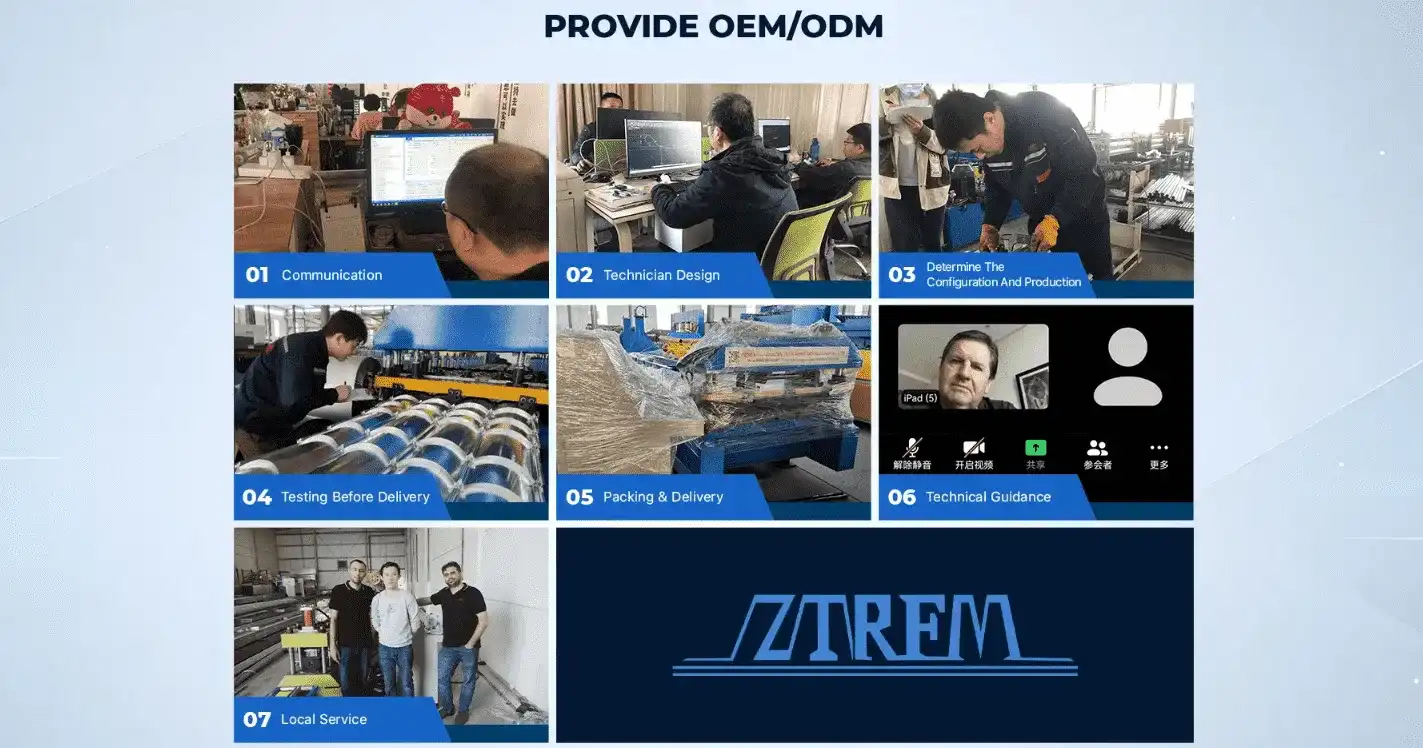
Supply chain issues affect the supply of spare parts and expert support services. With locations in more than 150 countries, global manufacturers like ZTRFM are an important part of foreign business. Local service options lower the risk of downtime and make sure that expert help is available quickly.
Changes in the value of the dollar and trade rules affect the prices and arrival times of goods. Long-term relationships with well-known makers offer security in times of market change and guarantee consistent technical support.
Purchasing Recommendations and Implementation Considerations
Before buying equipment, you need to do a full analysis of your current production needs and your predictions for future growth. An evaluation of the building's infrastructure makes sure that it works with the needed power, available room, and material handling systems. When planning an installation, you should include training programs for operators and ways to schedule upkeep.
Leasing and other financing choices may help your cash flow while giving you access to cutting-edge technology. Warranty coverage and service agreements keep your investment valuable and make sure that your business keeps running. Important selection factors include the ability to provide technical help, especially for sites that are located in different countries.
Material supply chain issues affect the uniformity of production and the control of costs. Building relationships with dependable steel providers guarantees uniform quality of raw materials and improves inventory management. Quality control methods should look at both the specifications for raw materials and the specifications for produced goods.
Integration of production planning allows for the best use of tools while still meeting delivery deadlines. Planning for maintenance avoids unplanned downtime and increases the useful life of tools. Performance tracking tools give organizations data-driven insights that can be used to make improvements all the time.
Industry Trends and Future Outlook
The technology used in a corrugated sheet-making machine keeps getting better at automating tasks, making them more precise, and using less energy. Integration of Industry 4.0 allows for remote tracking, planned repair, and methods for improving performance based on data. Sustainability efforts push the creation of systems that use less energy and tools that cut down on waste. For advanced coating and materials, you need tools that can adapt to changing requirements while still keeping production running smoothly.

Conclusion
To choose the best corrugated sheet making machine for 2026, you need to carefully think about your long-term business goals, output needs, and quality standards. Modern machinery with strong building, precise engineering, and robotic features gives businesses a competitive edge by making them more efficient and ensuring consistent product quality. Buying high-quality equipment from well-known brands guarantees steady performance and helps the business reach its growth goals. As the market changes, it needs flexible tools that can handle a wide range of material specifications and output needs. This means that careful review is necessary for a successful implementation.
FAQ
Q1: What factors determine corrugated sheet-making machine pricing?
Equipment pricing reflects multiple factors, including production capacity, automation level, and material construction quality. Advanced features such as automatic changeover systems, precision control technology, and integrated quality monitoring increase initial investment costs. However, these features typically provide a rapid return through improved efficiency and reduced waste generation.
Manufacturing scale significantly impacts per-unit costs, with higher capacity systems offering better value for large-volume operations. Customization requirements and specialized features may increase pricing but provide essential capabilities for specific market applications.
Q2: How do I determine the optimal machine capacity for my operations?
Capacity planning requires analysis of current production volumes, projected growth rates, and market demand patterns. Consider peak production requirements rather than average volumes to prevent capacity constraints during high-demand periods. Material changeover frequency and product mix complexity influence optimal equipment configuration.
Future expansion possibilities should factor into capacity decisions, as upgrading existing equipment often proves more cost-effective than complete replacement. Consultation with experienced manufacturers provides valuable insights regarding capacity optimization strategies.
Q3: What maintenance requirements should I expect?
Regular maintenance schedules typically include daily lubrication checks, weekly alignment verifications, and monthly component inspections. Roller station maintenance represents the primary ongoing requirement, involving periodic replacement of wear components and precision adjustments.
Hydraulic system maintenance includes fluid changes, filter replacements, and pressure calibrations according to manufacturer specifications. Electrical components require periodic inspection and calibration to maintain optimal performance standards.
Partner with ZTRFM for Your Corrugated Sheet Production Needs
ZTRFM stands as a leading corrugated sheet-making machine manufacturer, delivering innovative solutions tailored to your specific production requirements. Our comprehensive equipment portfolio addresses diverse industrial applications while providing exceptional value through advanced technology integration. With ISO9001, CE, and CAS certifications, plus delivery experience across 150+ countries, we ensure reliable performance and global support capabilities. Contact our team at coo@zhongtuocn.com to discuss your corrugated sheet machinery requirements and discover how our customized solutions can enhance your manufacturing operations.
References
1. Industrial Manufacturing Equipment Standards and Specifications for Corrugated Sheet Production, International Association of Roll Forming Manufacturers, 2024.
2. Global Market Analysis: Corrugated Sheet Manufacturing Technology Trends and Regional Variations, Industrial Equipment Research Institute, 2024.
3. Advanced Roll Forming Technology: Engineering Principles and Industrial Applications for Metal Sheet Processing, Professional Engineering Publications, 2023.
4. Quality Control and Automation in Modern Corrugated Sheet Production Systems, Manufacturing Technology Review, 2024.
5. Comparative Analysis of Hydraulic Cutting Systems in Industrial Sheet Metal Forming Equipment, Mechanical Engineering Quarterly, 2023.
6. Economic Impact Assessment of Advanced Roll Forming Technology in Global Construction Materials Manufacturing, Industrial Economics Research Foundation, 2024.
_1750323743240.webp)