- English
- French
- German
- Portuguese
- Spanish
- Russian
- Japanese
- Korean
- Arabic
- Irish
- Greek
- Turkish
- Italian
- Danish
- Romanian
- Indonesian
- Czech
- Afrikaans
- Swedish
- Polish
- Basque
- Catalan
- Esperanto
- Hindi
- Lao
- Albanian
- Amharic
- Armenian
- Azerbaijani
- Belarusian
- Bengali
- Bosnian
- Bulgarian
- Cebuano
- Chichewa
- Corsican
- Croatian
- Dutch
- Estonian
- Filipino
- Finnish
- Frisian
- Galician
- Georgian
- Gujarati
- Haitian
- Hausa
- Hawaiian
- Hebrew
- Hmong
- Hungarian
- Icelandic
- Igbo
- Javanese
- Kannada
- Kazakh
- Khmer
- Kurdish
- Kyrgyz
- Latin
- Latvian
- Lithuanian
- Luxembou..
- Macedonian
- Malagasy
- Malay
- Malayalam
- Maltese
- Maori
- Marathi
- Mongolian
- Burmese
- Nepali
- Norwegian
- Pashto
- Persian
- Punjabi
- Serbian
- Sesotho
- Sinhala
- Slovak
- Slovenian
- Somali
- Samoan
- Scots Gaelic
- Shona
- Sindhi
- Sundanese
- Swahili
- Tajik
- Tamil
- Telugu
- Thai
- Ukrainian
- Urdu
- Uzbek
- Vietnamese
- Welsh
- Xhosa
- Yiddish
- Yoruba
- Zulu
Affordable Standing Seam Rolling Machine Prices: How to Get the Best Deal
To find cheap standing seam rolling machine prices that still meet quality standards, you need to carefully study the market and plan your purchases in a smart way. These days, making metal roofs requires precise tools that always give the same results without breaking the bank. Smart buyers know that to get the best deal, they need to look at more than just the initial purchase price. They need to think about things like how much the product produces, how much upkeep it needs, and how reliable it will be in the long term to get the best return on their investment.
Understanding the Market for Standing Seam Rolling Machines
The market for standing seam rolling machines has changed a lot over the years, and now there are many options for different production sizes and needs. Specialized metal forming tools like these are used by roofing companies, building companies, and metal production shops all over North America.
Equipment Types and Application Scope
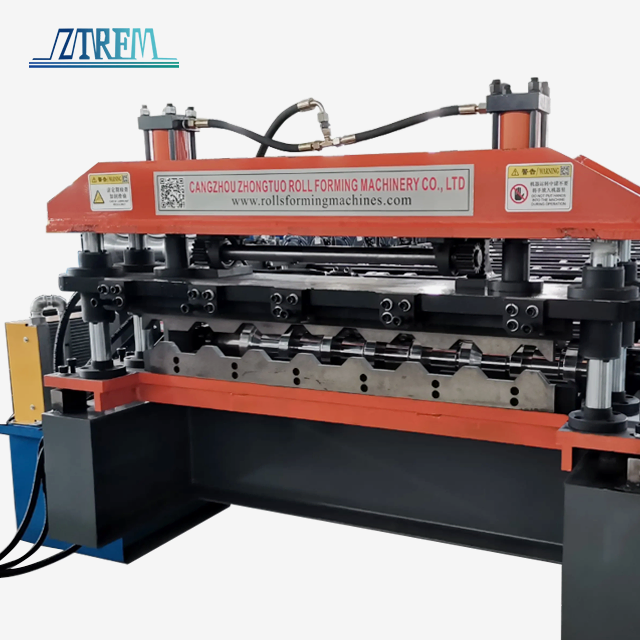
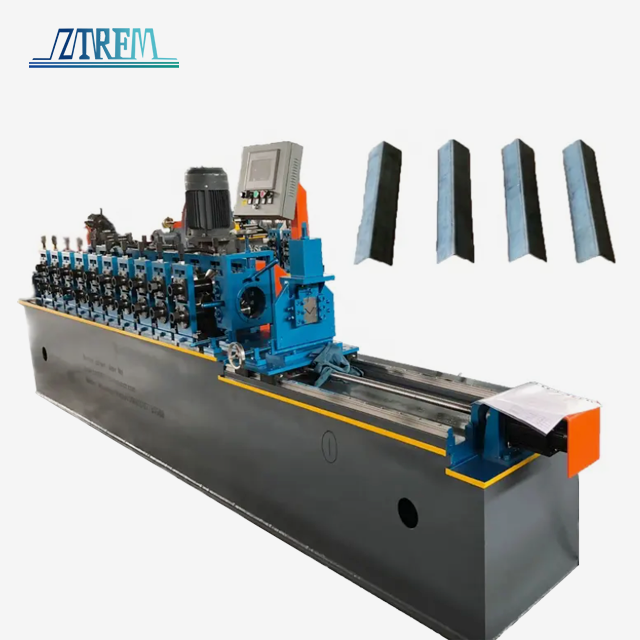
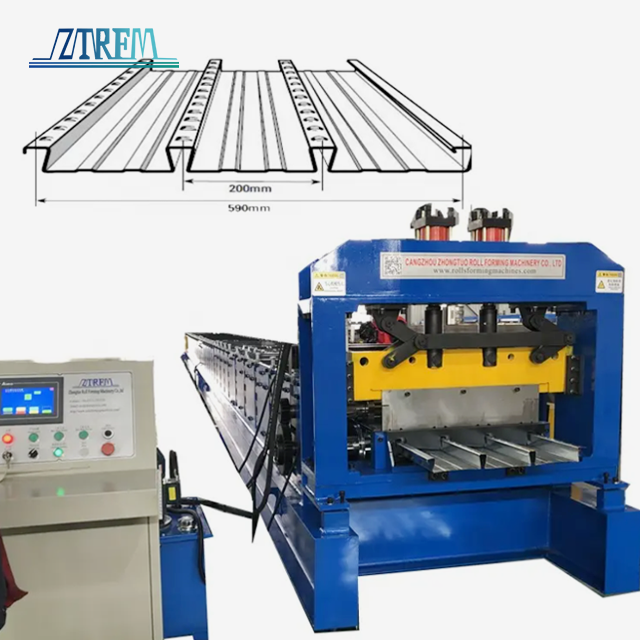
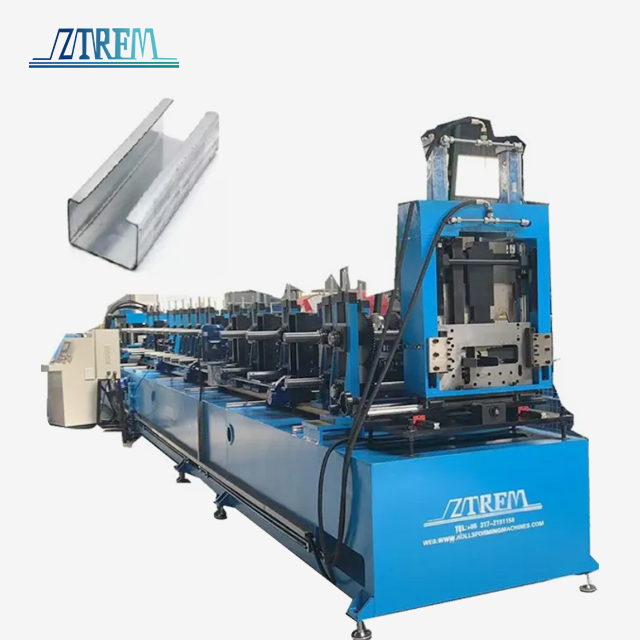
There are different types of standing seam roll forming tools to meet different industrial needs. Electric systems are better for medium-sized production rates, while manual tools work well for smaller businesses that don't need to make a lot of things every day. Heavy-duty industrial units are perfect for places that make a lot of things and need to keep running all the time. Each type of machine works well with different types of materials, including PPGI, stainless steel, and aluminum surfaces that are between 0.3mm and 0.8mm thick.
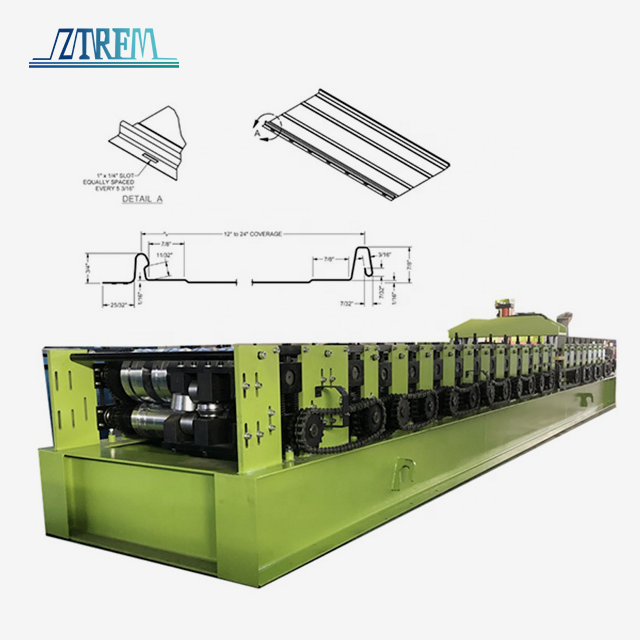
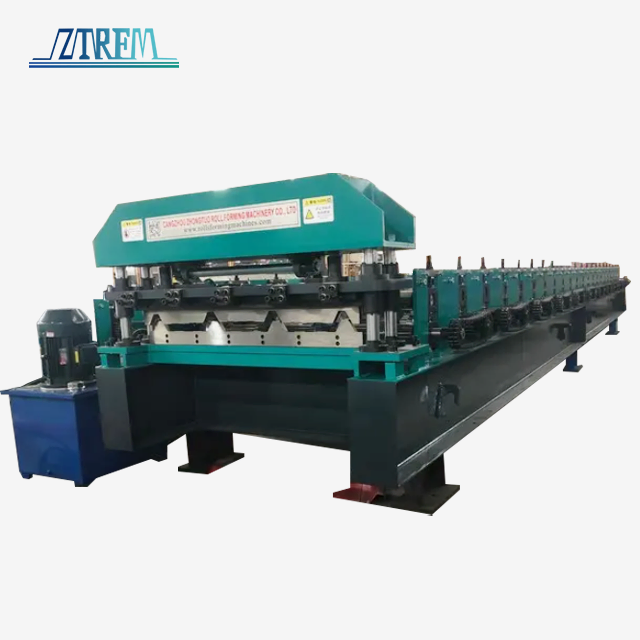
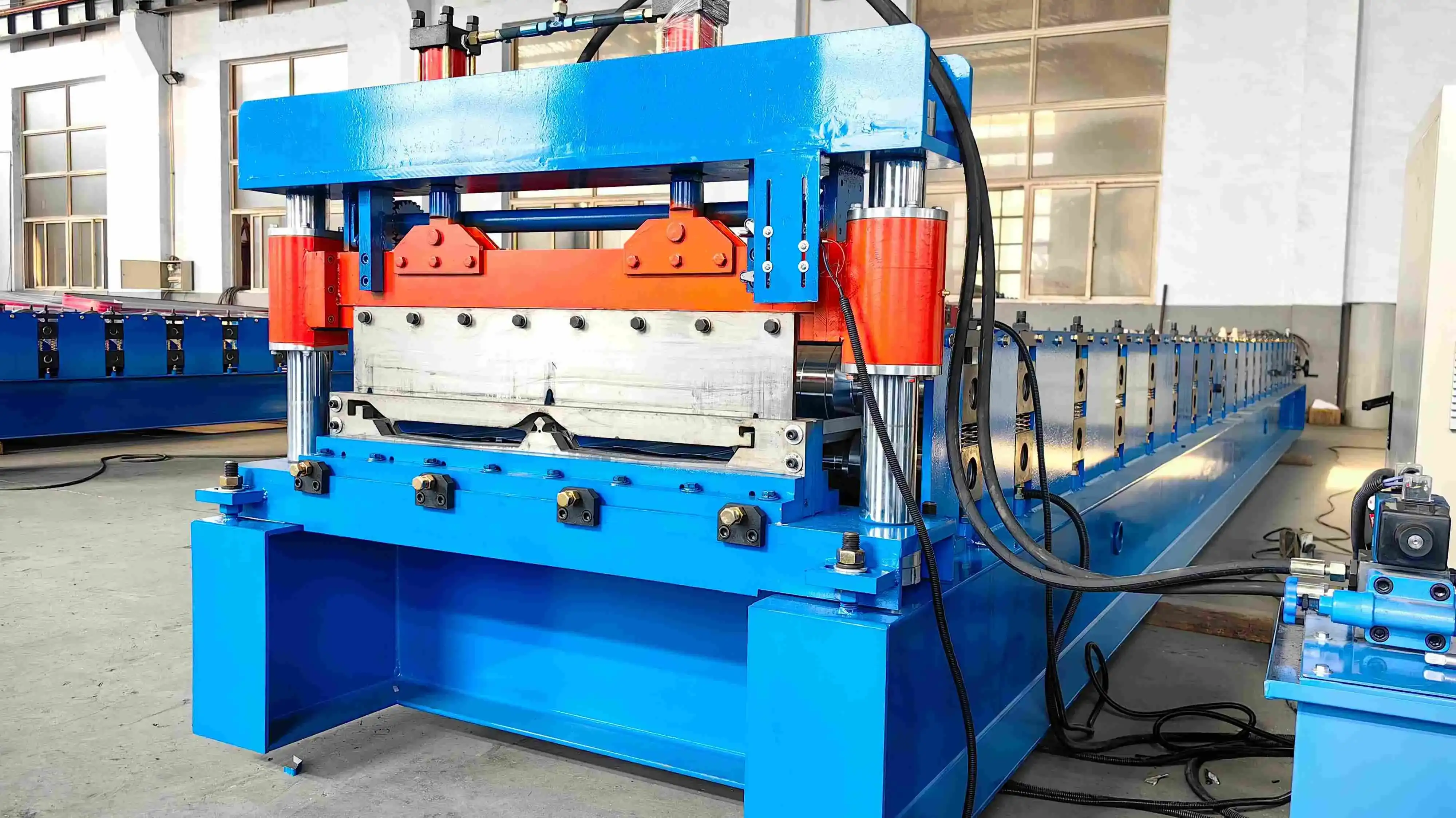
Modern roll forming uses advanced control systems to make sure that the profiles are always the same and that the forming speeds stay the same. The newest types can make 10 to 15 meters per minute, which is a good balance between throughput speed and quality control. Small forms (about 2300x1500x1600mm) make the best use of floor space while still providing professional-level performance.
Key Price Influencers in Today's Market
The prices of standing seam tools in the current market are based on a number of important factors. The cost of a machine is directly related to how complicated its design is. For example, hydraulic systems need more money to be invested than simple mechanical units. Power needs, which usually involve 3kw motor systems and 3kw hydraulic parts, affect both the cost of buying and running the equipment.
When setting prices, a brand's image is very important, because well-known makers can charge higher prices because their products are reliable. Safety features, how easy it is to do maintenance, the amount of automation, and whether it includes a standing seam rolling machine all play a big role in how much the equipment costs altogether. Certification standards, such as ISO9001 and CE compliance, add value and make sure that rules are followed for foreign deployment.

How to Choose the Most Affordable and Suitable Standing Seam Rolling Machine?
To choose the best roll-making tools, you need to carefully compare the needs of your project with the options on the market. When making procurement choices, smart people think about both short-term cost worries and long-term goals for business efficiency.
Defining Project-Specific Requirements
Assessment of the production scale is the basis of good machine selection methods. High-speed automatic systems work best in places that handle a lot of work, while flexible manual units work best for smaller companies that want to save money. The required forming skills are based on the material matching standards, especially when it comes to substrate types and thickness ranges.
Mobility issues affect the choice of tools for workers who are in charge of more than one job site. Even though they might cost more per unit, portable units give you more options. Workspace limits affect the size of the machine's area, which makes compact designs useful for places that don't have a lot of room.
Core Evaluation Metrics for Equipment Benchmarking
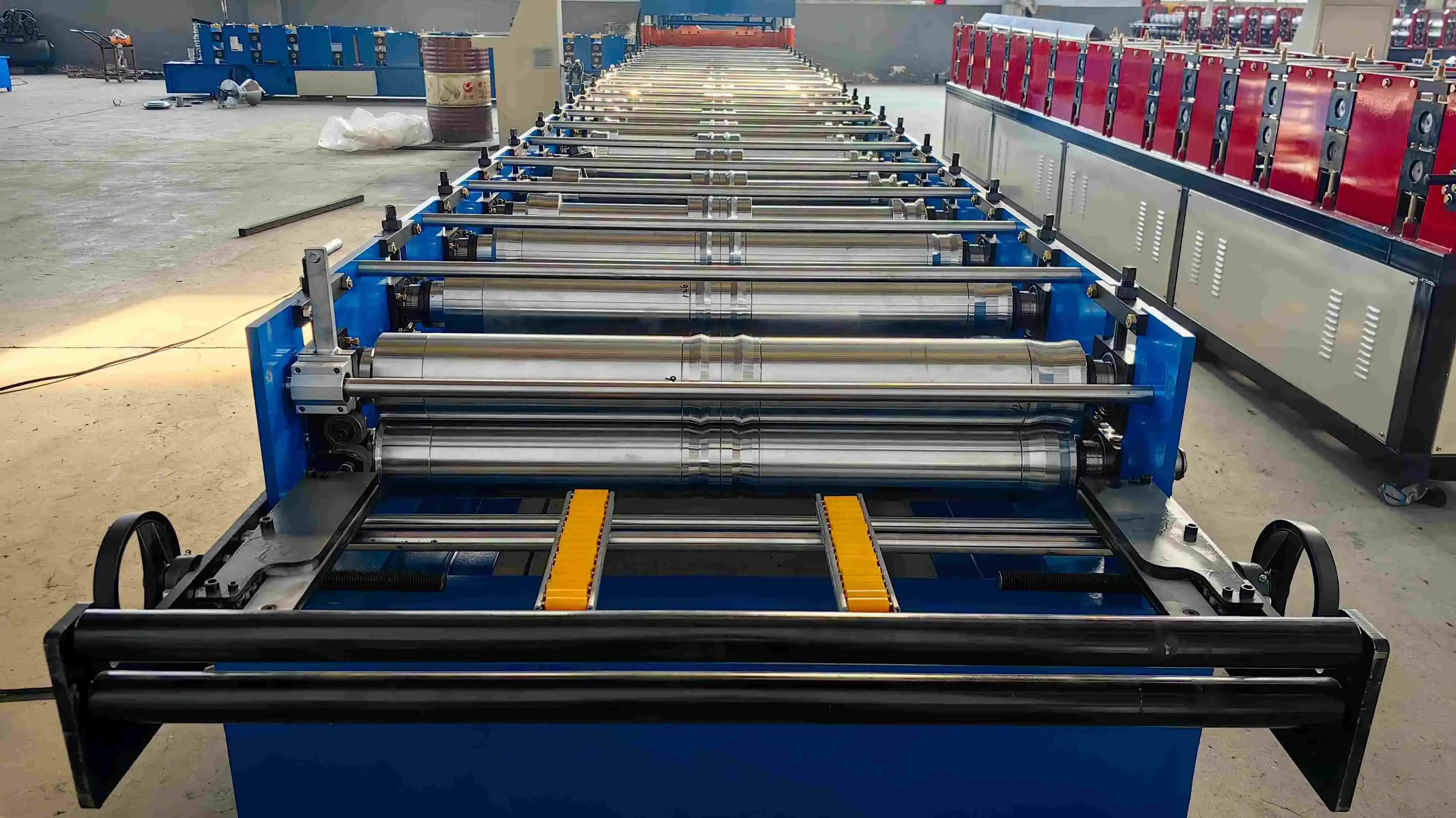
To test for durability, you have to look at things like the quality of the frame's build, the specs of its parts, whether it includes a standing seam rolling machine, and how long the frame is expected to last under normal use. Accessibility for maintenance has a direct effect on long-term running costs by reducing downtime and making repair processes easier. Machines that are well-designed have lubrication points that are easy to reach and modular parts that make regular maintenance tasks easier.
Operational efficiency includes things like how fast the machine can make, how much waste it can reduce, and how much energy it uses. Versatile machines can handle a variety of profile designs without requiring major setup changes. This means that they can be used to their full potential on a wide range of projects. Quality control features make sure that output meets uniform standards and reduce the cost of redoing work.
Buying Strategies to Secure the Best Deals on Standing Seam Rolling Machines
To be good at buying, you need to know about common price problems and use tried-and-true methods to get around market problems that cause equipment costs to go up for no reason.
Identifying Common Pricing Pitfalls
When people buy tools, especially when they need shipping, installation, or launching services, hidden costs often show up. There are risks with currency exchange, customs taxes, and paperwork fees that come up when you buy something internationally. These all affect the total amount of money you need to spend. Not making the specifications clear enough can cause changes that cost a lot of money or performance results that aren't good enough.
There is a wide range of supplier transparency in the market, with some sellers hiding what their real skills or maintenance needs are, or whether they offer a standing seam rolling machine. Quotes that aren't full leave out important extras like training programs, guarantee extensions, or accessories that you will need to buy later. When people make hasty choices about what to buy, they often choose tools that aren't the best fit for the job.
Smart-Buying Principles for Cost Optimization
When you evaluate a provider thoroughly, you should look at their technical skills, financial health, and service support infrastructure. Reputable makers give clear pricing systems, performance promises, and full specs that make it easy to compare prices. Requesting full quotes that include delivery, installation, training, and first-aid items helps you make a realistic budget plan.
Comparing prices from several vendors shows how prices change in the market and helps find great deals. When you coordinate the purchases of equipment across multiple sites or project stages, you can save money by buying in bulk. Strategic timing lets you take advantage of sales during certain times of the year, clearance sales at the end of the year, or maker bonus programs that make buying things a lot cheaper.
Maintaining Affordability Through Proper Usage and Maintenance
Total ownership costs are directly affected by how well maintenance programs work by increasing the life of equipment and lowering the number of unexpected repair costs that throw off production plans.
Essential Upkeep Routines for Cost Control
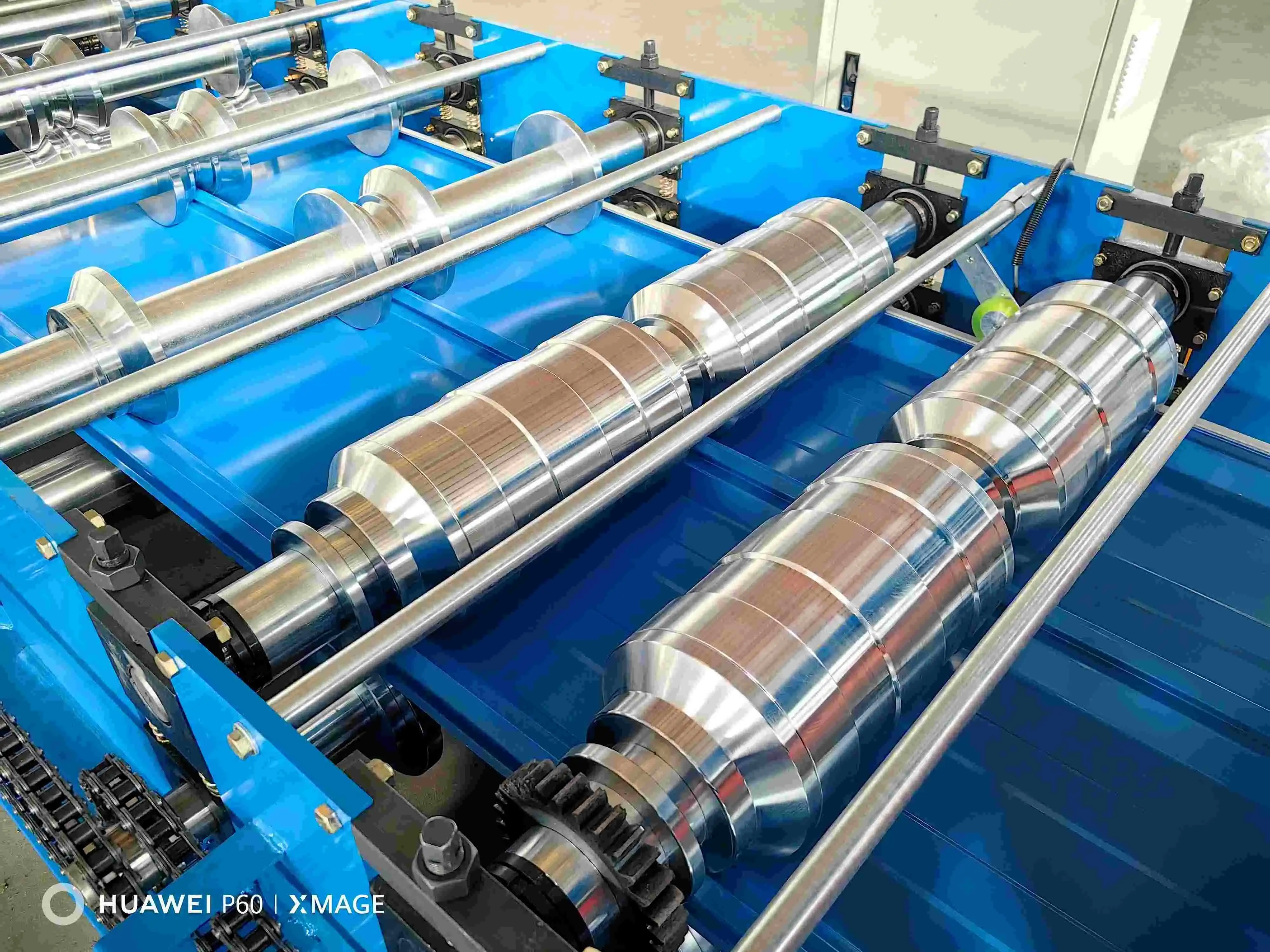
Regular inspections find possible problems before they become expensive failures that need a lot of repairs or part replacements. Lubrication routines keep things running smoothly and stop premature wear that lowers the accuracy of the making. Regular maintenance tasks include checking the amount of hydraulic fluid, the integrity of electrical connections, and the functioning of the safety system.
Planning to replace a part takes into account how it will normally wear out, whether it involves a standing seam rolling machine, and plans the replacement part to happen during handy maintenance times. Keeping enough extra parts on hand can help you avoid long periods of downtime when important parts need to be replaced. Misuse events that cause needless damage or faster wear patterns are less likely to happen when operators are properly trained.
Troubleshooting Common Rolling and Alignment Issues
Profile accuracy issues are usually caused by feeding the material incorrectly or having worn-out rollers that need to be fixed or replaced. Problems with alignment show up as seams that don't form evenly or differences in size that make the work less good. Regular testing methods keep the accuracy of the forming process and find problems with adjustments before they affect the quality of the result.
Safety system maintenance keeps both people using the equipment and the equipment itself from getting damaged by mistakes or issues with moving materials. To make sure they work properly, emergency stop features, overload protection circuits, and safety interlocks need to be tested on a regular basis. When you do regular maintenance, you avoid legal risks and the repair costs that come with safety-related accidents.
Trusted Brands, Suppliers, and Warranty Considerations
Picking dependable equipment sellers has a big effect on the long-term success of a business through product quality, service support, and guarantee protection that protects purchases.
Leading Manufacturers and Market Presence
Established makers show stable quality standards by being ISO9001 certified and having a large presence in many markets around the world. Companies that have a history of success in roll-making technology can offer reliable equipment that has been used in a wide range of situations for many years. Global service networks offer local support services that keep downtime to a minimum during repairs or maintenance.
Cangzhou Zhongtuo is a great example of modern manufacturing because it has a lot of experience with foreign markets and can create products for more than 150 countries. The company has been around since 2014 and specializes in cold roll making technology, including standing seam rolling machines. It is also a national high-tech business. Because they can do OEM and ODM, they can make products that are specific to the needs of a business.
Warranty Programs and After-Sales Service Value
A full warranty guards against problems with the way the product was made and makes sure that you can get real replacement parts during the service time. With expert advice and the ability to do diagnostics remotely, responsive technical help cuts down on the time it takes to fix problems. Training programs make operators more skilled and cut down on cases of misuse that cancel warranties.
Service accessibility affects long-term running costs by cutting down on the time technicians have to drive and the time it takes to send parts. Response times are faster at local service centers than at help sites that are far away. Flexible credit choices let you match payment schedules to your cash flow needs while still keeping your current capital available for business needs.
Conclusion
To get reasonable prices on standing seam rolling machines, you need to know a lot about the market, plan your purchases strategically, and carefully evaluate suppliers. Smart buyers look at the total cost of ownership instead of just the purchase price. They think about things like how much it costs to run, how much it costs to maintain, and how reliable it is in the long term. Maintenance programs that work well keep tools in good shape and keep fix costs that aren't planned for from going over budget. If you choose sellers with a good reputation and a history of getting things done, you can be sure that you will get good equipment that is backed by a full guarantee and quick service.
FAQ
Q1: What factors have the most impact on the price of a standing seam rolling machine?
The main factors that affect prices are the complexity of the machine setup, the amount of power needed, the name of the brand, and the certification standards. Costs go up with hydraulic systems, automatic features, and safety tools, but they help with operations. The prices of different types of tools are also affected by the standards for material compatibility and the speed at which they can be made.
Q2: How do manual machines and electric machines stack up for medium-sized manufacturing businesses?
Electric machines are faster and more consistent for medium-sized businesses that handle regular amounts, while manual machines are cheaper for smaller businesses that only need to do a few things every day. Electric systems can usually produce 10 to 15 meters per minute, while human systems can only do that at slower speeds. Because they use more power and are harder to maintain, manual machines are better for occasional use.
Q3: What kind of warranty support can buyers expect from makers they can trust?
Standard guarantee plans usually cover problems with the way the product was made for 12 to 24 months, but they don't cover wear parts or damage caused by the user. Full coverage includes access to expert help, guarantees that parts will be available, and service documentation. Options for longer warranties give extra security to important work equipment that needs to be up and running all the time.
Get in touch with ZTRFM for affordable solutions for standing seam rolling machines.
ZTRFM offers great value by using tried-and-true roll-forming technology and supporting it with full service and reasonable prices. Our ISO9001-certified manufacturing processes make sure that quality standards are always met while keeping output methods that are low-cost. We've worked with customers in more than 150 countries, so we know how to meet a wide range of operating needs and offer custom solutions that get the best return on investment. Get in touch with our team at coo@zhongtuocn.com to talk about your needs for a standing seam rolling machine source and find out how our knowledge can help you make more metal roofing through smart equipment partnerships.

References
1. Johnson, R. M. "Metal Roofing Equipment Market Analysis and Cost Optimization Strategies." Industrial Manufacturing Review, 2024.
2. Thompson, A. L. "Roll Forming Technology: Equipment Selection and Procurement Best Practices." Metalworking Industry Journal, 2023.
4. Davis, K. P. "Standing Seam Production Efficiency: Equipment Performance Benchmarks and Cost Analysis." Construction Equipment Quarterly, 2024.
4. Martinez, S. J. "Global Roll Forming Machine Market Trends and Pricing Strategies." International Manufacturing Today, 2023.
5. Wilson, C. R. "Maintenance Cost Optimization for Metal Forming Equipment in Industrial Applications." Plant Operations Management, 2024.
6. Brown, T. H. "Procurement Strategies for Metal Roofing Manufacturing Equipment: A Comprehensive Guide." Industrial Procurement Professional, 2023.