- English
- French
- German
- Portuguese
- Spanish
- Russian
- Japanese
- Korean
- Arabic
- Irish
- Greek
- Turkish
- Italian
- Danish
- Romanian
- Indonesian
- Czech
- Afrikaans
- Swedish
- Polish
- Basque
- Catalan
- Esperanto
- Hindi
- Lao
- Albanian
- Amharic
- Armenian
- Azerbaijani
- Belarusian
- Bengali
- Bosnian
- Bulgarian
- Cebuano
- Chichewa
- Corsican
- Croatian
- Dutch
- Estonian
- Filipino
- Finnish
- Frisian
- Galician
- Georgian
- Gujarati
- Haitian
- Hausa
- Hawaiian
- Hebrew
- Hmong
- Hungarian
- Icelandic
- Igbo
- Javanese
- Kannada
- Kazakh
- Khmer
- Kurdish
- Kyrgyz
- Latin
- Latvian
- Lithuanian
- Luxembou..
- Macedonian
- Malagasy
- Malay
- Malayalam
- Maltese
- Maori
- Marathi
- Mongolian
- Burmese
- Nepali
- Norwegian
- Pashto
- Persian
- Punjabi
- Serbian
- Sesotho
- Sinhala
- Slovak
- Slovenian
- Somali
- Samoan
- Scots Gaelic
- Shona
- Sindhi
- Sundanese
- Swahili
- Tajik
- Tamil
- Telugu
- Thai
- Ukrainian
- Urdu
- Uzbek
- Vietnamese
- Welsh
- Xhosa
- Yiddish
- Yoruba
- Zulu
6 Essential Tips for Maximizing Efficiency with a Sigma M Purlin Machine
It takes more than just hitting the start button to get the most out of a Sigma M purlin machine. To do this, you need to know what the equipment can do, make sure it is maintained consistently, train operators well, choose the right model for your production scale, and keep strict safety standards. Specialized roll forming tools take steel strips and carefully shape them into Sigma and M-shaped profiles that are needed for pre-engineered buildings and shelving systems. When used properly, they give makers accurate measurements to within ±0.5mm and forming speeds of up to 15m/min, which helps them cut down on waste while still meeting strict structural requirements. This book gives procurement managers, plant supervisors, and makers of light steel structures methods they can use right away to increase productivity and make tools last longer.

Understanding Your Sigma M Purlin Machine for Optimal Use
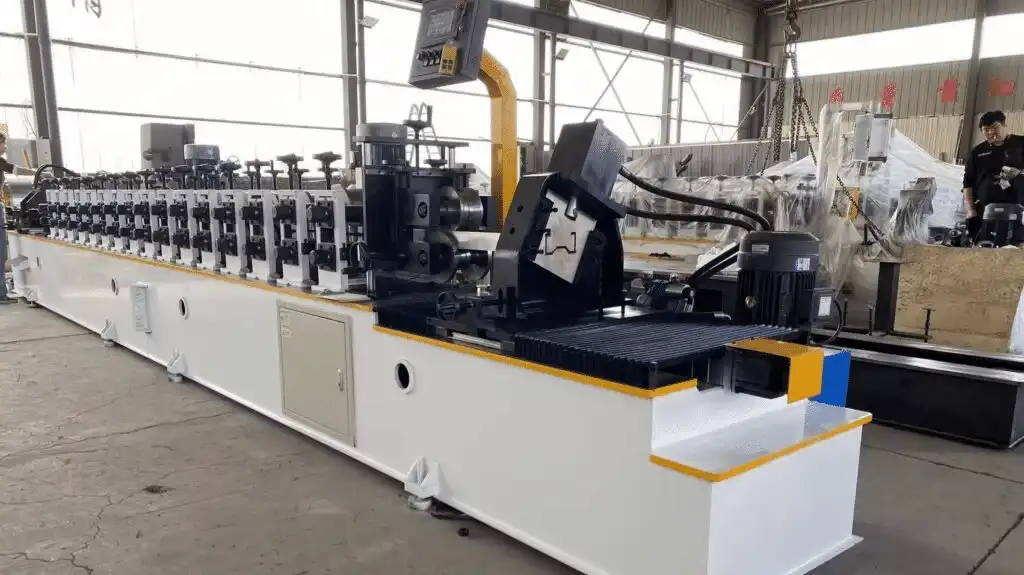
Understanding how your technology works and what it can do is the first step to operational success. Modern Sigma M purlin machine making equipment is a high-tech piece of engineering designed to make web-stiffened steel sections that can handle twisting forces better than regular channel shapes.
Core Components and Technical Architecture
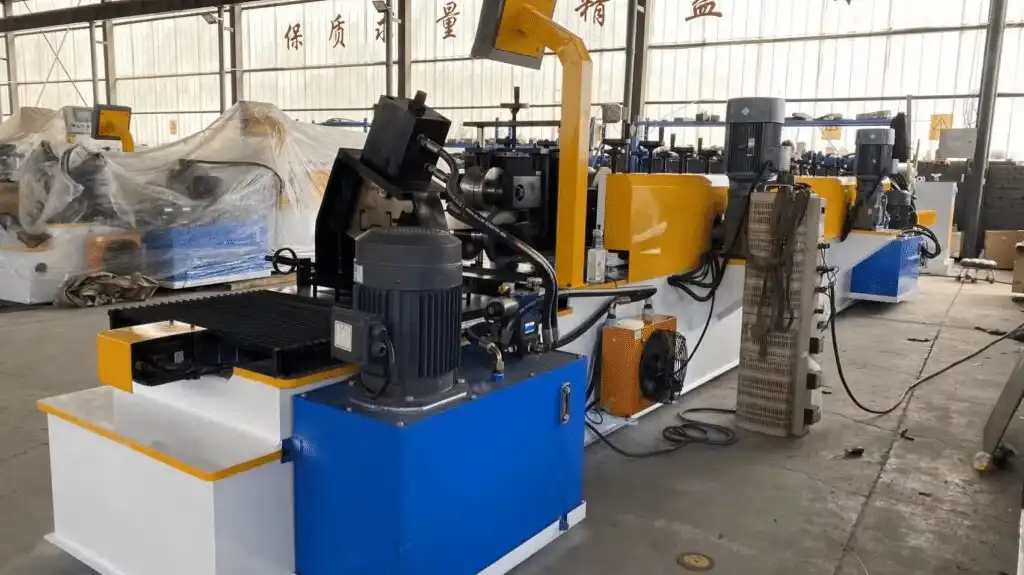
The main part of the machine is made up of 20 to 25 forming stations with GCr12MoV mold steel wheels that have been heat-treated to HRC 58 to 62. This makes sure that the machine will last while handling high-tensile galvanized coils. The shaft system is made of Φ90 mm solid 40Cr steel that has been CNC-processed to reach HRC28–32 hardness levels. This is done by finishing turning and coating the steel. This strong construction stops movement during the cold-forming process, so the shape stays the same over long production runs. The shaft end support and double-row chain drive system work together to evenly distribute power, which lets material flow steadily through each forming station.
Performance Specifications That Drive Production
Knowing the basic specs of your machine can help you make better plans for arranging and planning materials. The system can form things at a top speed of 15 meters per minute, which makes it good for both large-scale production and custom projects that need to change sizes often. Power needs usually call for a 380V/60Hz/3-phase setup, but it can be changed to fit local electrical standards. Compared to gear-driven options, the dual-chain transmission method reduces vibration, which leads to tighter limits for size and less upkeep need. These specs have a direct effect on how much your building can handle and how consistently good the quality is.
Matching Machine Capabilities to Production Demands
Light steel structure makers of the Sigma M purlin machine do better when they match the features of their tools to the needs of the project. The machine is great at working with G450-G550 high-tensile steel types in widths from 1.5 mm to 3.0 mm, making profiles with the best load-to-weight ratios. The built-in hydraulic pre-punching system ensures precise hole placement, which is important for automatic warehouse systems where rack parts need to line up perfectly during assembly. Production managers can arrange jobs more efficiently and set quality standards that are reasonable and meet structural engineering standards, such as AISI specifications for cold-formed steel members, when they know about these capabilities.

Tip 1 – Regular Maintenance: Keeping Your Sigma M Purlin Machine Running Smoothly
Facilities that have equipment that is down all the time are different from those that have equipment that is up 95% of the time or more. Preventative maintenance makes machines last longer and stops production problems before they happen, which is bad for customers and hurts profits.
Establishing a Comprehensive Maintenance Schedule
Every day, you should use the manufacturer-recommended grades of oil to lubricate all the moving parts, check the tightness of the double-row chain, and clean up the punching area of any metal waste. As part of weekly procedures, rollers are carefully checked for surface wear patterns that show misalignment. Hydraulic fluid levels in the cutting system are also checked, and emergency stop devices are put to the test. Deep reviews that happen once a month need to check the tightness of electrical connections, back up PLC software, and use precision measuring tools to make sure that the calibration is correct. By writing down every repair task, you create a history that can help you figure out when to replace parts and back up your warranty claims if you need to.
Addressing Common Operational Issues Quickly
Material jamming usually happens when the settings for the coil feeding tension move away from the best values or when debris builds up near the guide rollers. Before starting up again, operators should stop production right away, safely remove any material that is stuck, and check for broken rollers. Misaligned rollers cause final profiles that aren't the same size all the way around. This is usually caused by fixing bolts that aren't tight enough or worn bearing assemblies. Most sensor problems are caused by dirty optical parts or wire links that aren't tight. Teaching maintenance staff how to find these problems cuts down on the average time it takes to fix things and keeps small issues from getting worse and causing expensive damage to equipment.
Knowing When to Contact Certified Service Teams
Routine repair can be done in-house, but there are times when you need specific knowledge. Strange noises coming from the gearbox, rapid drops in forming speed even though the power is on, or changes in the hydraulic pressure that happen over and over again are all signs of problems that need troubleshooting tools and technical knowledge above and beyond what an operator is normally trained to do. Certified service techs from the equipment's maker have access to special tools and technical support that make sure fixes are done to the manufacturer's specs. Setting up relationships with approved service providers before an emergency happens cuts down on reaction times and protects the integrity of the guarantee coverage.
Tip 2 – Streamline Operation: Effective Machine Setup and Operator Training
The speed of production relies on both how well the machines work and how well the workers do their jobs. When workers aren't properly trained or when setup methods aren't followed consistently, even the most advanced roll forming equipment doesn't work as well as it should.
Precise Configuration for Different Purlin Profiles
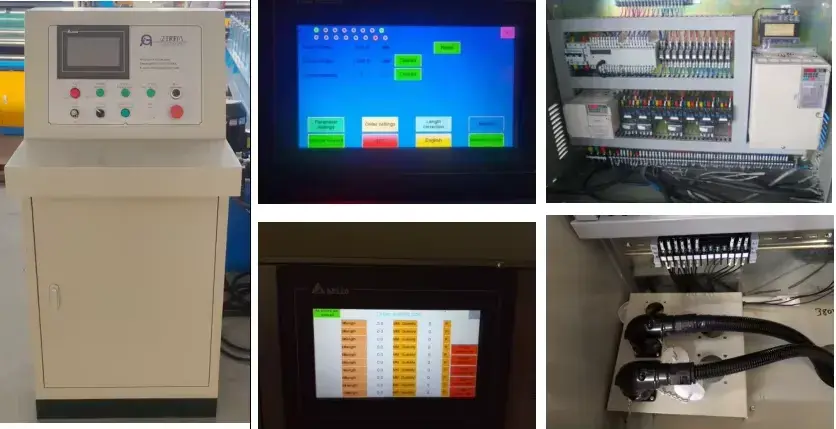
To switch between Sigma profile sizes of the Sigma M purlin machine, the roller settings, feeding guides, and cutting factors need to be changed in a planned way. Modern machines with cassette-type roller systems can change the width of the web from 200 mm to 300 mm in about 15 minutes by adjusting spacers based on digital readouts. At startup, operators must use accurate calipers to check the profile measurements. They must compare the web height, flange width, and lip angles to the CAD specs. The PLC control system keeps many profile recipes, which lets it quickly access tried-and-true settings that cut down on the need for making changes by trial and error. This orderly technique cuts down on waste during changeovers and speeds up the time it takes to get production stable.
Building Operator Competency Through Structured Training
Comprehensive training programs teach students about machine concepts in the classroom and let them practice using machines while being supervised. Operators must be able to read technical models to understand the tolerance requirements, understand the control panel signs that show normal versus abnormal working conditions, and automatically carry out emergency shutdown steps. Cross-training more than one operator on each machine makes the hiring more flexible, which keeps output from stopping when there aren't enough workers. Refresher classes that cover new profile styles or software changes keep skills up to date and raise safety knowledge.
Implementing Standard Operating Procedures
Written standard operating procedures (SOPs) make daily tasks clearer by outlining the right way to do things like starting up, changing parameters, checking for quality, and shutting down. There should be troubleshooting flowcharts in these papers that walk workers through a series of logical steps to figure out what's wrong before calling in support. By comparing real practices to written rules on a regular basis, audits find training gaps and ways to improve the process. Standardization is especially helpful when you have more than one shift going at once or when you're adding new workers to your production teams.
Tip 3 – Choose the Right Sigma M Purlin Machine Model Based on Your Needs
Buying things has long-lasting effects on how flexible operations are and how well the business does financially. Systematically weighing the available choices is necessary to find equipment that fits the level of production, the budget, and the company's growth plans.
Automated models with servo-driven feeding systems, built-in cutting stations, and automated length control offer higher output, making them ideal for companies that make a lot of standard profiles. These methods are worth the extra money because they take less work and produce uniform quality, which cuts down on rework. On the other hand, machines that are adjusted by hand require less money up front and are better for job shops that handle a wide range of special orders and value freedom over speed. The machine's footprint is very important in factories with limited floor space, where small designs make the most of useful room without losing performance.
Using less energy has a direct effect on how much it costs to run the technology over its lifetime. Models with variable frequency drives change the motor speed based on the real load. This uses less electricity during lighter forming tasks than models with set speeds. The double-chain transmission system is easier to maintain than complicated gearbox setups because the mechanics are easier to understand. To find real value, purchasing managers should ask possible suppliers to do total cost of ownership studies. These analyses should compare the purchase price with expected energy costs, maintenance costs, and production capacity.
Scalability is an important thing to think about for businesses that are growing. When production rates rise, machines with flexible designs can add new features in stages, like better punching systems or automatic stacking equipment. This method spreads out capital investments over time and keeps things from becoming outdated too soon. On the other hand, buying equipment that is too small means replacing it too soon, which wastes the machine's remaining useful life.
Tip 4 – Optimize Procurement: Buying Strategies for Best Value
To get good terms from providers, you need to plan ahead, know the market, and be able to negotiate in a way that balances short-term savings with long-term support needs.
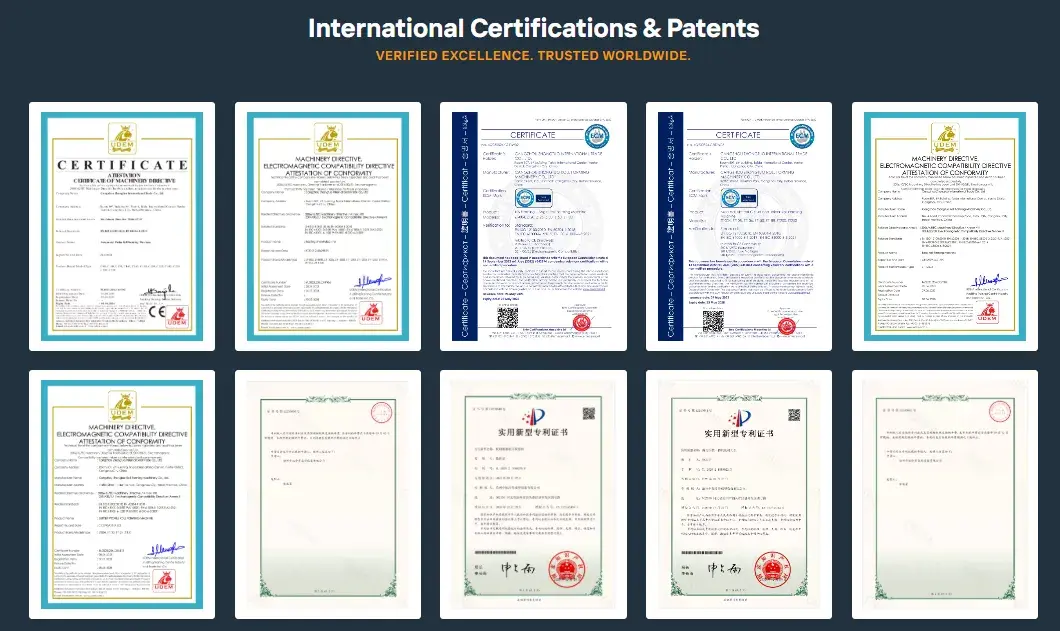
You can be sure that the equipment you buy meets foreign standards if it comes from a certified maker with an ISO9001 quality management system and CE safety compliance. By checking these certificates, buyers are protected from buying low-quality equipment that breaks down early or poses safety risks at work. Asking for customer reference lists lets you talk directly with current users, who can give you honest feedback about how well the equipment works and how quickly the seller is. When you visit a factory, you can see how things are made and how quality is controlled, which may not be clear from the marketing materials.
When planning building expansions with more than one production line, buying in bulk can save you money because of the big savings. When you combine orders, the cost per unit goes down, and you have more power to negotiate for better guarantee terms or training services that are included. Flexible financial options, like leasing tools or setting up payment plans over time, help you keep your working capital for things like stocking up on raw materials and paying for running costs. Some sellers have trade-in programs that let you use the value of old tools to pay for new ones. This makes upgrading technology easier on the wallet.
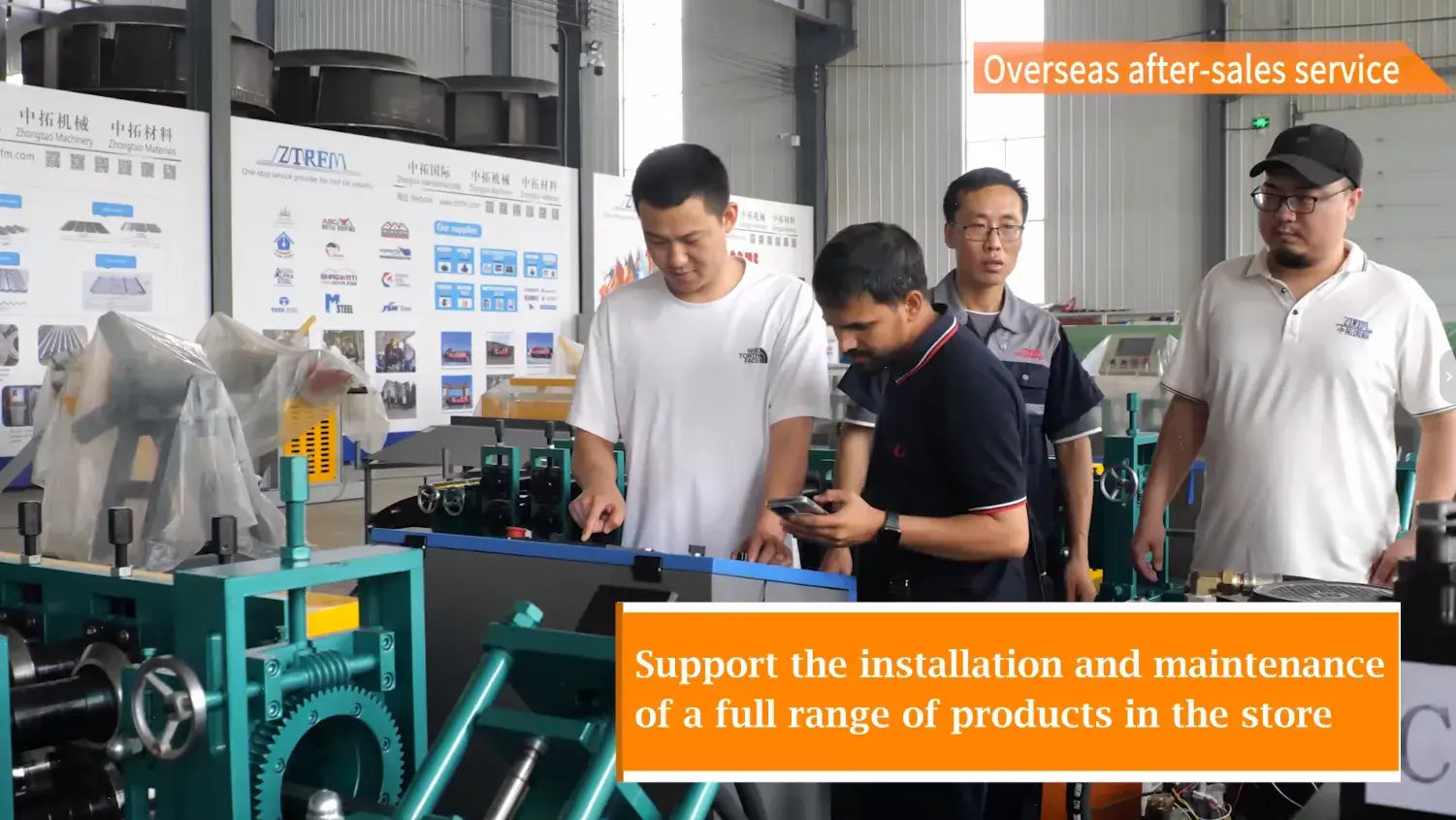
When choosing a supplier, the framework for after-sales help should be carefully looked at. When manufacturers keep area service centers stocked with new parts, repairs can be done faster than when parts have to be shipped from across the world. Technical help that can be reached by phone, email, and videoconferencing, among other ways, makes it easier to solve problems without having to pay for expensive site trips. Operators and support staff get up to speed quickly with training programs that can be held at the supplier's site or at the customer's location.

Tip 5 – Implement Safety and Quality Controls During Operation
Operational greatness includes both keeping workers safe and making sure products work well. Combined safety and quality systems give businesses long-term economic advantages by lowering accidents, raising customer happiness, and lowering insurance costs.
Establishing Robust Safety Protocols
Machine guarding around the making stations keeps people from hurting themselves by touching the moving rollers and chain drives by mistake. There are emergency stop buttons all over the tools that can be used right away if workers see anything that could be dangerous. Using lockout/tagout methods during maintenance ensures that machines don't turn on by accident while fixes are being made. Regular safety checks by trained industrial hygienists find risks before they happen. This shows that management cares about the health and safety of employees, which boosts morale and keeps workers.
Implementing Quality Assurance Practices
Monitoring the dimensions of profiles of the sigma M purlin machine on a daily basis makes sure that they stay within the specs during production runs. Statistical process control methods keep track of measures like hole placement and web height, and when values get close to tolerance limits, they start investigations before errors that are bad enough to reject happen. Visual checks find flaws on the surface, like scratches or oil splattering, that make the item look bad and could be a sign of problems further up the line. Load testing procedures on sample profiles make sure that the structure's stability meets the design requirements. This is especially important when working with new steel types or switching suppliers.
Utilizing Real-Time Inspection Technologies
Modern quality systems use laser measuring tools that keep an eye on the profile dimensions all the time and change the making settings automatically to account for changes in the material's properties. These closed-loop control systems lower the amount of scrap that is made because they catch deviations right away, instead of finding whole batches of goods that don't meet standards during the final review. Digitally recording quality data makes it possible to track, which meets the needs of customer audits and helps with efforts to improve processes all the time by showing patterns in how well they work.
Bonus Tip – Embrace Digitization: Using Data to Measure and Improve Efficiency
When you combine technology with traditional manufacturing, you get smart work settings where decisions are made based on data instead of gut feelings.
IoT-enabled sensors connected to important parts keep an eye on shaking patterns, temperature profiles, and power usage patterns that show mechanical problems before they become catastrophic. Predictive maintenance algorithms look at this streaming data to plan when to replace parts during planned breaks instead of having to fix problems when they happen without warning, which cannot keep customers' delivery promises. Production management software keeps track of how much each piece of equipment is being used. This way, it can find capacity that isn't being used but could handle more orders or problems that need to be fixed with extra equipment.
Creating a mindset of ongoing improvement makes operators more likely to suggest ways to improve processes based on what they see on the job. Key performance indicators, such as general equipment efficiency, first-pass yield rates, and energy consumption per unit created, are looked at in regular performance review meetings. When you work together with equipment providers, you can get software updates that include the newest control methods and new profile design tools. When manufacturers invest in digitization, they report that output rates go up by more than 20% and quality failure rates go down because of better process control.
Case studies from the field of automatic warehouses show how these perks work in real life. Real-time dimensional tracking systems were put in place at facilities that made Sigma profile racking components. These systems cut hole placement mistakes by 65%, which pretty much eliminated assembly problems that used to require expensive field changes. Monitoring energy use showed ways to make forming speeds work better for different sizes of material. This could cut yearly power costs by 18% without affecting production volume.
Conclusion
To get the most out of your Sigma M purlin machine roll forming tools, you need to pay attention to a lot of different operating aspects. Realistic standards for performance are set by knowing the machine's technical design, such as its ¥90mm solid 40Cr shafts and dual-chain transmission system. Regular repair plans keep expensive downtime from happening, and thorough operator training makes sure that people's skills meet the complexity of the equipment. When buying a machine, it's important to make sure that the specs match up with what you need to make and your budget. Your employees are safe because of strict safety rules, and your image is safe because of quality control methods. By using IoT monitors and data analytics to digitize your business, you can keep making it better in a global market that is becoming more and more competitive. These tactics work together to turn tools from just an investment into a system for making money.
FAQ
1. How does spring-back affect high-tensile steel forming?
When profiles are made, internal stresses can cause them to partly return to their original shape after they come off the rollers. This is called spring-back. The spring-back effect is stronger in high-tensile G550 steel than in lower-grade steels. Professional machines have customizable straightening stations at the exit that apply controlled counter-bending forces. These forces remove internal stresses and make sure the final measurements are exactly what was asked for. To keep the accuracy of the dimensions, operators must adjust these settings every time they change the grade of material.
2. Can one machine produce multiple Sigma profile sizes?
Modern machines have spacer-adjustment systems or automatic cassette-type roller setups that make it possible to change the width of a web from 200 mm to 300 mm in about 15 minutes. This adaptability lets different projects meet their needs without having to keep separate tools for each size. The PLC control system keeps sets of parameters for different profiles. This lets the system switch between profiles quickly, which keeps production going as smoothly as possible and makes the most of the equipment's use across a wide range of orders.
3. What foundation requirements does the equipment need?
Anchoring to a strengthened concrete base at least 200 mm deep is necessary because of the dynamic forces that are created when punching and cutting. Leveling pads make sure that the machine stays perfectly aligned over many years of use, stopping the machine from gradually lowering, which hurts the flatness of the profile. Properly preparing the foundation is a small investment that saves the much larger equipment costs and ensures long-term accuracy in measurements that are important for customer happiness.
Partner with ZTRFM for Superior Sigma M Purlin Machine Solutions
You can trust ZTRFM to make your Sigma M purlin machine because they have over 150 countries where they can provide service based on their ten years of specialized technical knowledge. Our machines have quality 40Cr steel shafting with an HRC28–32 hardness that makes it very durable, dual-chain drive systems that make sure everything runs smoothly, and forming speeds of up to 15m/min that make your production as efficient as possible. Our ISO9001, CE, and CAS approvals prove that our quality control systems and safety standards for products are up to par. In addition to selling tools, we offer full OEM and ODM services, operator training programs, and quick technical help at zhongtuorollforming@gmail.com. Our engineering team creates custom solutions that meet your unique profile needs and operational limits, whether you're adding on to current facilities or starting up new production lines. Find out how our track record of success and dedication to customer satisfaction can change the way you make light steel structures.
References
1. American Iron and Steel Institute (2022). "Cold-Formed Steel Design Manual: Structural Applications of Sigma Profiles in Industrial Construction." AISI Standards Publication S100-22.
2. Hancock, G.J. & Murray, T.M. (2021). "Advanced Roll Forming Technology for High-Strength Steel Structural Members." Journal of Structural Engineering, Vol. 147, Issue 8, pp. 04021094.
3. European Committee for Standardization (2020). "Eurocode 3: Design of Steel Structures - Part 1-3: Cold-Formed Thin-Gauge Members and Sheeting." EN 1993-1-3:2020.
4. Yu, W.W. & LaBoube, R.A. (2019). "Cold-Formed Steel Design: Manufacturing Processes and Quality Control in Modern Roll Forming Equipment." John Wiley & Sons Publications, Fourth Edition.
5. International Organization for Standardization (2021). "Quality Management Systems for Manufacturing Equipment - Requirements and Implementation Guidelines." ISO 9001:2021 Technical Specifications.
6. Dubina, D. & Ungureanu, V. (2023). "Structural Performance of Sigma Purlins in Pre-Engineered Metal Buildings: Manufacturing Tolerances and Load-Bearing Capacity." Thin-Walled Structures Journal, Vol. 182, Article 110265.
_1750323743240.webp)