- English
- French
- German
- Portuguese
- Spanish
- Russian
- Japanese
- Korean
- Arabic
- Irish
- Greek
- Turkish
- Italian
- Danish
- Romanian
- Indonesian
- Czech
- Afrikaans
- Swedish
- Polish
- Basque
- Catalan
- Esperanto
- Hindi
- Lao
- Albanian
- Amharic
- Armenian
- Azerbaijani
- Belarusian
- Bengali
- Bosnian
- Bulgarian
- Cebuano
- Chichewa
- Corsican
- Croatian
- Dutch
- Estonian
- Filipino
- Finnish
- Frisian
- Galician
- Georgian
- Gujarati
- Haitian
- Hausa
- Hawaiian
- Hebrew
- Hmong
- Hungarian
- Icelandic
- Igbo
- Javanese
- Kannada
- Kazakh
- Khmer
- Kurdish
- Kyrgyz
- Latin
- Latvian
- Lithuanian
- Luxembou..
- Macedonian
- Malagasy
- Malay
- Malayalam
- Maltese
- Maori
- Marathi
- Mongolian
- Burmese
- Nepali
- Norwegian
- Pashto
- Persian
- Punjabi
- Serbian
- Sesotho
- Sinhala
- Slovak
- Slovenian
- Somali
- Samoan
- Scots Gaelic
- Shona
- Sindhi
- Sundanese
- Swahili
- Tajik
- Tamil
- Telugu
- Thai
- Ukrainian
- Urdu
- Uzbek
- Vietnamese
- Welsh
- Xhosa
- Yiddish
- Yoruba
- Zulu
Automatic Trapezoidal Roof Roll Forming Machine for Multi-Rib Roofing Panels
Modern construction manufacturing has made a big step forward with the invention of the trapezoidal sheet roll forming machine. With these specialised machines, thin metal coils are turned into structural parts that are used to support modern building interiors. Across the United States, you can find office buildings, healthcare facilities, or housing developments with roof and ceiling systems made with these advanced systems. A very important variation is the trapezoidal sheet roll forming machine, which makes the precise profiles needed for industrial and commercial roofing. How these machines work, what technical features they have, and what to think about when buying them can have a huge effect on your manufacturing efficiency and bottom line. This guide tells business buyers everything they need to know about investing in this important technology equipment.
Introduction
Through a continuous cold-forming process, a trapezoidal sheet roll forming machine shapes metal coils. The machine gradually shapes galvanised steel (GI) or pre-painted galvanised steel (PPGI) strips into precise shapes without using heat. By using this cold roll forming principle, you can make complex cross-sectional geometries while keeping the integrity of the material. During the process, raw materials are fed through a series of roller stations. At each station, a new pair of rollers bends the steel slightly closer to its final shape. In contrast to stamping or extrusion, this method keeps the protective zinc coating on galvanised materials and stops them from warping when heated.
Understanding the Automatic Trapezoidal Roof Roll Forming Machine
How the Machine Works?
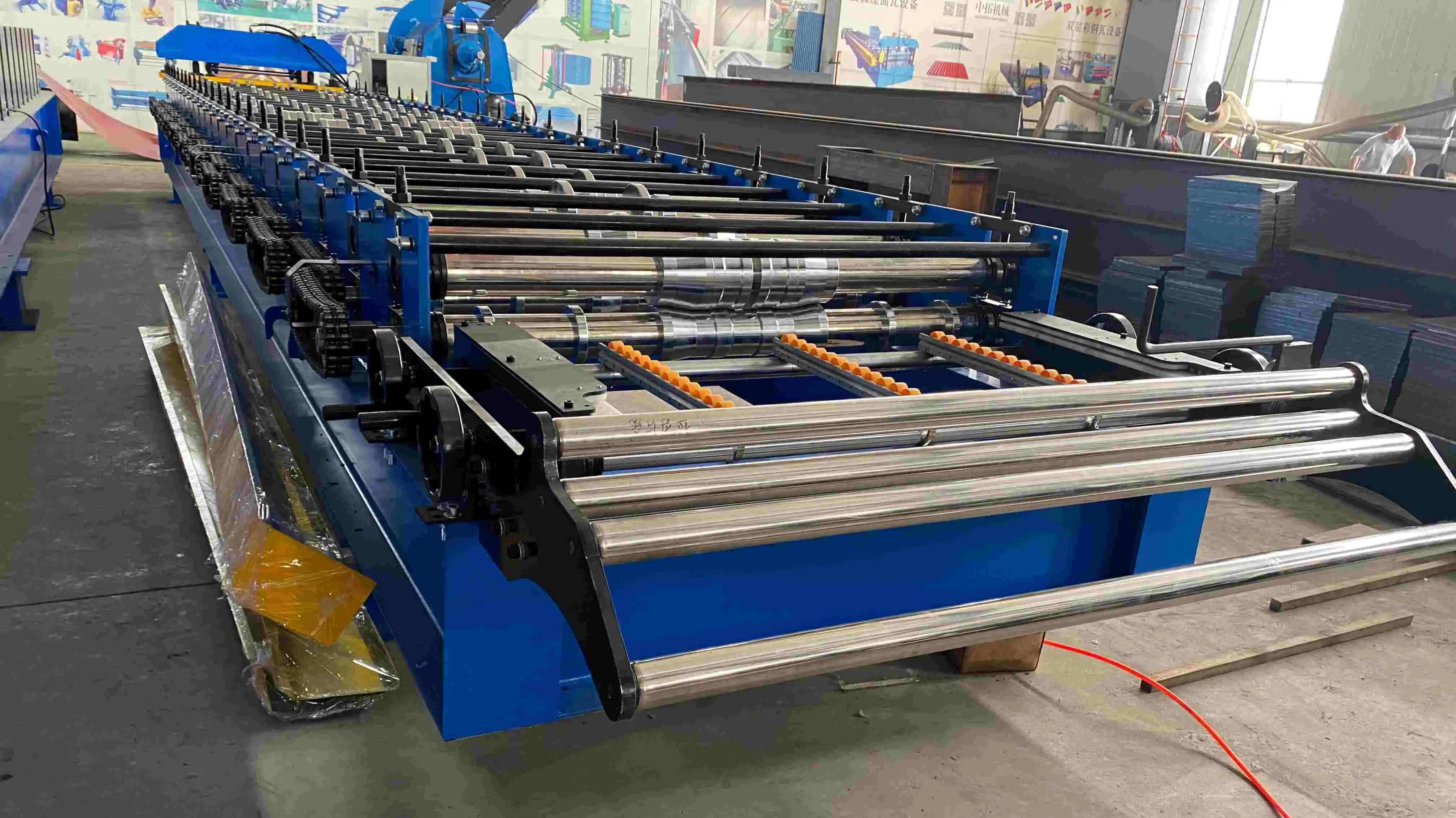
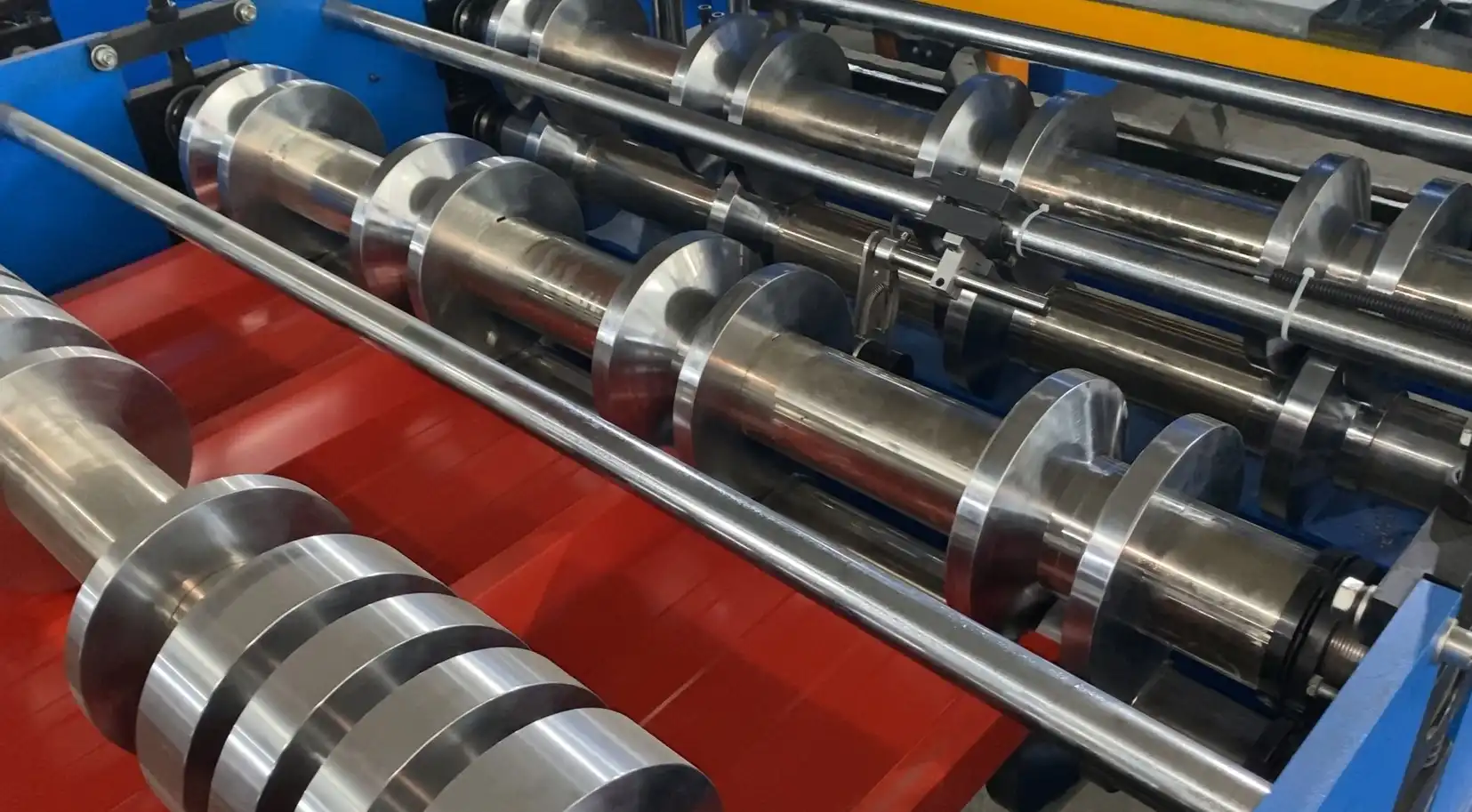
Modern trapezoidal sheet roll forming machine lines for light gauge steel have several subsystems that work together. The section that decoils holds coils of raw materials. It can usually hold up to 1.5 tonnes of weight and coils with inner diameters of 450 to 550 mm. The 50 mm diameter 45# steel rolling shaft makes sure that the material feeds steadily. Precision roller stations are what the system is built around. There are usually 18 stations for main profiles and 16 stations for cross configurations. These rollers are made from GB-Cr12 tool steel that has been heated to a hardness level of between HRC 58 and 62. This means that they won't wear out quickly, even when they're being used all the time.
Key Components and Their Functions
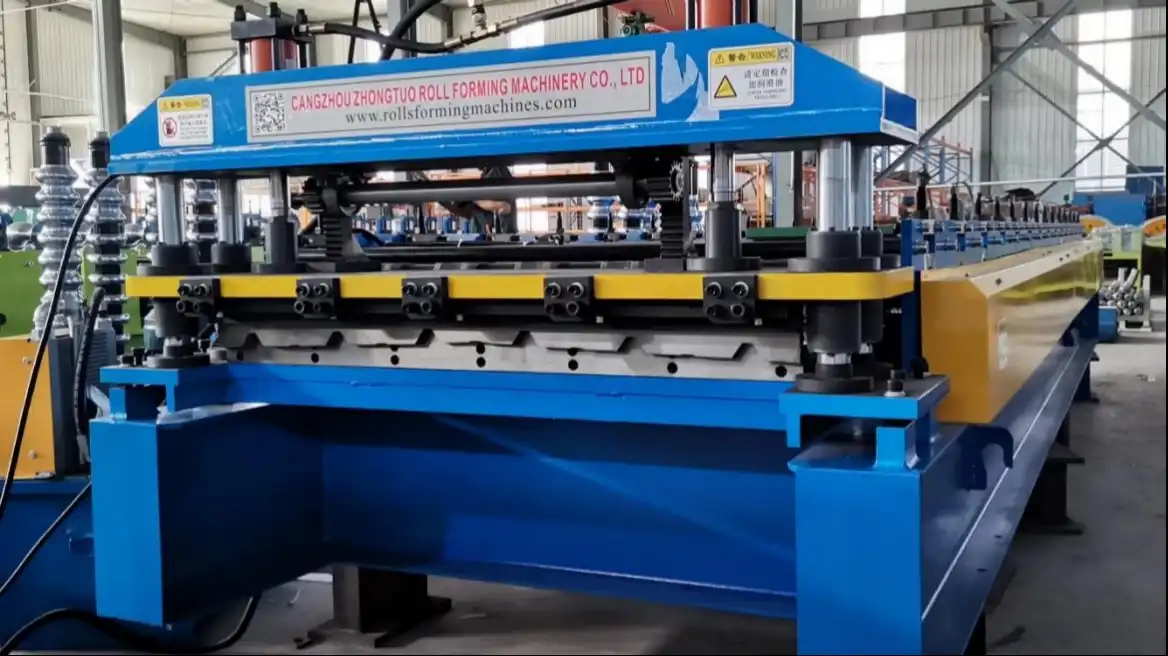
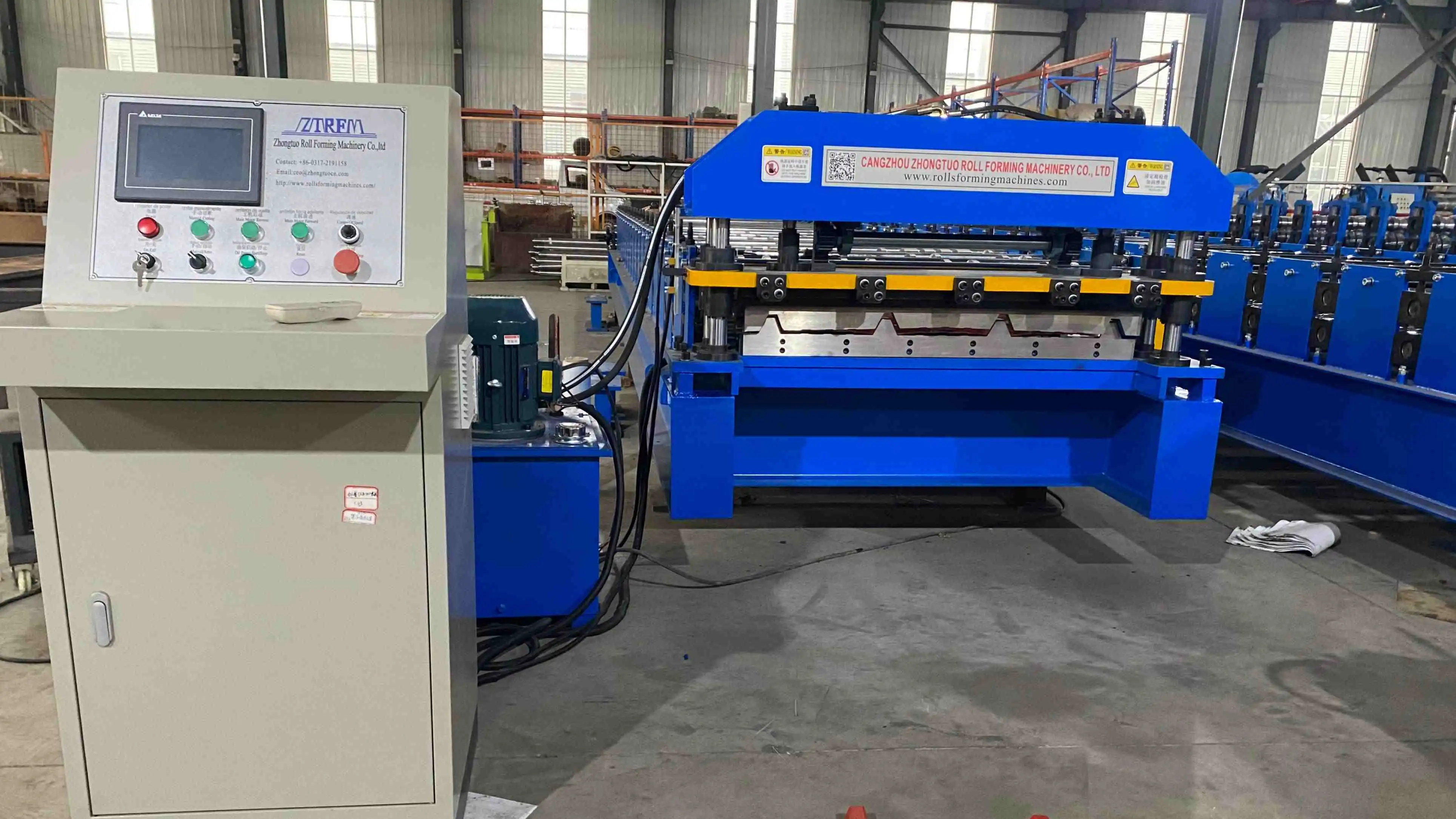
During the time between forming stations, built-in punching units make the exact hole patterns and connection points needed for putting together the architectural grid. Cutting systems that are powered by servos work at speeds that are in sync with the flow of the material, making it possible to get accurate cuts to length within ±1.0mm. Established manufacturers' PLC control systems coordinate all of these parts, letting operators enter the lengths they want and automatically changing production parameters. When cutting and punching are going on, the normal work speed is between 0 and 20 metres per minute. This is done to balance throughput with the need for accuracy.
Technical Specifications That Matter
The machine can work with different thicknesses of material depending on the part that is being made. The thickness range for top material made with PPGI is between 0.1 and 0.3 mm, and the thickness range for bottom material made from galvanised steel is between 0.2 and 0.4 mm. This ability to be made of two different materials meets both aesthetic and structural needs. The painted top surface looks nice, and the thicker galvanised base gives it the rigidity it needs. The machine's roller design can handle this range of thicknesses without requiring long changeover processes. This is helpful when production schedules need to be flexible.
Maintenance Requirements
Maintenance practices must be followed to extend the life of trapezoidal sheet roll forming machines and keep the quality of their output. Checking the roller surfaces every day for damage or buildup of material, making sure all the safety guards are still in the right place, and checking the hydraulic fluid levels in cutting systems should all be part of daily routines. As part of weekly tasks, lubricating roller bearings according to the manufacturer’s instructions is usually done with lithium-based grease that can handle continuous-duty use. Checking the tension of the drive chain or gearbox once a month, looking for signs of overheating in the electrical connections, and making sure that the PLC backup batteries stay charged are all important parts of regular maintenance.
Benefits of Using an Automatic Trapezoidal Roof Roll Forming Machine
Productivity Gains That Transform Operations
Automatic roll forming works much better than making things by hand. If the trapezoidal sheet roll forming machine line is set up correctly, it can make finished parts faster than traditional bending methods. The process is continuous, so there are no inefficiencies that come with starting and stopping like there are in press brake operations. Because computer-controlled cutting gets rid of human measurement mistakes, the best use of materials is reached. When machines are calibrated correctly, scrap rates usually drop below 2%. This saves a lot of money on raw materials over the life of the equipment. These efficiency gains directly lead to higher profit margins on contracted projects, especially for manufacturers that work with big commercial construction projects that need a lot of materials.
Material Waste Reduction and Quality Consistency
Precision is very important when making structural components. For surfaces to look good and fit standard sizes, all of the parts must line up perfectly during field installation. With PLC controls, a trapezoidal sheet roll forming machine can keep the same size tolerances on thousands of pieces, which is hard to do by hand. Because the progressive forming action spreads stress evenly through the material, it doesn't thin out in one place or get flaws on the surface. When making painted goods, the Cr12 roller surfaces are chrome-plated to keep the pre-finished coating from getting scratched. This protects the look of the goods and cuts down on costly rejection rates.
Industry Applications and Real-World Performance
A big market for these parts is commercial office construction. Large-scale roofing and suspended ceiling installations are needed in government buildings, corporate headquarters, and financial centres to hide HVAC systems and electrical conduits while controlling noise. In response to this need, the trapezoidal sheet roll forming machine makes parts that meet ASTM C635 standards for size tolerances and load-bearing capacity.
There are specific needs for healthcare facilities. Cleanrooms for hospitals and pharmaceutical factories need materials and surface treatments that kill germs and can withstand strict cleaning procedures. Roll-forming machines can put stainless steel caps on galvanised cores without damaging the surface, making products that won't rust and are good for these tough environments. Precision punching makes ventilation holes and clip attachment points that meet standards for infection control ventilation.
Building in a seismic zone makes things even more complicated. Buildings in areas that are prone to earthquakes must have systems that can handle structural movement without causing the building to fall down. Fire expansion notches can be made on profiles thanks to the machine's accurate punching ability. To meet the strict building code requirements in California and other high-risk areas, these engineered features help the metal components handle thermal expansion during fires and structural deflection during earthquakes.
There are a lot of places that use these systems, like schools, shopping malls, and hotels. Every application values the combination of aesthetic versatility and functional performance that comes from parts that were made correctly. Roll forming machines that can change between different profile types without a lot of downtime are useful for manufacturers that serve this wide range of markets.
Choosing the Right Trapezoidal Sheet Roll Forming Machine for Your Business
Capacity Assessment and Production Planning
By matching a trapezoidal sheet roll forming machine's capabilities to its actual production needs, both underutilisation and bottlenecks can be avoided. Manufacturers should figure out how much they expect to make each month by looking at contracted projects and market predictions. A line going 15 metres per minute makes a lot of different things than one going 20 metres per minute, especially when it's used for more than one shift. Think about whether your business model focuses on long production runs of standard profiles or on changing over often to meet specific needs. For manufacturers who make a lot of products, faster lines with automated coil handling are better, but for custom fabricators, quick-change roller cassettes may be more important than maximum speed.
Automation Level Considerations
Basic systems need an operator to help with many steps of the process, like decoiling and measuring length by hand. The mid-range equipment has hydraulic decoilers and automatic cutting, which make the work more consistent while reducing the need for labour. Fully automated material handling, real-time quality monitoring, and centralised production data tracking are all part of premium configurations. When making your choice, you should think about how much labour costs in the area, how skilled the workers are, and your quality control goals. In the global market, higher degrees of automation often lead to faster ROI, even though they require a bigger initial investment.
Equipment Comparison Framework
There is a wide range of forming machines on the market, from simple models to highly complex automated lines. Figuring out why these prices are different helps buyers make smart choices. Cheaper options usually have simpler mechanical drives, fewer roller stations, and operations that have to be done by hand. They are good for new businesses or manufacturers who only make a small amount of products. Premium systems have servo motors, advanced PLC programming, quality inspection built in, and features for quick changeover.
Warranty coverage varies a lot from one supplier to the next. Mechanical warranties usually last between 12 and 24 months and cover problems with the way the product was made and parts that break too soon. Look into whether electrical parts are covered separately and make it clear what normal wear and tear is and what is considered warrantable failure. Some suppliers offer long-term service contracts that include preventative maintenance visits and priority technical support.
Procurement and Supplier Guidance for B2B Clients
Supplier Evaluation Criteria
How profitable a business is directly affects how reliable its equipment is. A trapezoidal sheet roll forming machine made by well-known companies like Cangzhou Zhongtuo has been used successfully in many different industries and markets around the world. Since our start in 2014, we've improved our designs based on feedback from installations in more than 150 countries. This experience leads to strong mechanical designs, control systems that have been tested to their limits, and detailed technical documentation. Check a supplier's ISO9001, CE, and CAS certifications to see if they follow quality management standards that are known around the world.
Order Process and Lead Time Expectations
For standard trapezoidal sheet roll forming machine configurations, it usually takes 30 working days from the time an order is confirmed until the machine is ready to be shipped. According to engineering needs and part procurement, custom specifications or OEM projects may cause timelines to be pushed back. Shipping by ocean freight from factories to international ports takes an extra three to five weeks. People who want to buy something should know that the steps for clearing customs vary depending on the port of entry and how complete the paperwork is. Using experienced freight forwarders who are familiar with importing industrial machinery makes it easier to handle these logistics.
Choice of container affects how well shipping works. Most standard equipment can fit inside 20-foot containers (20GP), which keeps freight costs low for orders of just one machine. 40-foot containers (40GP or 40HQ) may be needed for bigger production lines or more than one unit. Knowing the size and weight distribution of equipment helps load containers more efficiently and keeps them from getting damaged during transport. Companies with a good reputation give detailed packing lists and loading diagrams that make the customs process and receiving at the destination facility easier.
Warranty Terms and Support Infrastructure
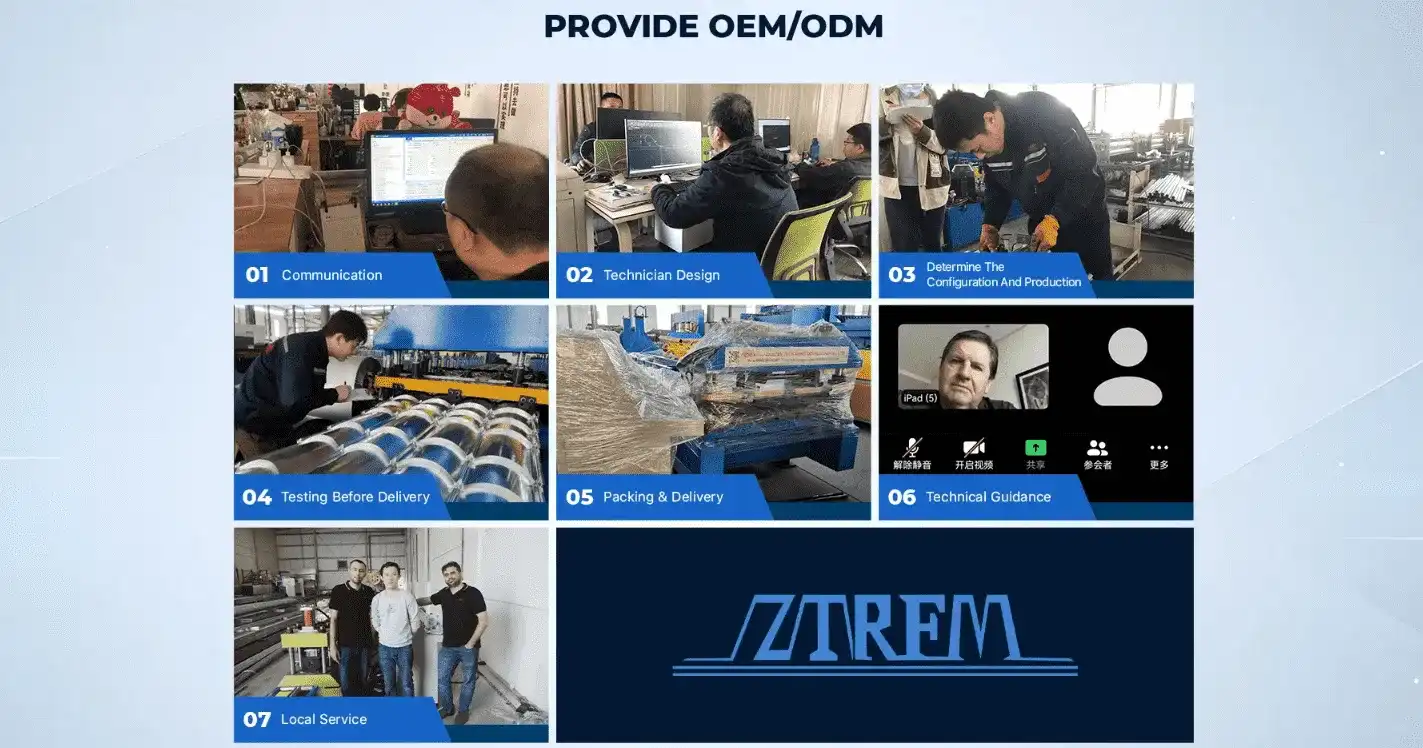
Production problems are kept to a minimum by having access to knowledgeable technical help for the trapezoidal sheet roll forming machine. When deciding which equipment supplier to work with, look into their support systems. The technical staff at Cangzhou Zhongtuo speaks English and is familiar with international electrical and installation standards. As part of our support model, technicians can access machine control systems for the trapezoidal sheet roll forming machine and fix problems without having to travel, which saves time. For complicated mechanical issues that need to be fixed on-site, we work with service partners in the area to make sure we can get someone there quickly.
Another important part of support is operator training. Normal operation procedures, routine maintenance tasks, and basic troubleshooting skills should all be covered in thorough training programmes. Training that works cuts down on operator mistakes that cause quality problems or damage to equipment. It also builds up in-house expertise that lowers the need for service calls from outside the company. As the makeup of the workforce changes over time, video training materials and detailed operational manuals written in English help workers keep improving their skills.
Conclusion
Manufacturers that work with the construction industry need the trapezoidal sheet roll forming machine to do their jobs. The technology turns raw materials into precisely engineered building parts faster and more consistently than manual methods. When choosing the right equipment, you have to think about how much production you need, the benefits of automation, the reputation of the supplier, and the total cost of ownership. By carefully looking at technical specs, maintenance needs, and supplier support abilities, purchasing decisions are made that make manufacturing more competitive and operations more profitable over the course of multiple years of equipment lifecycles.
FAQ
1. What maintenance schedule maximises machine lifespan?
Pay extra attention to the roller stations. Rollers made of Cr12 tool steel can show flaws on formed profiles even if the damage is only small on the surface. Setting up a regular inspection routine for rollers that uses dial indicators to check the consistency of the diameter helps find wear patterns before they affect the quality of the product. When working with already-painted materials, any adhesive residue or dirt on the roller will damage the finished surface. Using cleaning protocols in between coil changes stops these quality problems from happening.
2. How do I determine the right machine capacity for my operation?
Find out how much output you need each month by looking at current contracts and expected market demand. During an eight-hour shift, a machine that works at 15 metres per minute makes about 7,200 metres per month. If you only need 5,000 metres a month, basic equipment that decoils itself by hand might be enough. If you want to make more than 15,000 meters per month, you should invest in faster automated lines. Think about the seasons in your market. Construction activity changes a lot, so check to see if equipment that can work with different profile types could help keep production on track during slow times.
3. Can machines accommodate different material thicknesses and profiles?
Companies that make equipment, like Cangzhou Zhongtuo, often change the designs of rollers to make profiles that fit the needs of specific clients. At the start of the process, detailed engineering drawings are used to show the cross-sectional geometry, material requirements, and tolerances that need to be met. Manufacturing teams use CAD software to design the shapes of rollers and make prototypes of the tools before they are used in mass production. Usually, customization takes 6 to 8 weeks longer than the normal time for delivering a machine.customisation
Partner with ZTRFM for Your Metal Panel Production Needs
For over ten years, Cangzhou Zhongtuo has been making high-quality trapezoidal sheet roll forming machine solutions. Our equipment is a perfect mix of precise engineering and useful features that help manufacturers and structural fabricators solve real production problems. Our machines meet international quality standards and can be customized in ways that standard suppliers can't. They are certified by ISO9001, CE, and CAS. No matter if you're adding new production capacity or upgrading old equipment, our technical team can help you match the specifications of the machinery you need with the way you run your business. We are a direct manufacturer of roll forming systems. Email us at zhongtuorollforming@gmail.com to talk about your project needs, get detailed technical specifications, and get competitive prices.
References
1. Smith, J.R. & Martinez, K.L. (2023). "Cold Roll Forming Technology: Advances in Automated Metal Panel Production." Journal of Manufacturing Systems Engineering, Vol. 47, pp. 234-251.
2. Industrial Machinery Association (2024). "Roll Forming Equipment Standards and Best Practices for Commercial Roofing Applications." Technical Bulletin IMA-RF-2024.
3. Chen, W. & Thompson, R. (2022). "Material Efficiency in Automated Sheet Metal Forming: Comparative Analysis of Production Methods." International Journal of Production Research, Vol. 60(8), pp. 2456-2473.
4. Building Component Manufacturers Association (2023). "Metal Roofing Panel Specifications and Manufacturing Guidelines." BCMA Technical Report TR-455.
5. Davidson, P.H. (2024). "Economic Analysis of Automation Investment in Metal Forming Operations." Manufacturing Economics Quarterly, Vol. 18(2), pp. 89-107.
6. European Committee for Standardization (2023). "Safety Requirements for Roll Forming Machinery: Design and Operation Standards." EN 15204:2023 Specification Document.
_1750323743240.webp)