- English
- French
- German
- Portuguese
- Spanish
- Russian
- Japanese
- Korean
- Arabic
- Irish
- Greek
- Turkish
- Italian
- Danish
- Romanian
- Indonesian
- Czech
- Afrikaans
- Swedish
- Polish
- Basque
- Catalan
- Esperanto
- Hindi
- Lao
- Albanian
- Amharic
- Armenian
- Azerbaijani
- Belarusian
- Bengali
- Bosnian
- Bulgarian
- Cebuano
- Chichewa
- Corsican
- Croatian
- Dutch
- Estonian
- Filipino
- Finnish
- Frisian
- Galician
- Georgian
- Gujarati
- Haitian
- Hausa
- Hawaiian
- Hebrew
- Hmong
- Hungarian
- Icelandic
- Igbo
- Javanese
- Kannada
- Kazakh
- Khmer
- Kurdish
- Kyrgyz
- Latin
- Latvian
- Lithuanian
- Luxembou..
- Macedonian
- Malagasy
- Malay
- Malayalam
- Maltese
- Maori
- Marathi
- Mongolian
- Burmese
- Nepali
- Norwegian
- Pashto
- Persian
- Punjabi
- Serbian
- Sesotho
- Sinhala
- Slovak
- Slovenian
- Somali
- Samoan
- Scots Gaelic
- Shona
- Sindhi
- Sundanese
- Swahili
- Tajik
- Tamil
- Telugu
- Thai
- Ukrainian
- Urdu
- Uzbek
- Vietnamese
- Welsh
- Xhosa
- Yiddish
- Yoruba
- Zulu
Best Solar Strut Channel Roll Forming Machine for PV Mounting Systems
Making solar mounting systems fast and accurately requires the right manufacturing tools. The C-channel and U-channel forms that support solar panels worldwide are made with a solar strut channel roll-forming machine. ZTRFM designs and builds accurate machines that employ continuous automated processes to transform raw coiled steel into high-strength structural elements. Our technology can handle material thicknesses from 1.5 mm to 2.5 mm with consistent dimensional precision, helping manufacturers satisfy the growing need for reliable PV mounting systems in residential, industrial, and utility-scale solar projects.
How Does a Solar Strut Channel Roll Forming Machine Work?
The Core Roll-Forming Process Explained
Making begins when galvanised or treated steel strips enter the machine's decoiling station. Before being created, the material is levelled to remove the coil's inherent memory and flatten it. Its 24 precision-engineered GCR15 steel rollers are chrome-plated. Rollers in certain stations bend the flat strip into the proper channel form. Stepwise deformation at each roller station shapes the material gently without altering its strength or armour.
Manufacturing begins when galvanised steel strips enter the machine's decoiling station. The material is levelled to remove coil memory and flattened. The machine's 24 precision-engineered GCR15 chrome-plated rollers progressively bend the flat strip into the required solar strut channel shape. Stepwise deformation at each roller station shapes the material without altering its structural strength. This continuous process ensures consistent profile geometry for PV mounting rails and channel supports.
Integrated Punching and Cutting Systems
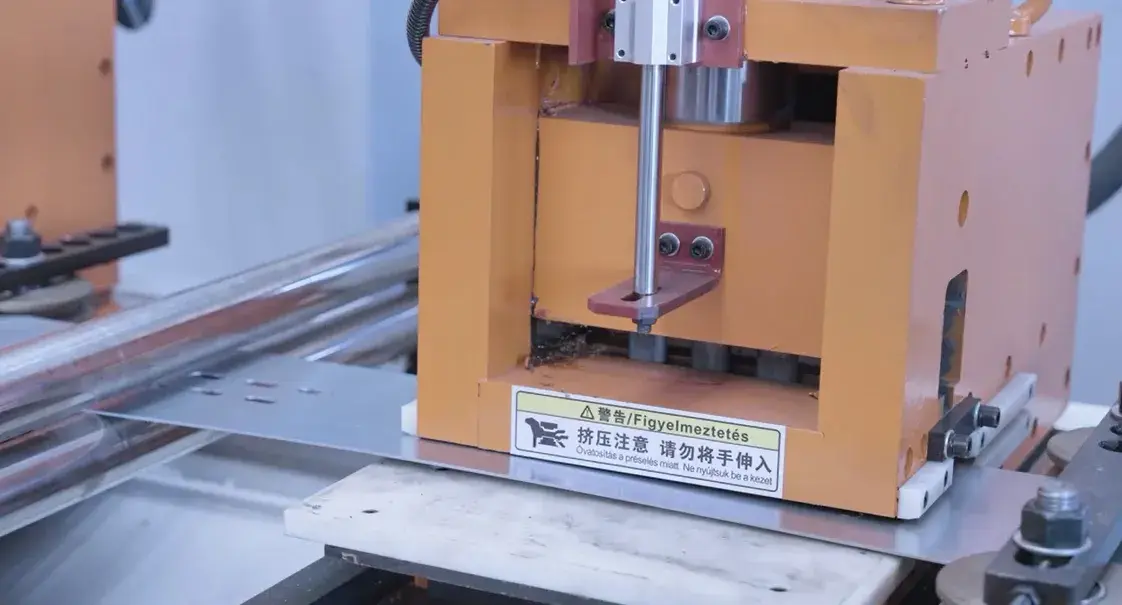
PV strut channel machines’ synchronised punching features enable the mounting system, unlike isolated profile-forming equipment. The hydraulic cutting station creates slotted holes for field-connected items using an 11kW hydraulic power unit. This combination eliminates needless processes, reducing handling time and preventing part deformation during machine processing. The hydraulic cutting system automatically adjusts lengths depending on PLC tablet manufacturing instructions and delivers clean, burr-free cuts.
Key Benefits of Investing in High-Quality Solar Strut Channel Roll Forming Machines
Production Efficiency and Cost Optimisation
Solar manufacturers are under pressure to maintain quality and cut prices. Automated roll production eliminates time-consuming and variable human stages in manufacturing. A machine running at 8 m/min may complete hundreds of square metres of channel every shift if set up properly. This produces far more than pushing or punching. The continuing shaping process wastes less than cutting sheet stock into separate pieces, increasing material use.
The economic advantages go beyond only creation. Because autonomous forming is more uniform and requires less effort, reject rates and repair costs are lower. Efficiency in energy utilisation is crucial. Modern roll forming machines concentrate the forming force, requiring less power per part than techniques that compress or heat the material. Operational savings pile up, increasing equipment ROI, especially for organisations with numerous shifts or demand surges.
Dimensional Precision and Product Durability
To align panels and ensure 25-year system performance, solar fastening structures must have tight tolerances. The cold forming method of roll forming work-hardens the material. This allows final channels to bear additional weight without heating up again. We measure our tools' cross-sections within industrial tolerances. This ensures that field-installed connections, brackets, and screws fit. This precision eliminates fitting issues in projects with differently made pieces.
Steel and pre-coated materials are protected by chrome-coated rollers during shaping on the Solar Strut Channel Roll-Forming Machine. Profile straightness remains consistent throughout production runs, reducing bending and twisting that complicate PV module alignment. Hole positioning accuracy is critical for solar mounting systems, as brackets and clamps must match factory-punched slots. Our roll-forming machine maintains hole centre tolerances within ±1.0 mm, ensuring field-installed connections fit without modification across thousands of mounting channels.

How to Choose the Best Solar Strut Channel Roll Forming Machine for Your PV Mounting Business?
Assessing Technical Specifications and Capabilities
Before making purchases, know what's needed. How thick steel the machine can handle determines its gauge. Most structural mounting designs require steel thicknesses between 1.5 mm and 2.5 mm, which our basic versions can handle. Our 90mm-to-230mm feed width must accommodate your market's profile widths. Machines with quick-change tools or servo-adjustable forming stations may create multiple shape sizes without waiting for mechanical changes, benefiting manufacturers with a wide range of clients.
Output rate depends on motor power and forming speed. Our machines' 22kW motor technology powers heavy materials while utilising less energy for lighter gauges. Punching force and cutting speed depend on the hydraulic system size. The 11kW hydraulic station we chose works well for conventional hole shapes and section lengths. Voltage compatibility is crucial when installing equipment overseas. Our standard 380V three-phase layout may be modified to match local power infrastructure demands during engineering.
Evaluating Supplier Credentials and Support Infrastructure
In addition to equipment requirements, picking a supplier requires reviewing manufacturing records and customer support. ISO9001 and CE certifications demonstrate a company's global safety and quality management practices. ZTRFM has installation experience and parts distribution networks in over 150 countries, which helps when equipment requires servicing or upgrading. When production ramp-up or process optimisation concerns arise, English technical assistance, thorough operating instructions, and remote repair save downtime.
Customisation distinguishes commodity vendors from technical partners. Manufacturers require providers that can adapt conventional designs for unique profiles or production circumstances. This involves modifying cutting patterns, adding downstream stacking systems, and creating equipment for small factories. ZTRFM's design team leverages AutoCAD, SolidWorks, and COPRA to create speedy prototypes and distinctive solutions. This level of technical knowledge helps when raising output or entering new markets with varied building needs. When buying expensive equipment, warranty terms, spare parts, and training choices should be considered when comparing providers.

Market Trends and Future Outlook for Solar Strut Channel Roll Forming Technology
Automation and Smart Manufacturing Integration
Industry 4.0 tools are increasingly needed in solar production. Modern roll forming machines employ PLCs that communicate with plant management software. Managers can monitor productivity and schedule repairs in real time. Sensor-equipped machines monitor forming pressures, material input rates, and cutting cycles. Data from this helps enhance performance and identify wear trends before they influence output quality. This link reduces unplanned downtime and extends equipment life by changing parts before they fail.
Automated object handling is also improving. Leading manufacturers increasingly build machines, including PV mounting channel roll forming machines, with quality checking stations, robots that stack completed components, and coil loading systems. These enhancements reduce the amount of work and make the workplace safer by decreasing hand-handling heavy steel parts. Operational efficiency enhancements are especially important in regions with a shortage of qualified staff or where output must be constant throughout shifts. Automation in manufacturing is essential to satisfy volume demands at low prices as solar projects increase.
Sustainability and Energy Efficiency Considerations
As organisations endeavour to achieve climate targets and government regulations, environmental considerations are becoming increasingly significant when buying technologies. Less energy-intensive motor designs and hydraulic systems reduce operational carbon footprints and electricity expenses. Machine durability matters too. Building equipment with high-quality materials like our 45# forged steel rods and Cr12 mould steel cutting blades saves money and resources on replacements.
Solar manufacturing growth requires efficient production equipment with lower energy consumption. Modern PV mounting channel roll forming machines use optimised motor and hydraulic systems to reduce electricity usage per metre of channel produced. Durable components like Cr12 mould steel cutting blades and forged steel shafts extend machine life, reducing resource consumption from frequent replacements. These efficiency gains directly support manufacturers' environmental targets while maintaining output quality for solar projects.

Procurement Guide: Buying and Customising Your Solar Strut Channel Roll Forming Machine
Navigating the Enquiry and Quotation Process
Clear requirements must be discussed with vendors for successful procurement. Goal production quantities, material requirements, profile dimensions, and punching demands are needed to quote genuine projects. Request sample profiles or installations. See the product's quality and chat to current customers for more information than reading the specs. Knowing lead times is crucial when arranging tool arrival with building setup and production schedules. Standard machines may be supplied in weeks, while technical designs can take longer.
When negotiating costs, consider total ownership, including spare parts and support. Lower-priced equipment may lack hardened rollers or precise cutting systems for PV mounting channels, leading to frequent downtime. Request detailed quotes covering training, replacement parts (cutting blades, hydraulic seals), and warranty. Specify your required strut channel dimensions (e.g., 41x41mm or 41x21mm), hole patterns, and material grade (G350 to G550). These factors directly impact the machine's suitability for solar mounting production.
Installation, Training, and Ongoing Technical Support
For equipment commissioning to proceed well, your production team and the seller's expertise must collaborate. ZTRFM provides on-site installation by trained professionals who level, connect, and set up the machine for the first time. You'll utilise genuine production materials to produce test pieces, verify dimensions, and identify the ideal forming settings. Operating training covers basic troubleshooting, quality checks, daily operation, and preventative maintenance to keep equipment running smoothly.
Clear technical support channels prevent simple issues from becoming costly downtime for your PV mounting channel roll forming machine. Contacting suppliers by email, phone, and live video makes it easier to resolve issues promptly, regardless of time zone. With detailed service paperwork, parts schematics, and maintenance plans, your staff can perform routine maintenance. Knowing when new parts for wearable parts like cutting blades and hydraulic seals are available and how long it will take to get them helps you keep the right amount of inventory on hand. These supporting parts make buying a PV mounting channel roll-forming machine a long-term connection that protects manufacturing capability.

Conclusion
Choosing the correct roll-forming tools affects product quality in the competitive solar mounting industry. Production is consistent and fast using ZTRFM's machines' excellent mechanical design and contemporary automation. In addition to selling equipment, we offer expert help, customisation, and global servicing. Working with an experienced manufacturer offers you access to tried-and-true technology and continuing expertise that gives you a competitive edge as the solar business grows rapidly worldwide.
FAQ
1. What production volumes can these machines achieve?
When running continuously at 8 metres per minute, the machine can produce 480 metres of completed channel each hour if set up properly. The frequency of cutting cycles, punch density, and shift plans determine daily labour output. Two-shift manufacturers can produce 7,000–9,000 metres per week, adequate for medium-sized solar installations or a variety of client requests. Upgraded versions offer quicker speeds for facilities that prioritise throughput over setup.
2. How complex is maintenance for roll forming equipment?
Chain drives and moving parts are greased, hydraulic fluid levels are checked, and roller surfaces are monitored as part of periodic maintenance. Most manufacturers do these tasks after instruction. After processing a particular number of tonnes (typically months for continuous operations), the cutting blade must be changed. Annually checking the balance, bearings, and electrical systems can detect deterioration before it impairs productivity. ZTRFM provides detailed maintenance schedules and experienced assistance.
3. What factors most influence equipment pricing?
The cost of a machine relies on its material capacity, automation, and customisation. Servo-driven punching, automated length measuring, and multi-profile quick-change features cost more than simple devices that handle thinner materials and have human controls. Customising non-standard designs or connecting additional production lines increases engineering expenses. Shipping abroad affects the total landing cost. Asking for detailed quotations that include all of these factors helps you budget and compare vendors.
Partner with ZTRFM for Advanced Solar Mounting Solutions
ZTRFM offers high-quality roll forming equipment and technical support to help you make solar mountings. Since 2014, we have sold Solar Strut Channel Roll Forming Machine in 150 countries with solid mechanical design and fast customer service. Our ISO9001 and CE-certified production assures equipment performance, protecting output schedules and image. Email our technical staff at zhongtuorollforming@gmail.com for detailed assistance, creative engineering ideas, and affordable, customized quotations.

References
1. Johnson, M., & Chen, L. (2023). Cold Roll Forming Technology in Solar Manufacturing: Process Optimization and Quality Control. Industrial Press.
2. Rodriguez, A. (2024). "Automation Trends in PV Mounting System Production Equipment," Solar Manufacturing Today, 18(2), 45-62.
3. Schmidt, H., & Park, S. (2023). Precision Metal Forming for Renewable Energy Applications. Technical Publishing International.
4. Williams, R. (2024). "Evaluating Roll Forming Machine Specifications for Solar Component Manufacturing," Journal of Production Engineering, 31(4), 112-128.
5. Zhang, W., & Kumar, P. (2023). Global Solar Supply Chain Development: Equipment and Manufacturing Strategies. Energy Technology Publishers.
6. Thompson, E. (2024). "Total Cost of Ownership Analysis for Industrial Forming Equipment," Manufacturing Investment Review, 15(1), 78-95.
_1750323743240.webp)