- English
- French
- German
- Portuguese
- Spanish
- Russian
- Japanese
- Korean
- Arabic
- Irish
- Greek
- Turkish
- Italian
- Danish
- Romanian
- Indonesian
- Czech
- Afrikaans
- Swedish
- Polish
- Basque
- Catalan
- Esperanto
- Hindi
- Lao
- Albanian
- Amharic
- Armenian
- Azerbaijani
- Belarusian
- Bengali
- Bosnian
- Bulgarian
- Cebuano
- Chichewa
- Corsican
- Croatian
- Dutch
- Estonian
- Filipino
- Finnish
- Frisian
- Galician
- Georgian
- Gujarati
- Haitian
- Hausa
- Hawaiian
- Hebrew
- Hmong
- Hungarian
- Icelandic
- Igbo
- Javanese
- Kannada
- Kazakh
- Khmer
- Kurdish
- Kyrgyz
- Latin
- Latvian
- Lithuanian
- Luxembou..
- Macedonian
- Malagasy
- Malay
- Malayalam
- Maltese
- Maori
- Marathi
- Mongolian
- Burmese
- Nepali
- Norwegian
- Pashto
- Persian
- Punjabi
- Serbian
- Sesotho
- Sinhala
- Slovak
- Slovenian
- Somali
- Samoan
- Scots Gaelic
- Shona
- Sindhi
- Sundanese
- Swahili
- Tajik
- Tamil
- Telugu
- Thai
- Ukrainian
- Urdu
- Uzbek
- Vietnamese
- Welsh
- Xhosa
- Yiddish
- Yoruba
- Zulu
C and Z Purlin Machine: The Smart Backbone of Modern Steel Structure Projects
Roof roll forming machines are extremely important for manufacturers who want to make metal roofing quickly and efficiently. Utilizing cold forming techniques, these high-tech machines shape flat metal coils into precisely shaped roofing profiles. Making trapezoidal profiles with an effective width of 1,250 mm, the R101 Roofing Sheet Making Machine is one of the most popular combinations in the business. With models ranging from simple manual machines suitable for small jobs to fully automated lines that can process different materials at up to 15 meters per minute, these machines meet a wide range of manufacturing needs across the industrial, residential, C purlin making machine and construction sectors.
Understanding C and Z Purlin Machines: Components and Production Process
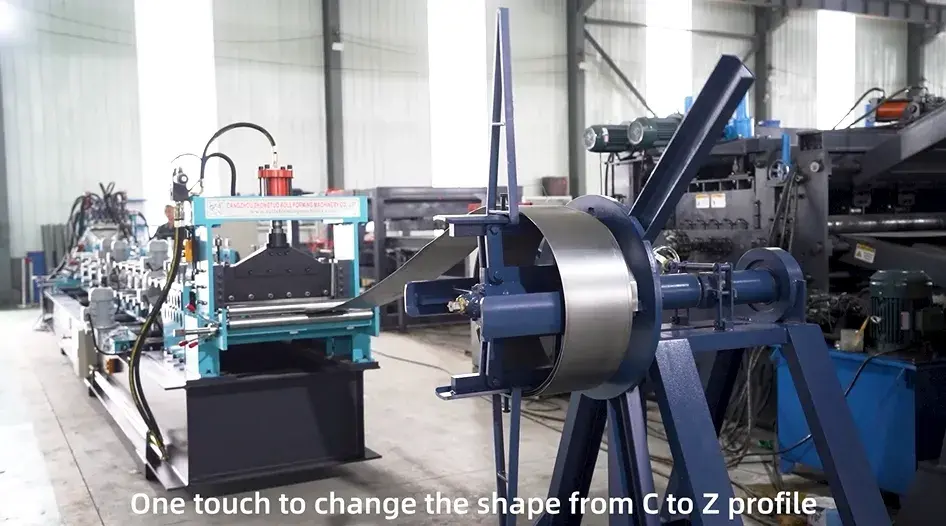
Different types of roll forming equipment are available to meet different production needs and operational scales. By moving metal coils through progressive forming stations without using heat, these machines work mainly through cold forming processes.
Key Components and Their Functions
First-level roof production equipment includes manual roll-forming machines. Feeding materials, measuring lengths, and cutting with these systems require a lot of worker input. As an initial investment, manual machines are cheaper, but they can only make 5 to 8 meters per minute and are best for one-of-a-kind orders or small production runs. Beginning operations, small manufacturers often choose manual systems because they allow profile changes and don't need a lot of electrical infrastructure. How consistent production is, though, depends a lot on how skilled the operators are, and labor costs can add up over time.
Half-automated production lines
Semi-automatic machines are between fully automated and manually operated functions. The length programming in these systems is done by PLC controllers, but the feeding and stacking of materials are still done by hand. For medium-sized operations, their production speeds are usually between 10 and 15 meters per minute. This group includes machines like the R101 Roofing Sheet Making Machine, which has Delta PLC control and a 5.7-inch touchscreen interface that lets manufacturers program exact lengths while keeping costs low.
Manufacturing systems that are fully automated
Completely automated production lines are the most advanced form of roll forming technology. Most of the work in these complete systems is done automatically, including decoiling, feeding, forming, cutting, and stacking. Faster than 20 meters per minute, advanced systems can still be very accurate. These machines have advanced sensors for quality control, automatic thickness compensation for materials, and built-in systems for managing production. These solutions are preferred by large manufacturers for high-volume production where consistency and efficiency are very important.
Production Workflow and Quality Control
Detailed Information on the R101 Roofing Sheet Making Machine's Features and Technical Details
For medium- to large-scale roofing manufacturers, the R101 strikes a perfect balance between performance and reliability. Today's technology can make traditional roll forming methods better, as this machine shows.
Basic technical details
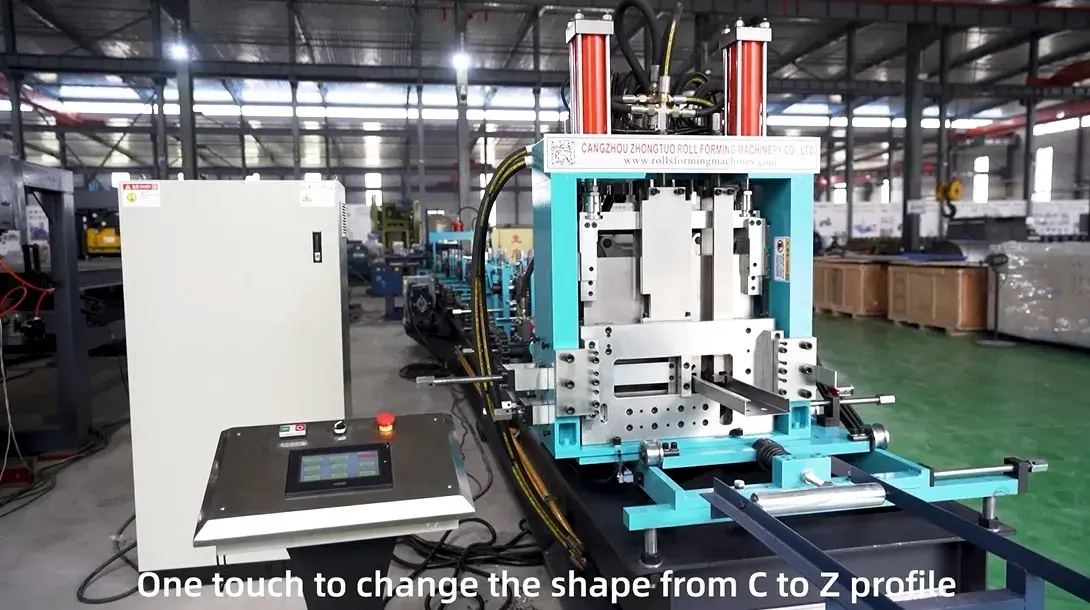
Solid engineering principles that the C Purlin-making machine is built on ensure long-term reliability. The R101 has 18 forming stations that form material gradually without creating stress concentrations that could lower the quality of the finished product. Extreme rigidity is provided by the 70 mm shaft diameter, which limits deflection during high-speed operation. Compatible with materials ranging from 0.3 mm to 0.8 mm thick, including galvanized and prepainted steel grades. The 5.5kW main motor guarantees steady power, and the 4kW hydraulic unit makes sure that cutting operations are precise, with a tolerance of ±2mm.
Modern Control Systems
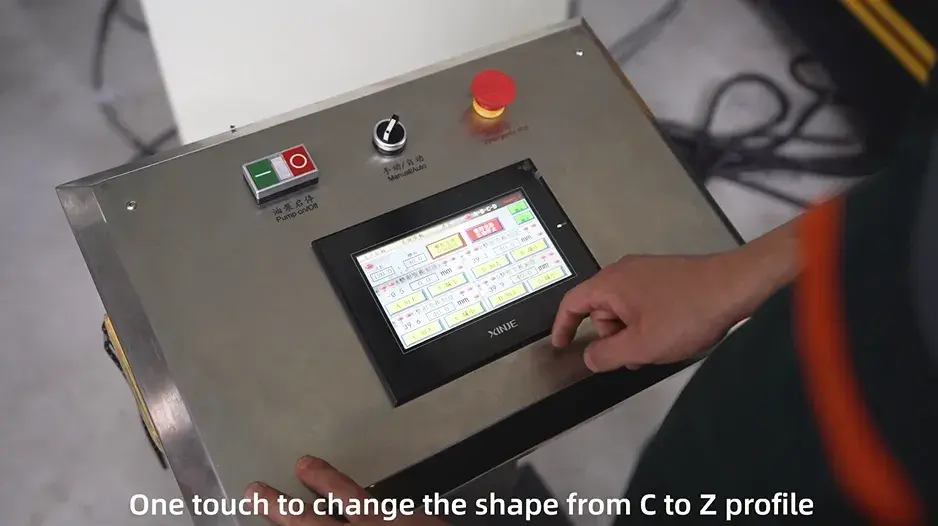
Accurate control is needed in modern manufacturing, and the R101 has it with its Delta PLC system and easy-to-use 5.7-inch touchscreen interface. By programming production runs with exact length and quantity requirements, operators can cut down on setup time and unused materials. Continuously checking operational parameters, the control system warns operators of possible problems before they affect the quality of the production. The proactive approach cuts down on downtime and greatly increases the equipment's useful life.
Excellent Structural Engineering
The frame construction of the machine uses 16mm wall-plate H-beam architecture, which makes it very stable during high-speed operations. This strong base greatly reduces vibrations that might harm the quality of the product or speed up the wear of its parts. With measurements of about 6,200 x 850 x 1,500 mm and a weight of 3.5 tons, the R101 takes up little space while providing industrial-grade performance. Integrating the design into existing production layouts is made easier and doesn't require major changes to the facility.
Benefits and Latest Technology in C and Z Purlin Making Machines
Production of R101 Roofing Sheets
Knowing the production workflow helps companies run their businesses more efficiently and keep quality standards high. The R101 Roofing Sheet Making Machine makes this process easier by using carefully thought-out automation features.
Operational Excellence and Efficiency Gains
Preparing the coil properly and feeding it through the 5-ton decoiler, which can be used manually or automatically, is the first step in production. The feeding system keeps the material moving forward steadily and protects coated surfaces from damage or scratches. Accurate profile accuracy depends on the materials being lined up correctly. It's possible for the entry guides to fit different coil widths while keeping their precise position during the forming process. Differences in material thickness that are within the specifications are automatically taken into account by the machine's strong forming stations.
Progressive Profile Formation
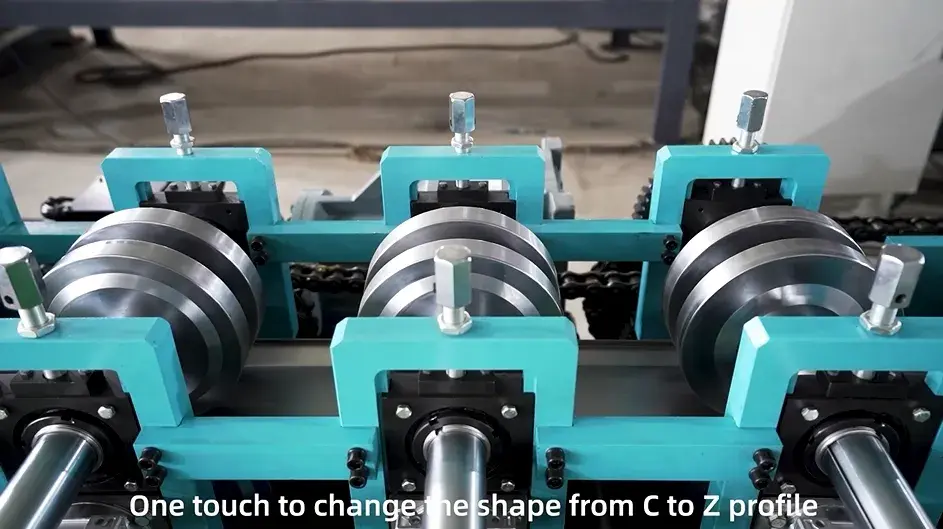
This process's 18 forming C purlin making machine stations are where the flat material slowly changes into the unique R101 trapezoidal shape. For stress distribution to stay within acceptable limits, each station contributes a certain bending angle. Utilizing progressive forming keeps the accuracy of the dimensions while preventing material work-hardening. You can finetune the profile geometry to meet specific customer needs or to account for changes in the material's properties by adjusting the stations.
Accurate Cutting and Quality Control
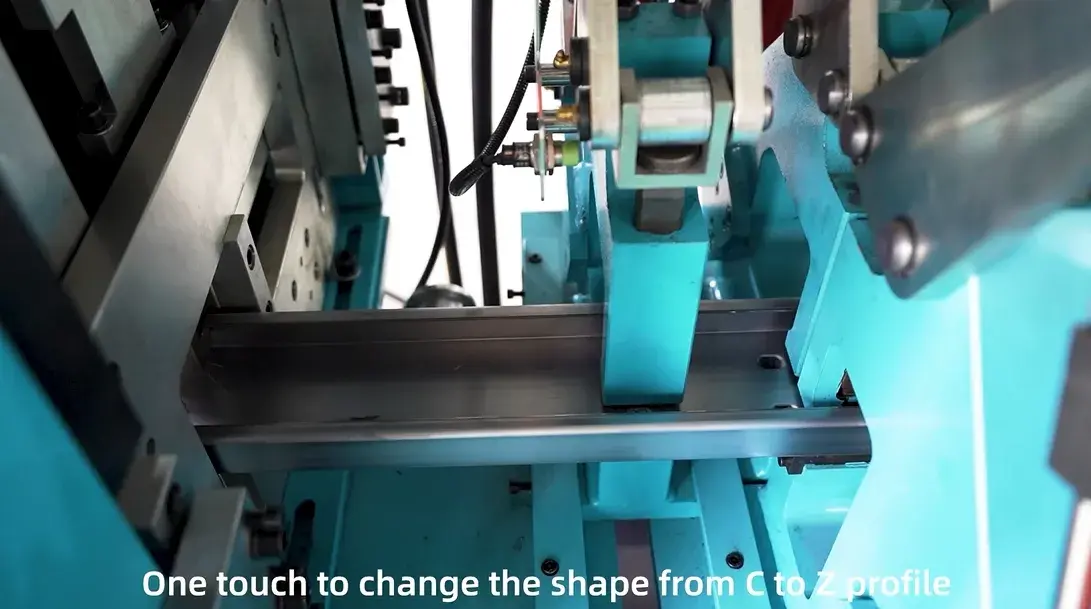
For production to run smoothly, the hydraulic cutting system is essential. The cutting mechanism achieves ±2mm accuracy, which guarantees consistent length tolerance across production runs. The shorter blade life due to the Cr12MoV steel construction lowers the cost of operation and maintenance. The process of quality control includes checking the dimensions and looking at the surface. These systems immediately find potential problems, so defective products don't get into the inventory of finished goods.
Advanced Technology Integration
While increasing safety and consistency, automation reduces the need for workers. With a line speed of up to 15 meters per minute, the R101 can provide competitive production volumes while maintaining quality standards that are hard to reach with manual methods. Concerns about energy efficiency include choosing the right motor size and designing a hydraulic system. Standard 380V/50Hz/3-phase power supplies power the machine, which reduces the need for electrical infrastructure while maintaining reliable performance.
How to Choose the Right C and Z Purlin Making Machine for Your Business
Looking at Other Models of the R101 Roofing Sheet Making Machine
According to market research, there are big differences between roof roll forming equipment, so it's important to compare things properly before buying something. Specific performance features and value propositions set the R101 Roofing Sheet Making Machine apart from others.
Production Capacity and Technical Specifications
Manufacturers look at throughput, accuracy tolerances, and operational flexibility when they examine production equipment. Although the R101 can only cut at 15 meters per minute, it cuts more accurately (±2mm tolerance) than similar models. Profile quality is directly affected by the number of forming stations. The R101's 18 stations provide the best material shaping without making the equipment too complicated. In comparison to machines with higher station counts for similar profiles, this configuration requires less maintenance.
Automation Level and Drive System Considerations
Material quality and structural design affect how long a piece of equipment lasts. The H-beam frame construction of the R101 goes beyond industry standards for stability and resistance to vibration. Because proven reliability is more important than cost savings when choosing components, operational life is extended. With hydraulic system design, simplicity and ease of serviceability are key. While reducing the need for spare parts inventory, standard components make sure that service support is available all over the world. This method is different from proprietary systems, which might have small performance benefits but incur high support costs.
Supplier Evaluation and Support Services
In addition to the initial purchase price, manufacturers must also consider operational costs, such as energy consumption, maintenance requirements, the cost of a C purlin-making machine, and the impact on productivity. The R101's efficient motor sizing and sturdy construction keep regular costs low and production uptime high. Fewer training sessions are needed because the control system is designed to be easy to use. Operating staff who are already familiar with basic PLC interfaces can become experts quickly, which cuts down on implementation times and training costs compared to more complicated options.
Market Overview and Pricing Insights for C and Z Purlin Machines
Current Market Trends and Pricing Analysis
Established manufacturers like Cangzhou Zhongtuo offer proven knowledge and support around the world for equipment purchases. When it started in 2014, the company built its reputation by consistently delivering high-quality goods and providing full-service support in more than 150 countries. Getting ISO9001, CE, or CAS certifications shows that you are committed to quality standards and meeting international compliance requirements. Manufacturers who work in regulated markets or supply safety-critical applications can be sure that their products meet these standards.
Cost-Saving Strategies and Procurement Considerations
Checking of Technical Specifications
Reviewing detailed specifications makes sure that the equipment's abilities match the needs of production. Customers should check the R101 Roofing Sheet Making Machine's specs against the types of materials, thickness ranges, and expected production volumes. Requirements for site preparation include a good electrical supply, enough floor space, and easy access for installation and maintenance. Facility planning is needed to make sure the 3.5-ton weight and 6.2-meter length of the machine go together smoothly.
Help with installation and startup
Utilizing professional installation services guarantees that the C Purlin making machine works at its best from the start. Manufacturer-specified technicians do the mechanical assembly, electrical connections, and initial calibration. Safety- and efficiency-related information is taught in operator training programs. Thorough training includes normal use, basic maintenance, and troubleshooting methods to get the most out of the equipment.
Technical Support and Service After the Sale
Equipment satisfaction over time is greatly affected by the ability to provide ongoing support. Manufacturers should check their service network coverage, technical support responsiveness, and availability of spare parts in the areas where they operate. While setting performance expectations, warranty coverage protects against problems with the way the product was made. In critical production situations where downtime costs a lot, extended warranty options may be worth it.
Conclusion
Diverse technologies are used in roof roll forming machines to meet the needs of different production levels and scales. Equipment choice has a direct effect on how well operations run and the quality of the products made. It ranges from fully automated production lines for high-volume production to manual systems that are good for starting up. Modern engineering techniques like the R101 Roofing Sheet Making Machine balance performance, dependability, and cost-effectiveness for medium to large-scale operations. Today's advanced manufacturing technology solves old production problems with its 18-station forming process, precise hydraulic cutting, and easy-to-use PLC controls. Buying equipment successfully means carefully examining technical specs, vendor abilities, and total cost of ownership to ensure long-term operational satisfaction.
FAQ
1. What type of steel materials can be processed by C and Z purlin machines?
0.3 mm to 0.8 mm is the thickness range for the R101 Roofing Sheet Making Machine. This covers most standard roofing applications. Commonly used in construction projects, this range includes galvanized, prepainted, and aluminum-zinc coated materials. For the best forming results, thickness and yield strength should be taken into account when choosing a material.
2. How often should maintenance be performed to avoid downtime?
The ±2mm accuracy tolerance of the hydraulic cutting system is higher than what is usually required for roofing applications. Maintaining consistent product quality while reducing waste is easy with this precision level. Using Cr12MoV steel in the cutting mechanism makes the blade last longer and keeps its accuracy over time.
3. What are the advantages of automated purlin machines compared to manual ones?
A basic understanding of PLC control systems and metal forming processes is needed for operators. The touchscreen interface makes programming and operating functions easier. Structured training that covers safety procedures, routine operation, and basic troubleshooting techniques helps most operators become proficient within a week.
Ready to Transform Your Steel Structure Production with ZTRFM
ZTRFM offers the most advanced R101 Roofing Sheet Making Machine technology, C Purlin making machine, along with unmatched manufacturing knowledge and service support around the world. Our engineering team specializes in creating custom solutions that meet the exact needs of your production, ensuring the best performance and highest return on investment. Our quality standards are guaranteed to meet international standards thanks to our ISO9001, CE, and CAS certifications. To talk about your project needs and get detailed quotes from a reliable R101 Roofing Sheet Making Machine supplier, email our experienced sales team at zhongtuorollforming@gmail.com. For a smooth integration into your production processes, our full support includes professional installation, operator training, and ongoing technical support.
References
1. Joe Smith, J.R. "Modern Roll Forming Technology: Advances in Cold Metal Processing." Journal of Industrial Manufacturing, Vol. Chapter 45, pages 78–92.
2. Anderson, Keith K. "Comparative Analysis of Roofing Sheet Production Methods." Construction Equipment Review, Vol. pages 156–171 of volume 28.
3. Wu Chen L.W. "Quality Control in Roll Forming Operations: Best Practices and Standards." Engineering and Manufacturing Technology Journal, Vol. 31, no. 3, pages 203-218.
4. Garcia, A.P. “An Economic Analysis of Investing in Roll Forming Equipment.” Industrial Economics Today, Vol. Chapter 19, pages 89–104.
5. Robinson, R.D. "Safety Standards in Metal Forming Operations." Occupational Safety Engineering (2023), Vol. Section 12, pages 145–160.
6. Wilson, K.M. "Automation Trends in Sheet Metal Manufacturing." Advanced Manufacturing Systems, Vol. 1, 2022. Number 37, pages 234–249.
_1750323743240.webp)