- English
- French
- German
- Portuguese
- Spanish
- Russian
- Japanese
- Korean
- Arabic
- Irish
- Greek
- Turkish
- Italian
- Danish
- Romanian
- Indonesian
- Czech
- Afrikaans
- Swedish
- Polish
- Basque
- Catalan
- Esperanto
- Hindi
- Lao
- Albanian
- Amharic
- Armenian
- Azerbaijani
- Belarusian
- Bengali
- Bosnian
- Bulgarian
- Cebuano
- Chichewa
- Corsican
- Croatian
- Dutch
- Estonian
- Filipino
- Finnish
- Frisian
- Galician
- Georgian
- Gujarati
- Haitian
- Hausa
- Hawaiian
- Hebrew
- Hmong
- Hungarian
- Icelandic
- Igbo
- Javanese
- Kannada
- Kazakh
- Khmer
- Kurdish
- Kyrgyz
- Latin
- Latvian
- Lithuanian
- Luxembou..
- Macedonian
- Malagasy
- Malay
- Malayalam
- Maltese
- Maori
- Marathi
- Mongolian
- Burmese
- Nepali
- Norwegian
- Pashto
- Persian
- Punjabi
- Serbian
- Sesotho
- Sinhala
- Slovak
- Slovenian
- Somali
- Samoan
- Scots Gaelic
- Shona
- Sindhi
- Sundanese
- Swahili
- Tajik
- Tamil
- Telugu
- Thai
- Ukrainian
- Urdu
- Uzbek
- Vietnamese
- Welsh
- Xhosa
- Yiddish
- Yoruba
- Zulu
Maintenance Checklist: Keeping Your Metal Wall Panel Machine Running Smoothly
Taking care of your metal wall panel machine means paying close attention to every detail and keeping an eye on it all the time to make sure it keeps working at its best. Through continuous bending processes with sequential roller stations, these cold roll forming systems turn flat metal coils into curved wall covering sheets. When properly kept, these tools get rid of inconsistent output, waste a lot less material, and speed up production so that pre-engineered buildings and architectural surfaces can be finished on time.
Understanding Metal Wall Panel Machine Maintenance Basics
Metal wall panel making equipment is high-tech industrial machinery that is mostly used to make outdoor and inner wall panels for the manufacturing and construction industries. These systems use either roll forming or hydraulic press-based machinery to shape galvanized steel, Galvalume, or pre-painted steel coils into specific shapes, such as triangular, curved, or patterns that hide the fixings.
Core Components Requiring Regular Attention
The basic structure of the tools used to make wall panels is made up of several important parts that need to be constantly inspected. The roller stations shape the material little by little by applying pressure at exactly measured points, and the hydraulic systems make sure that the same amount of force is applied throughout the whole process. Electrical control panels set the time, and cutting tools make sure that the lengths are exactly what is needed.
Regular repair has a direct effect on three important performance metrics: how well the machine works, how consistently good the products are, and how much it costs to run in the long term. Industry data shows that making equipment that is well taken care of can reach production speeds of 15 to 30 meters per minute and keep tolerances for dimensions within ±0.5 mm over long production runs.
Types of Maintenance Protocols
Strategies for preventive maintenance include different levels of involvement that are made to work with different operating timeframes. Immediate daily routines focus on cleaning the surface and doing basic system checks. Long-term occasional reviews look at how parts wear and how they should be aligned. Full overhauls done once a year include full motor checks and tuning processes.
Not following routine maintenance procedures can cause equipment to break down without warning, produce less consistently, and require expensive emergency fixes. Companies that make things say that unplanned downtime costs them an average of $50,000 per event, while planned upkeep usually costs less than $5,000 per machine unit per year.
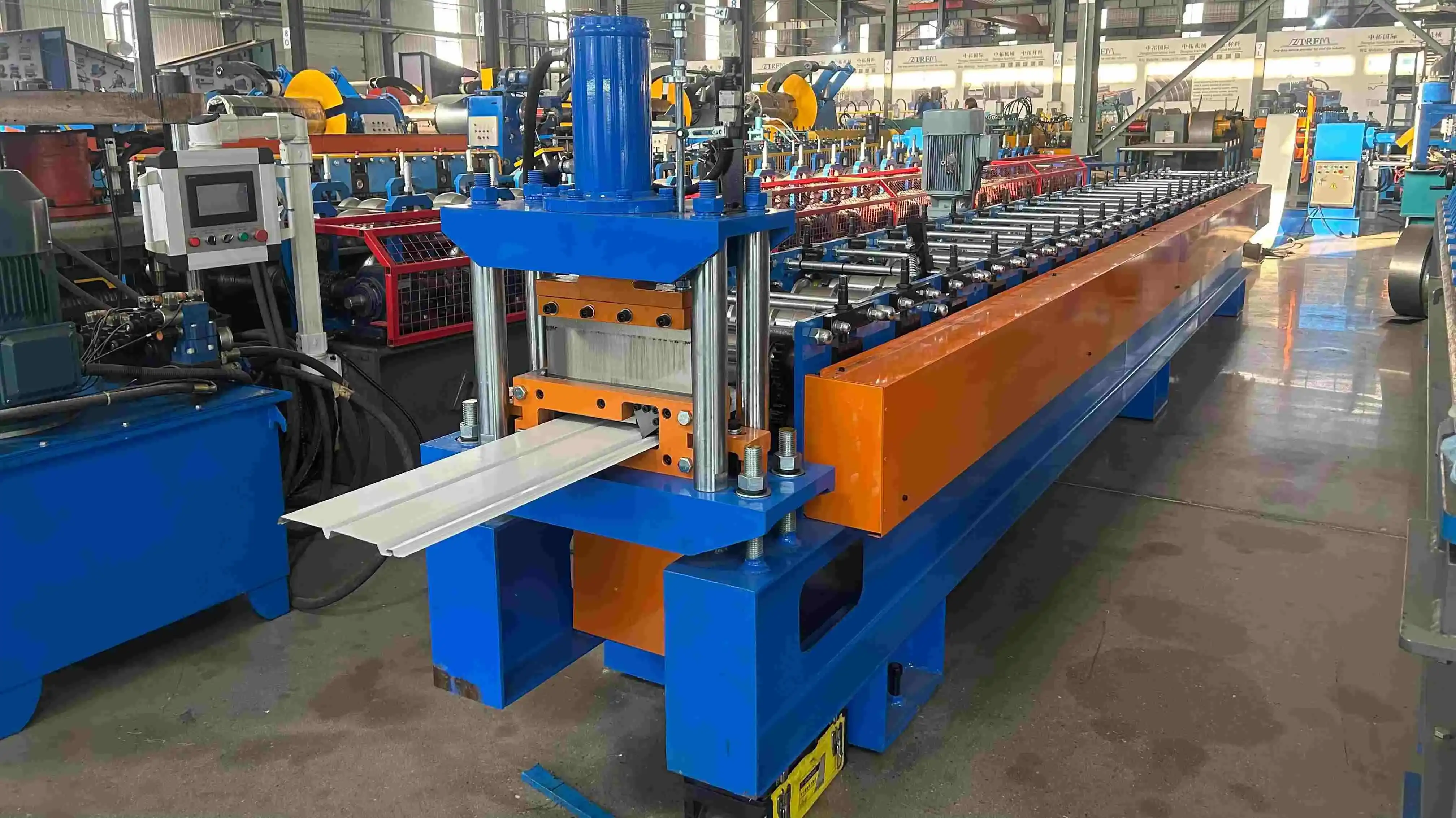
Essential Maintenance Checklist for Metal Wall Panel Machines
Making an extensive repair list for the metal wall panel machine guarantees uniform machine performance and increases the useful life of the equipment. Systematic methods take into account both current operating needs and possible patterns of component decline that could lower the quality of production.
Daily Operational Checks
Here are the most important daily repair chores that keep tools working:
- Cleaning: Use the right solvents that won't damage protected layers to get rid of metal bits, oil leftovers, and other dirt from roller surfaces. Pay extra attention to the making sites where the materials touch each other the most.
- Make sure there is the right amount of hydraulic fluid in the system and that it is spread out properly on all the bearing surfaces. If the automatic lubrication systems don't work right, make sure they do and fill up the tanks when they get low.
- Check the surface: Look for flaws on the roller surfaces, such as scratches, holes, or wear that could get on the end panels and cause issues. Extra care must be taken with chrome-plated rollers because flaws on the surface directly affect the quality of the panels.
These daily tasks take about 15 to 20 minutes per shift, but they keep tools from breaking down, which could cost a lot of money in repairs and lost time at work.
Weekly and Monthly Systematic Reviews
Longer maintenance times let you look at each part more closely and make changes to improve performance. Mechanical balance should be checked once a week, and electrical systems and software performance measures should be looked at once a month.
Roller alignment is a very important part of keeping panel quality standards high. When rollers aren't lined up right, they can twist materials, make measurements not match up, or leave surface flaws that make final panels useless. For proper alignment proof, you need measuring tools that can find differences with 0.1 mm accuracy.
Checking the electrical system once a month should include diagnosing the control panel, making sure the sensors are calibrated correctly, and checking the emergency stop system. Modern making equipment has complex PLC controls that need to have their software updated and their parameters optimized over time based on production experience.
Annual Comprehensive Maintenance Programs
Every year, maintenance rounds include full studies of the structure and mechanics to find possible weak spots before they cause production delays. This kind of thorough testing is usually done by professional service teams with troubleshooting tools and new parts on hand.
Complete roller refurbishing, hydraulic system overhauls, and repair plans for electrical parts are all part of the annual upkeep. When these intense methods are used, production often stops for three to five days. However, they can increase the useful life of equipment by fifty to seventy-five percent compared to ways that only do minimal upkeep.
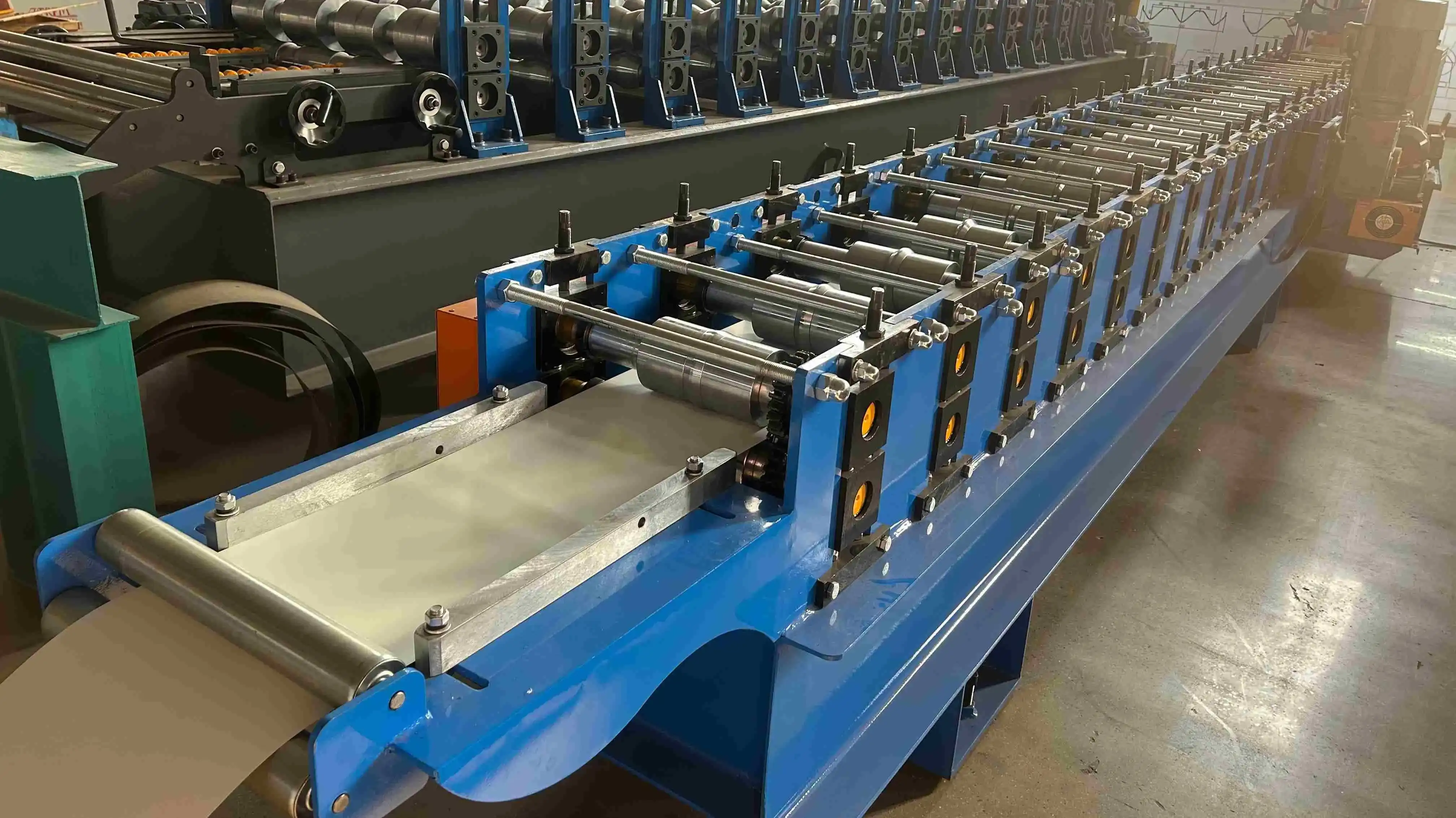
Troubleshooting Common Metal Wall Panel Machine Issues
Problems with operations often show up as clear signs that can be identified by skilled workers using organized methods for fixing problems. Knowing the trends of common failures lets you make focused fixes that keep quality standards high while minimizing production delays.
Identifying Mechanical Problems
Not normal noise patterns usually mean that a motor problem is getting worse and needs to be fixed right away. Roller bearings that make grinding noises are generally worn out or not well-oiled. Alternatively, tapping sounds that happen often could mean that the fixing hardware is loose or that the drive parts are worn out. Using special tracking gear for vibration research, worn-out bearings can be found weeks before they start to make noise.
Differences in panel quality are often caused by alignment problems or worn-out parts. Metal wall panel machine workers should use precise measuring tools to keep an eye on the finished panel measurements and look for small changes that mean the parts are wearing out.
Addressing Electrical and Control System Faults
Modern tools for forming depend on complex control systems that combine many operating factors at the same time. Electrical problems can show up as random cutting sequences, uneven forming pressures, or even system shutdowns in the middle of an activity.
The first thing you should do to figure out what's wrong is look at the mistake codes on the control panel. After this, you should check to see if the monitors are working correctly and look at the wire cords. Problems with electricity are often caused by things in the area, like too much dust, changes in temperature, or electromagnetic interference from nearby electronics.
Preventive Measures and Quality Assurance
Putting in place organized preventative measures makes it much less likely that operating problems will happen again. Using precise measuring tools to check the positioning of the panels on a regular basis helps keep the quality of the panels uniform and find problems before they affect production.
Protocols for documentation for the metal wall panel machine are very important for debugging to work. Keeping detailed records of maintenance tasks, working factors, and quality measurements lets you find patterns that can help you figure out what maintenance will be needed in the future and how to schedule it most efficiently.
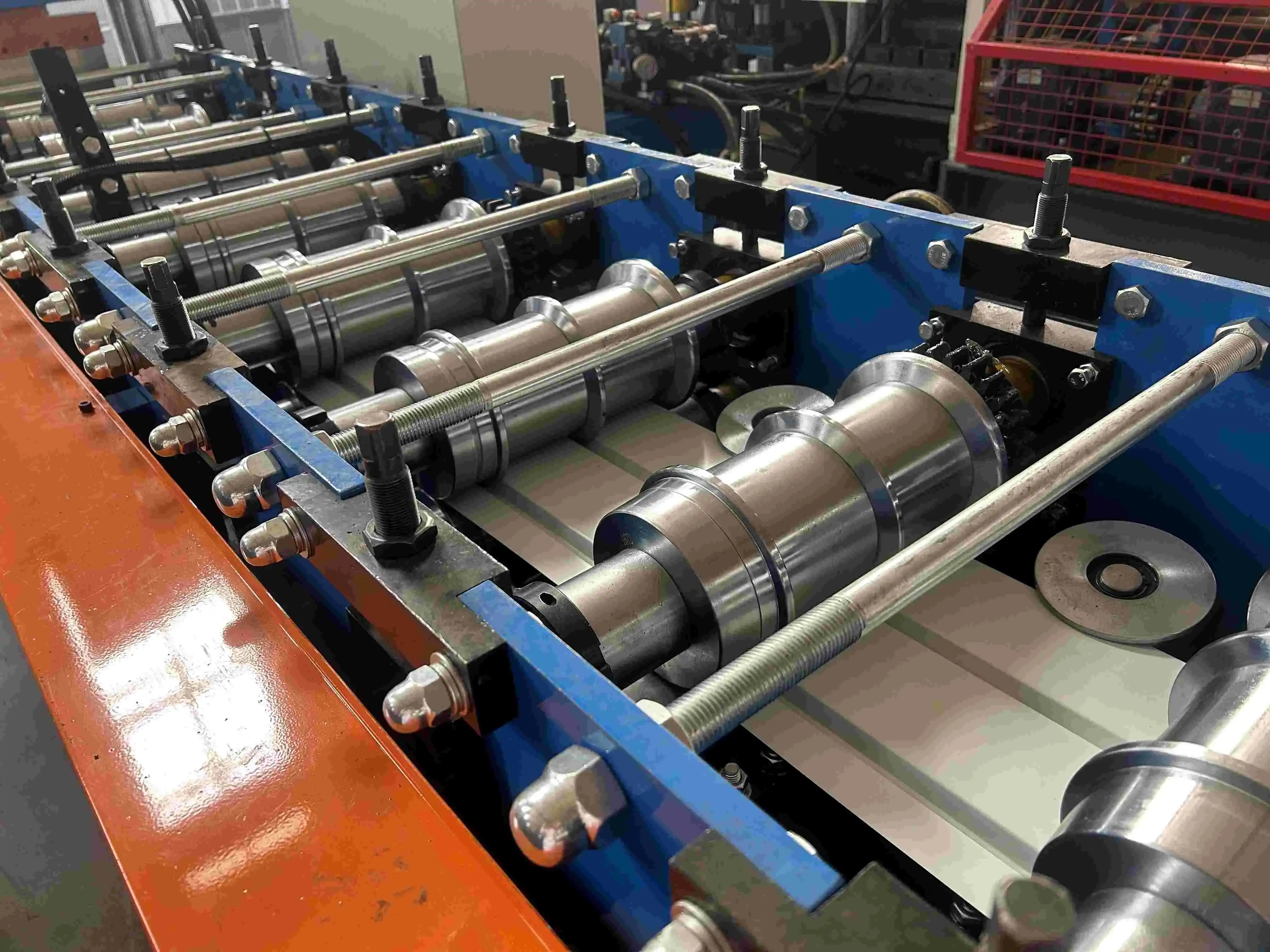
Best Practices for Enhancing Machine Longevity and Efficiency
Equipment longevity depends heavily on operational practices that minimize unnecessary stress while maximizing productive output. Training programs ensure operators understand proper procedures, while technological integration provides real-time monitoring capabilities that support data-driven maintenance decisions.
Operator Training and Proper Usage Protocols
Comprehensive operator training programs should address material handling procedures, equipment setup protocols, and emergency response procedures. Proper material feeding techniques prevent roller damage, while correct pressure adjustments ensure consistent forming quality without excessive component stress.
Overloading represents a common cause of premature equipment failure across manufacturing operations. Metal wall panel machine specifications include maximum material thickness and yield strength ratings that operators must respect to prevent hydraulic system damage and roller deformation.
Technology Integration for Predictive Maintenance
Advanced monitoring systems utilize sensors and data analytics to predict component failures before they occur. Vibration monitoring, temperature sensors, and pressure transducers provide continuous operational data that sophisticated algorithms analyze to identify developing problems.
IoT connectivity enables remote monitoring capabilities that allow maintenance teams to track equipment performance across multiple production shifts. Real-time data collection supports optimization strategies that balance production speed with component longevity.
These technological advances offer significant value for global manufacturers seeking to optimize production continuity while reducing unexpected maintenance costs. Predictive maintenance systems typically reduce unplanned downtime by 30-50% while extending component replacement intervals.
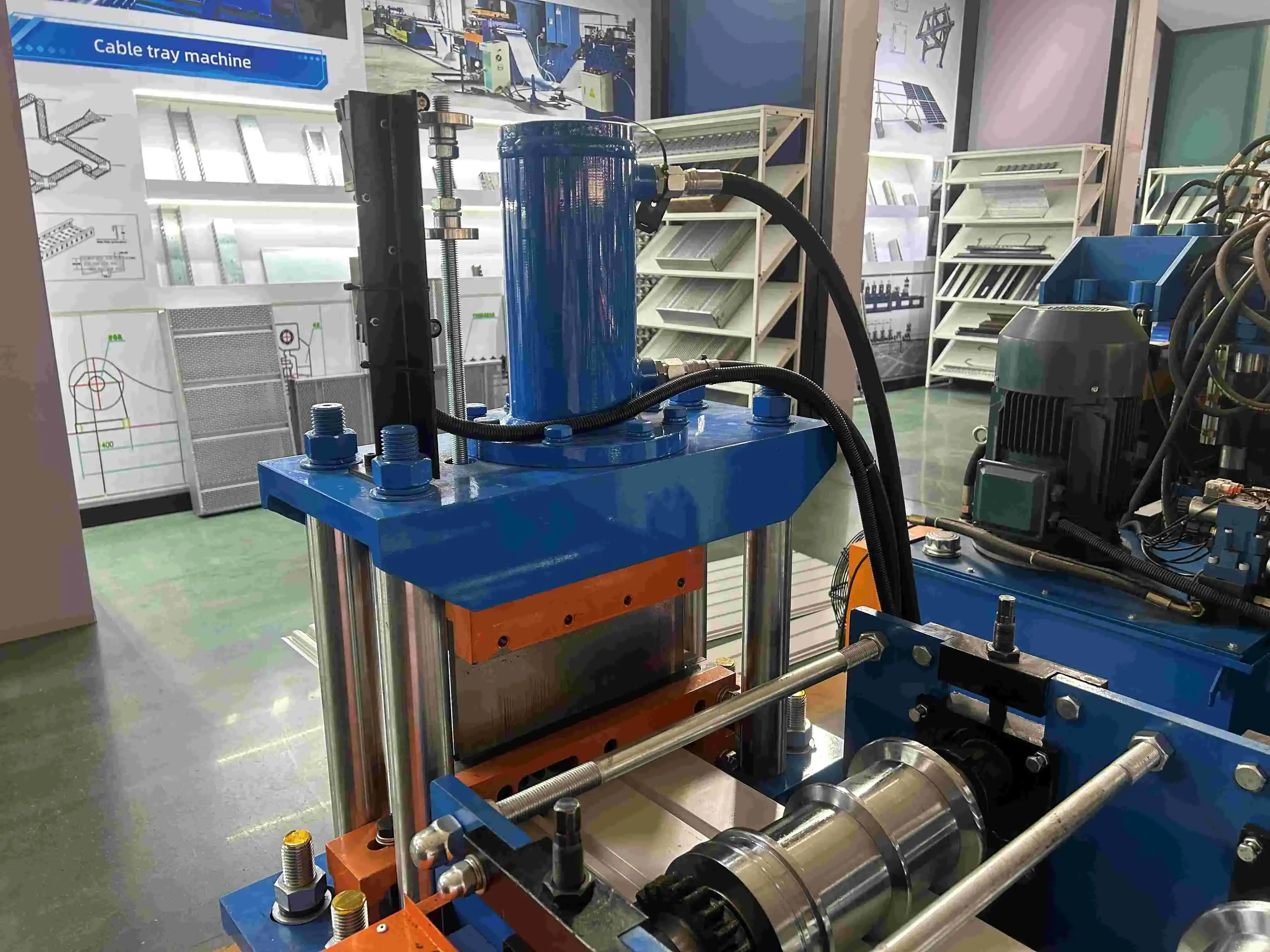
Choosing Reliable Maintenance Partners and Spare Parts Suppliers
Selecting appropriate service providers and parts suppliers for a metal wall panel machine represents a critical decision that affects long-term equipment performance and operational costs. Authorized dealers and original equipment manufacturers typically provide superior support quality compared to generic service providers.
Evaluating Service Provider Credentials
Top-tier maintenance partners demonstrate several distinguishing characteristics that separate them from standard service providers. ISO certification, manufacturer authorization, and documented customer references provide initial screening criteria for potential partners.
Geographic coverage capabilities become particularly important for companies operating multiple production facilities across different regions. Service providers with national or international presence can ensure consistent maintenance quality while simplifying procurement and scheduling procedures.
Sourcing Authentic Replacement Components
Genuine replacement parts maintain equipment warranty compliance while ensuring compatibility with existing system components. Counterfeit parts may appear cost-effective initially, but often fail prematurely and can damage surrounding components, resulting in significantly higher long-term costs.
Metal wall panel machine components require precise specifications that generic alternatives rarely match exactly. Roller hardness ratings, bearing tolerances, and hydraulic component pressure ratings must meet original equipment specifications to maintain optimal performance levels.
Global procurement teams benefit from establishing relationships with verified suppliers who provide transparent certification documentation and reliable delivery schedules. Long-term supply agreements often include favorable pricing structures and priority service arrangements that support operational continuity.
Conclusion
Systematic maintenance protocols ensure metal wall panel machine operations maintain peak efficiency while minimizing unexpected downtime costs. Daily cleaning and lubrication checks, combined with weekly alignment verification and monthly electrical system reviews, create a comprehensive approach that extends equipment life significantly. Annual professional maintenance programs provide deep component analysis that identifies potential issues before they compromise production schedules. Proper troubleshooting techniques, combined with qualified service partnerships and genuine replacement parts, support long-term operational success across diverse manufacturing environments.
FAQ
1. How often should I lubricate my metal wall panel forming equipment?
Daily lubrication checks are essential, with actual lubrication frequency depending on manufacturer specifications and operating conditions. High-production environments may require lubrication every 8-12 hours, while standard operations typically need attention every 24-48 hours. Automatic lubrication systems can extend intervals but still require regular monitoring to ensure proper function.
2. What are the cost benefits of implementing regular maintenance schedules?
Routine maintenance typically costs $3,000-$5,000 annually per machine, but prevents unplanned failures averaging $50,000 per incident. Well-maintained equipment also maintains higher production speeds and better quality consistency, improving overall profitability. Industry studies show that systematic maintenance programs can extend equipment life by 50-75% compared to reactive approaches.
3. When should I contact professional repair services immediately?
Persistent unusual noises, sudden quality degradation, or any safety system malfunction requires immediate professional attention. Hydraulic leaks, electrical sparking, or emergency stop system failures present safety hazards that demand expert intervention. Production inconsistencies that cannot be resolved through standard troubleshooting procedures also indicate the need for professional diagnosis.
4. Can I use generic replacement parts instead of OEM components?
While generic parts may appear cost-effective, they often fail to meet the precise specifications required for optimal performance. Metal wall panel machine components must maintain exact tolerances and material properties to ensure consistent operation. Generic alternatives may void warranties and can cause damage to surrounding components, resulting in higher long-term costs.
5. How do I prevent spring-back issues when processing high-tensile steel?
Professional equipment includes over-bending stations and adjustable forming components specifically designed to counter elastic recovery in high-yield materials. Proper roller adjustment and forming sequence optimization help minimize spring-back effects while maintaining dimensional accuracy across different material specifications.
Partner with ZTRFM for Superior Metal Wall Panel Machine Maintenance Solutions
ZTRFM stands as your trusted metal wall panel machine manufacturer with comprehensive maintenance support that ensures peak operational performance across global installations. Our ISO9001 and CE certified equipment, combined with expert technical guidance, provides the reliability and precision your production demands. Since 2014, we have delivered innovative cold roll forming solutions to over 150 countries, establishing ourselves as a leading industry partner for procurement managers and engineers seeking dependable manufacturing equipment. Our maintenance specialists provide personalized consultation services tailored to your specific equipment requirements and production goals. Contact our technical team at zhongtuorollforming@gmail.com to discuss comprehensive maintenance programs that optimize your equipment investment while minimizing operational disruptions.
References
1. Industrial Machinery Maintenance Standards and Best Practices, American Society of Mechanical Engineers, 2023.
2. Cold Roll Forming Equipment Maintenance Guidelines, International Association of Roll Forming Manufacturers, 2022.
3. Predictive Maintenance Technologies for Metal Forming Equipment, Journal of Manufacturing Science and Engineering, 2023.
4. Equipment Reliability and Maintenance Cost Analysis in Metal Processing Industries, Manufacturing Engineering Research Institute, 2022.
5. Quality Assurance Protocols for Metal Wall Panel Production Systems, Construction Industry Research Foundation, 2023.
6. Global Survey of Industrial Equipment Maintenance Practices and Economic Impact, International Manufacturing Technology Association, 2022.
_1750323743240.webp)