- English
- French
- German
- Portuguese
- Spanish
- Russian
- Japanese
- Korean
- Arabic
- Irish
- Greek
- Turkish
- Italian
- Danish
- Romanian
- Indonesian
- Czech
- Afrikaans
- Swedish
- Polish
- Basque
- Catalan
- Esperanto
- Hindi
- Lao
- Albanian
- Amharic
- Armenian
- Azerbaijani
- Belarusian
- Bengali
- Bosnian
- Bulgarian
- Cebuano
- Chichewa
- Corsican
- Croatian
- Dutch
- Estonian
- Filipino
- Finnish
- Frisian
- Galician
- Georgian
- Gujarati
- Haitian
- Hausa
- Hawaiian
- Hebrew
- Hmong
- Hungarian
- Icelandic
- Igbo
- Javanese
- Kannada
- Kazakh
- Khmer
- Kurdish
- Kyrgyz
- Latin
- Latvian
- Lithuanian
- Luxembou..
- Macedonian
- Malagasy
- Malay
- Malayalam
- Maltese
- Maori
- Marathi
- Mongolian
- Burmese
- Nepali
- Norwegian
- Pashto
- Persian
- Punjabi
- Serbian
- Sesotho
- Sinhala
- Slovak
- Slovenian
- Somali
- Samoan
- Scots Gaelic
- Shona
- Sindhi
- Sundanese
- Swahili
- Tajik
- Tamil
- Telugu
- Thai
- Ukrainian
- Urdu
- Uzbek
- Vietnamese
- Welsh
- Xhosa
- Yiddish
- Yoruba
- Zulu
Material Choices for Metal Wall Panel Machines: Which Coil Works Best?
When it comes to manufacturing metal wall panels, selecting the right coil material is crucial for ensuring durability, aesthetics, and performance. As industry leaders in metal wall panel machine production, we at Cangzhou Zhongtuo Roll Forming Machinery Co., Ltd. understand the importance of choosing the optimal feedstock for your projects. In this comprehensive guide, we'll explore the various material options available and help you determine which coil works best for your specific needs.
Which coil types are best for wall panels: Galvanized, Galvalume, or Aluminum?
The choice of coil material significantly impacts the quality and longevity of your metal wall panels. Let's examine the three most popular options:
1. Galvanized Steel
Galvanized steel is a widely used material for metal wall panels due to its excellent corrosion resistance and cost-effectiveness. The zinc coating provides a protective layer that shields the underlying steel from rust and degradation.
Advantages of galvanized steel:
- Superior corrosion resistance
- Cost-effective option
- Good formability for various panel designs
- Suitable for both interior and exterior applications
2. Galvalume
Galvalume, a combination of zinc and aluminum coating on steel, offers enhanced corrosion protection compared to traditional galvanized steel. This material is particularly well-suited for coastal or industrial environments where corrosion resistance is paramount.
Benefits of Galvalume:
- Exceptional corrosion resistance, especially in harsh environments
- Improved heat reflectivity, contributing to energy efficiency
- Longer lifespan compared to galvanized steel
- Aesthetically pleasing, with a distinctive spangle pattern
3. Aluminum
Aluminum coils are lightweight and naturally corrosion-resistant, making them an excellent choice for architectural applications where weight is a concern. While generally more expensive than steel options, aluminum offers unique benefits that may justify the cost for certain projects.
Advantages of aluminum:
- Lightweight, reducing structural load requirements
- Naturally corrosion-resistant without additional coatings
- Excellent formability for intricate panel designs
- High recyclability, appealing to environmentally conscious clients
When selecting a coil type for your metal wall panel machine, consider factors such as the intended application, environmental conditions, budget constraints, and desired aesthetic appearance. Each material has its strengths, and the optimal choice depends on your specific project requirements.
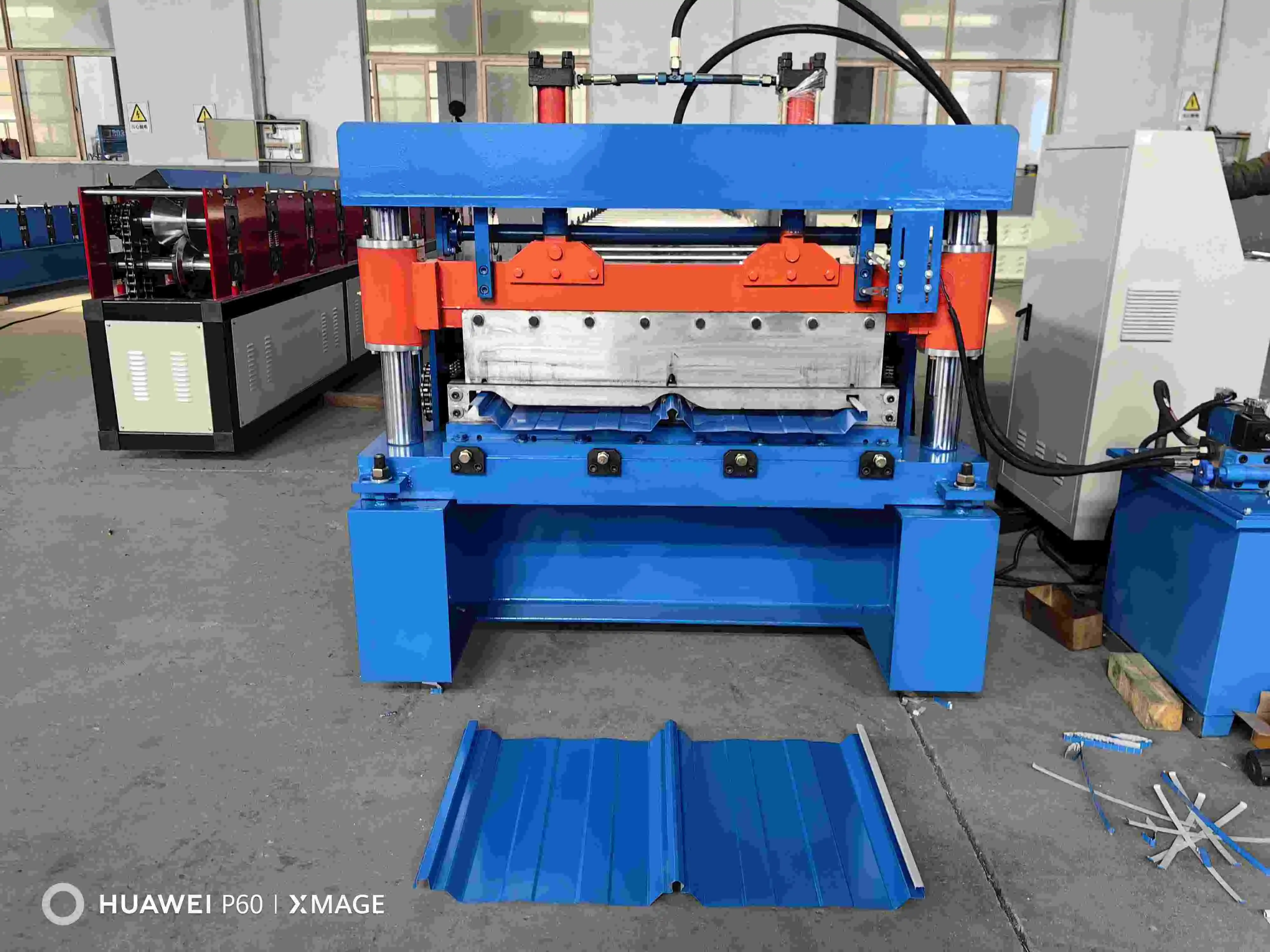
Coating, thickness and formability — selecting the right feedstock
Beyond the base material, several other factors play crucial roles in determining the ideal coil for your metal wall panels:
Coating Options
The coating applied to your metal coil significantly impacts both aesthetics and performance. Common coating options include:
- Polyester: A cost-effective option suitable for interior applications
- PVDF (Polyvinylidene Fluoride): Offers superior color retention and chalking resistance, ideal for exterior use
- SMP (Silicone-Modified Polyester): Provides a balance between performance and cost
- Plastisol: Highly durable and resistant to scratches, suitable for harsh environments
When choosing a coating, consider factors such as UV resistance, chemical resistance, and color stability to ensure your panels maintain their appearance and performance over time.
Thickness Considerations
The thickness of your metal coil affects both the structural integrity and formability of your wall panels. Typical thickness ranges for metal wall panels include:
- 24-26 gauge (0.024" - 0.018"): Suitable for most residential and light commercial applications
- 22 gauge (0.030"): Offers increased durability for commercial and industrial use
- 20 gauge (0.036") and thicker: Provides maximum strength for high-performance applications
When selecting coil thickness, balance the need for strength with the capabilities of your metal wall panel machine and the specific requirements of your project.
Formability and Panel Design
The formability of your chosen coil material directly impacts the complexity of panel designs you can achieve. Consider the following aspects:
- Yield strength: Lower yield strength materials are generally easier to form into complex shapes
- Ductility: Higher ductility allows for sharper bends and more intricate profiles
- Surface hardness: Softer materials may be more prone to scratching during the forming process
Consult with your metal wall panel machine manufacturer to ensure your chosen material is compatible with the desired panel profile and forming process.

How does material choice affect corrosion resistance and paint performance?
The longevity and appearance of your metal wall panels depend heavily on their ability to withstand environmental factors and maintain their aesthetic appeal. Let's explore how material choice influences these critical aspects:
Corrosion Resistance
Different materials and coatings offer varying levels of corrosion protection:
- Galvanized Steel: The zinc coating sacrificially corrodes to protect the underlying steel, providing good overall protection
- Galvalume: The aluminum in the coating forms a passive oxide layer, offering superior long-term corrosion resistance compared to galvanized steel
- Aluminum: Naturally forms a protective oxide layer, making it highly resistant to corrosion without additional treatments
For enhanced corrosion protection, consider these additional measures:
- Edge sealants: Apply to cut edges to prevent moisture ingress
- Barrier coatings: Use specialized primers to improve adhesion and corrosion resistance
- Sacrificial coatings: Incorporate zinc-rich primers for additional protection in harsh environments
Paint Adhesion and Performance
The base material and surface preparation significantly impact paint adhesion and long-term performance:
- Surface cleanliness: Ensure coils are free from oils, debris, and oxidation before painting
- Chemical pretreatment: Apply phosphate or chromate conversion coatings to improve paint adhesion
- Primer selection: Choose primers compatible with both the substrate and topcoat for optimal performance
When selecting coil material for your metal wall panel machine, consider these factors to ensure optimal paint performance:
- Thermal expansion: Choose materials with similar expansion rates to the paint to prevent cracking or peeling
- Flexibility: Ensure the paint system can withstand the forming process without compromising adhesion
- UV resistance: Select coatings designed to resist fading and chalking in exterior applications
By carefully considering these factors, you can select a coil material that not only performs well in your metal wall panel machine but also provides long-lasting protection and aesthetics for your finished panels.

Frequently Asked Questions
Q1: How do I determine the right gauge for my metal wall panels?
A: The appropriate gauge depends on factors such as the panel profile, structural requirements, and local building codes. Generally, 24-26 gauge is suitable for residential and light commercial use, while 22 gauge and thicker are preferred for commercial and industrial applications. Consult with a structural engineer or your metal wall panel machine manufacturer for specific recommendations based on your project needs.
Q2: Can I use the same coil material for both interior and exterior wall panels?
A: While some materials like galvanized steel can be used for both interior and exterior applications, it's often best to choose materials specifically designed for each environment. Exterior panels typically require more durable coatings and corrosion-resistant materials to withstand weathering, UV exposure, and potential pollutants. Interior panels may prioritize aesthetics and cost-effectiveness over weather resistance.
Q3: How does coil material choice affect the energy efficiency of wall panels?
A: The material and coating of your wall panels can significantly impact energy efficiency. Reflective coatings on materials like Galvalume can help reduce heat absorption, lowering cooling costs. Additionally, the thermal mass of the panel material affects heat transfer rates. Consider incorporating insulation or choosing thermally efficient panel designs to further enhance energy performance.

Choose the Right Metal Wall Panel Machine for Your Material | ZTRFM
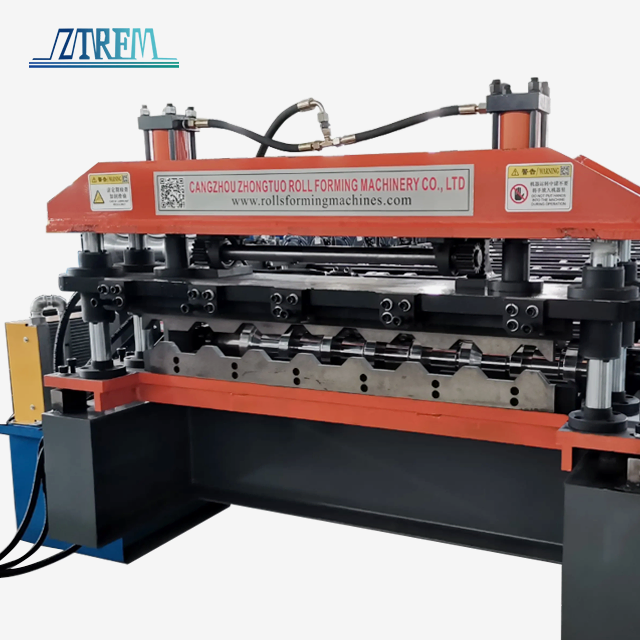
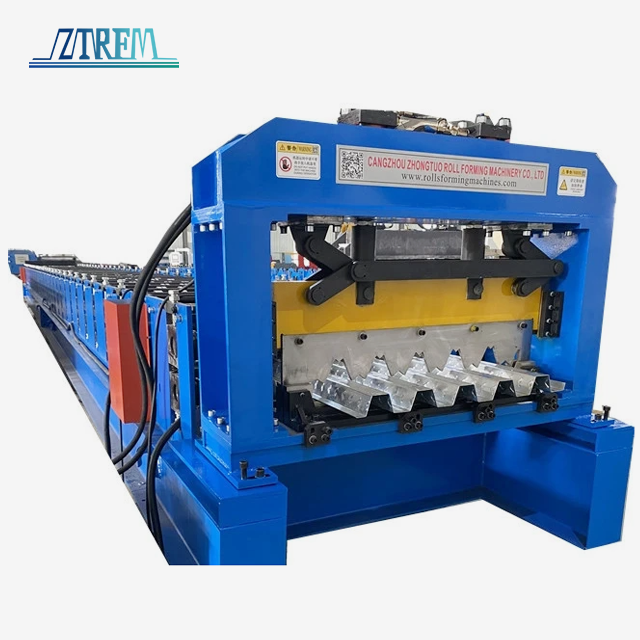
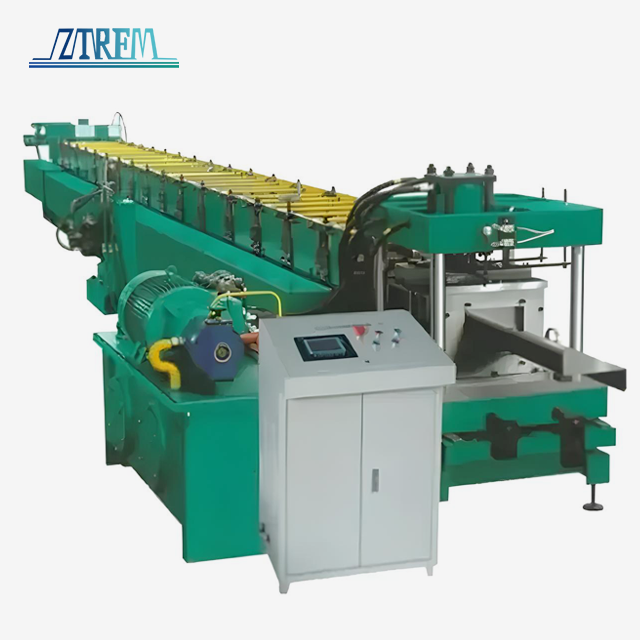
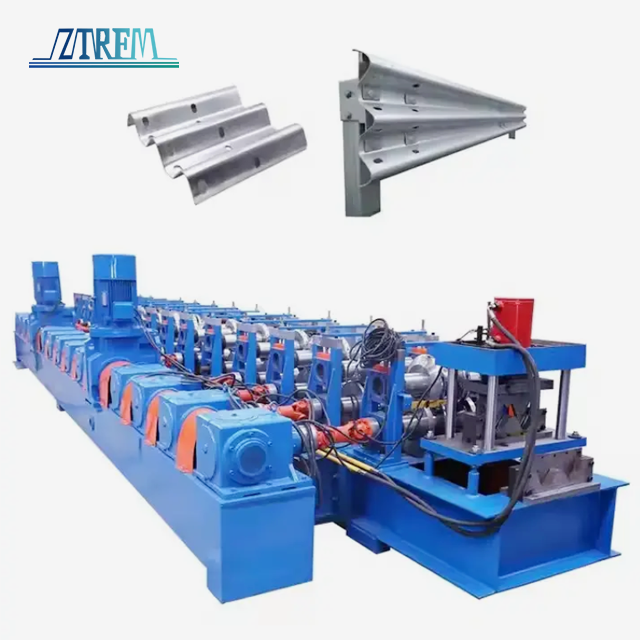
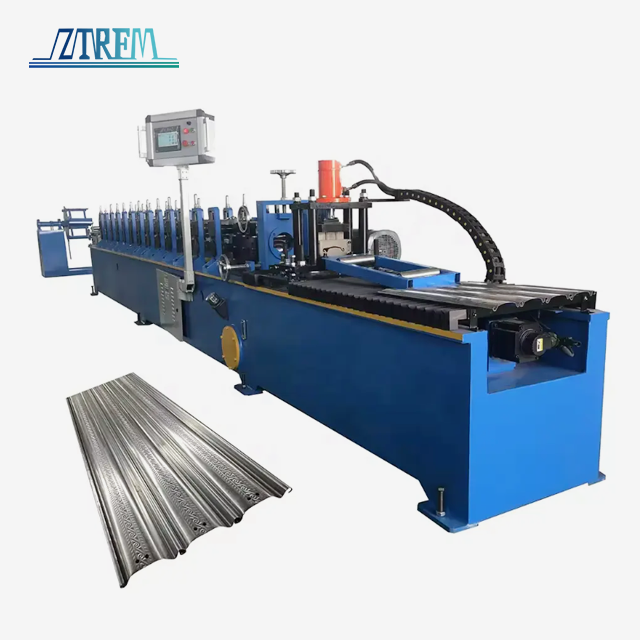
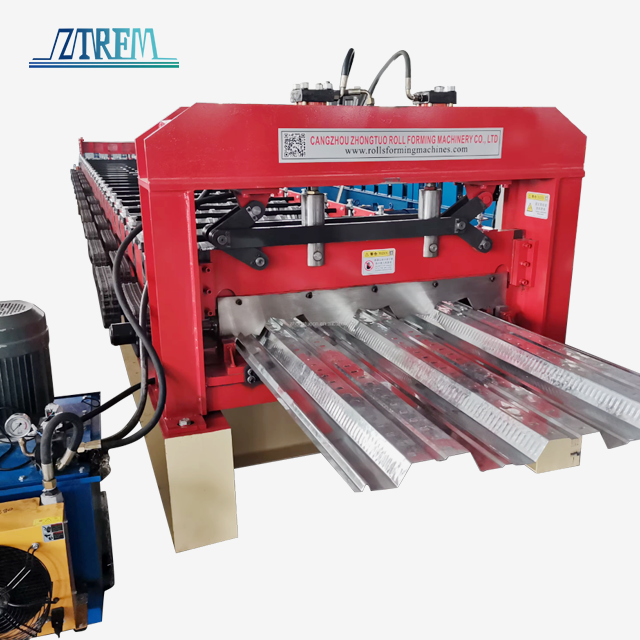
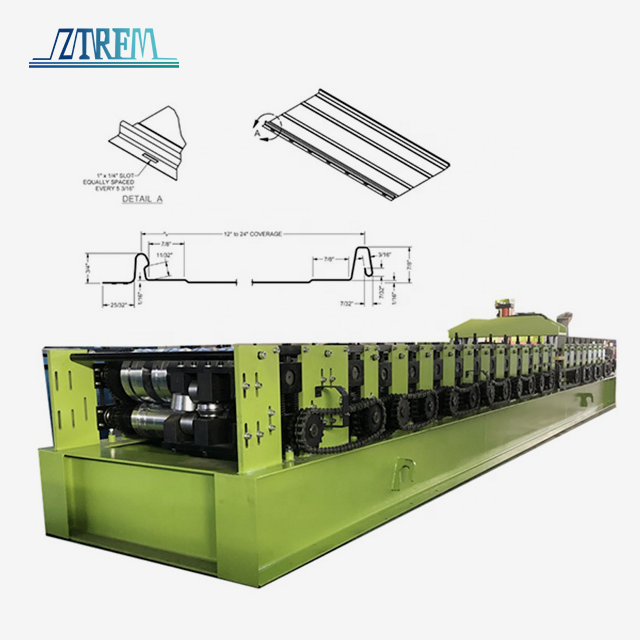
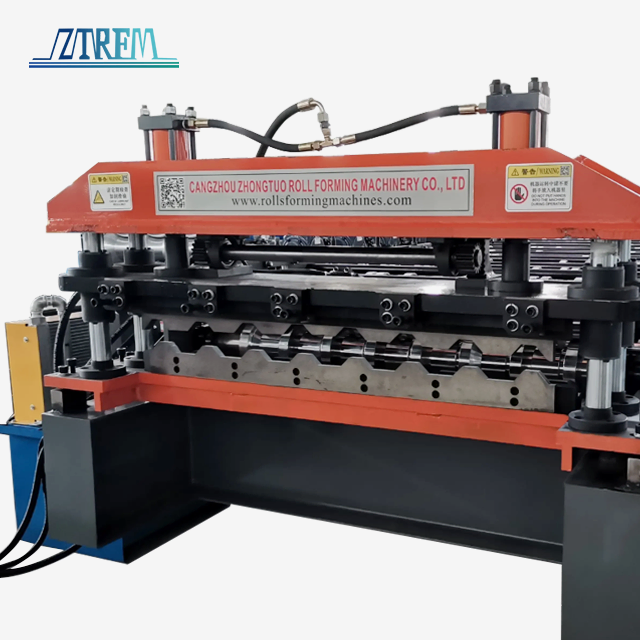
Selecting the optimal coil material is just the first step in producing high-quality metal wall panels. To ensure your chosen material is processed efficiently and effectively, you need a reliable and versatile metal wall panel machine. At Cangzhou Zhongtuo Roll Forming Machinery Co., Ltd., we offer state-of-the-art roll forming equipment designed to handle a wide range of materials and panel profiles.
Our expert team can help you select the perfect machine configuration to match your specific material choices and production requirements. With our ISO 9001 certified quality management system, CE safety certification, and extensive global experience, you can trust ZTRFM to deliver superior roll forming solutions for your metal wall panel production needs.
Ready to optimize your metal wall panel production? Contact us today at coo@zhongtuocn.com to discuss your project requirements and discover how our advanced metal wall panel machines can elevate your manufacturing process. Let's work together to create durable, aesthetically pleasing, and high-performance metal wall panels that meet the demands of today's construction industry.
References
1. Smith, J. (2022). Advancements in Metal Wall Panel Materials and Coatings. Journal of Architectural Engineering, 28(3), 145-159.
2. Johnson, R., & Brown, T. (2021). Comparative Analysis of Galvanized Steel and Galvalume in Coastal Environments. Corrosion Science, 176, 109011.
3. Garcia, M., et al. (2023). Energy Efficiency Improvements Through Innovative Metal Wall Panel Designs. Building and Environment, 228, 109081.
4. Thompson, L. (2022). Long-Term Performance of PVDF Coatings on Metal Wall Panels: A 20-Year Field Study. Progress in Organic Coatings, 162, 106585.