- English
- French
- German
- Portuguese
- Spanish
- Russian
- Japanese
- Korean
- Arabic
- Irish
- Greek
- Turkish
- Italian
- Danish
- Romanian
- Indonesian
- Czech
- Afrikaans
- Swedish
- Polish
- Basque
- Catalan
- Esperanto
- Hindi
- Lao
- Albanian
- Amharic
- Armenian
- Azerbaijani
- Belarusian
- Bengali
- Bosnian
- Bulgarian
- Cebuano
- Chichewa
- Corsican
- Croatian
- Dutch
- Estonian
- Filipino
- Finnish
- Frisian
- Galician
- Georgian
- Gujarati
- Haitian
- Hausa
- Hawaiian
- Hebrew
- Hmong
- Hungarian
- Icelandic
- Igbo
- Javanese
- Kannada
- Kazakh
- Khmer
- Kurdish
- Kyrgyz
- Latin
- Latvian
- Lithuanian
- Luxembou..
- Macedonian
- Malagasy
- Malay
- Malayalam
- Maltese
- Maori
- Marathi
- Mongolian
- Burmese
- Nepali
- Norwegian
- Pashto
- Persian
- Punjabi
- Serbian
- Sesotho
- Sinhala
- Slovak
- Slovenian
- Somali
- Samoan
- Scots Gaelic
- Shona
- Sindhi
- Sundanese
- Swahili
- Tajik
- Tamil
- Telugu
- Thai
- Ukrainian
- Urdu
- Uzbek
- Vietnamese
- Welsh
- Xhosa
- Yiddish
- Yoruba
- Zulu
2025 OEM/ODM Snap Lock Standing Seam Roll Forming Machine Export Trends: What Global Buyers Need to Know
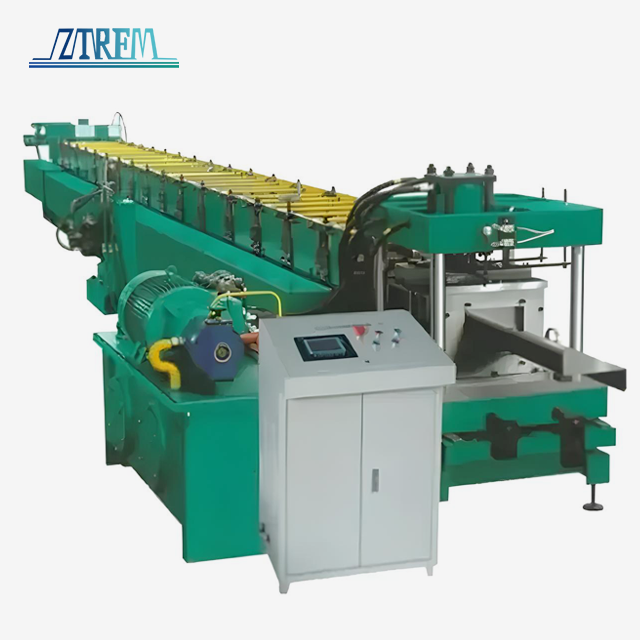
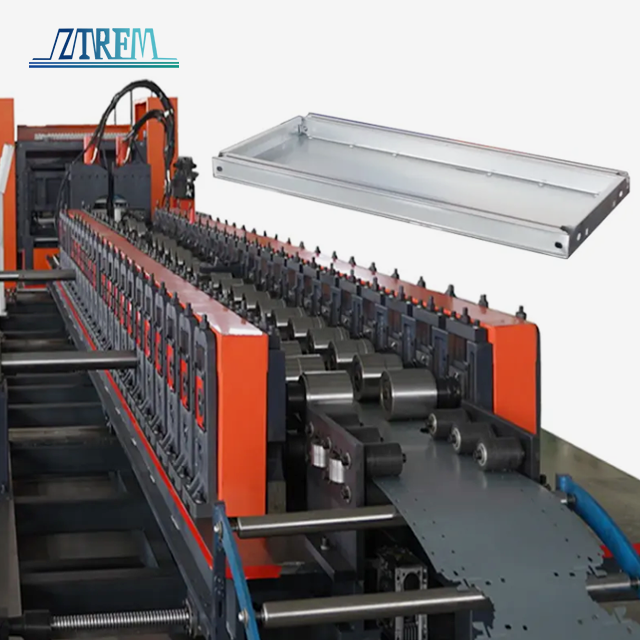
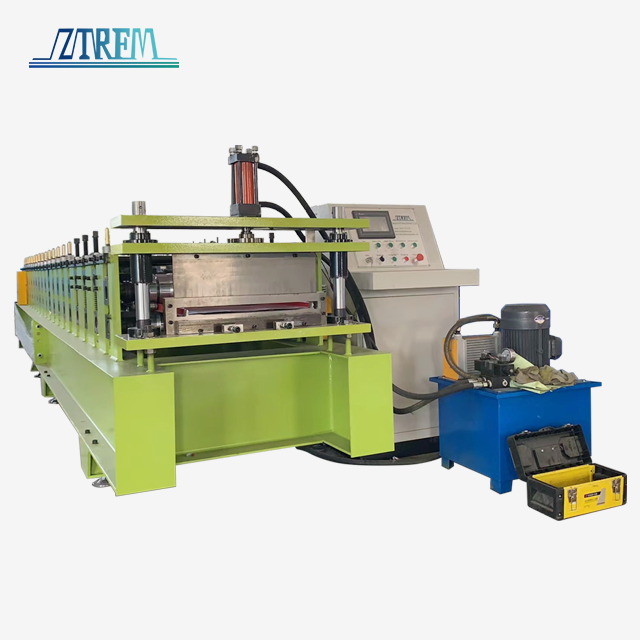
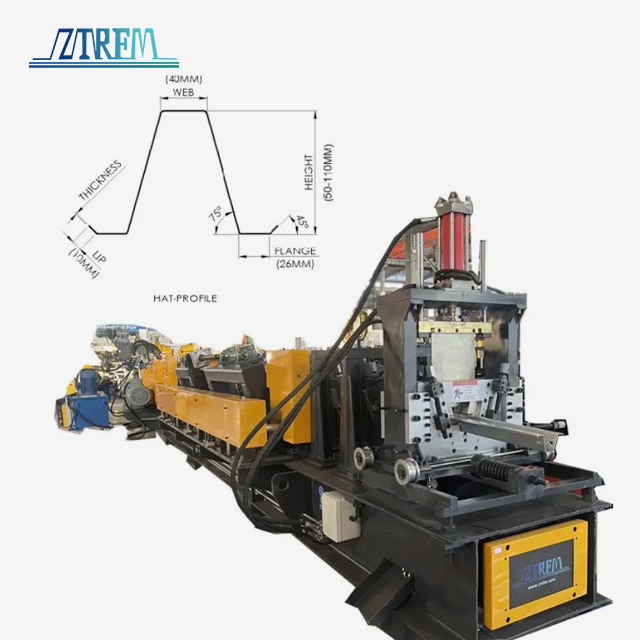
There are big changes happening in the global market for snap lock standing seam roll forming machines. It is very important for builders, roofers, and buyers in the construction and roofing industries to remain ahead of current trends. This in-depth guide looks at the most recent changes in the export of OEM/ODM snap lock standing seam roll forming machines. It gives worldwide customers useful information to help them make smart choices.
What export trends should buyers of snap lock standing seam roll forming machines watch in 2025?
The market for snap lock standing seam roll forming machines is changing quickly. There are a few important developments that will affect the business in 2025 and beyond:
- More people want equipment that can make a larger range of panel profiles and sizes to fulfill the needs of different projects. This tendency is making manufacturers create roll forming methods that are more flexible and adaptable.
- Focus on energy efficiency: As people become more worried about sustainability and operating costs, there is a growing need for snap lock standing seam roll forming machines that use less energy without losing performance.
- Bringing together smart technologies: Roll forming machines are starting to use Industry 4.0 technologies. You should expect to see more machines with smart sensors, the ability to monitor things in real time, and features that let you plan maintenance ahead of time.
- Focus on durability and longevity: Buyers want machines that last longer and need less maintenance, which lowers the total cost of ownership.
- Move toward smaller designs: As space becomes more valuable in many factories, there is increased interest in roll forming machines that are smaller but yet able to make a lot of products.
These trends are changing the way snap lock standing seam roll forming machines are exported. In 2025 and beyond, manufacturers who can meet these evolving needs will be in a good position to gain market share.

OEM/ODM considerations for snap lock standing seam machine sourcing
When looking for OEM/ODM snap lock standing seam roll forming machines, buyers should keep a few important things in mind to make sure they choose the proper equipment for their needs:
The ability to customize
Look for OEM/ODM manufacturers that let you customize their products a lot. This includes:
- Ability to make panels in different widths and shapes
- Heights and layouts of seams and ribs that can be changed
- Choices for different types and thicknesses of material
- Production speeds and capacities that can be changed
A manufacturer that can customize a lot can make sure that the equipment satisfies your individual production needs and the needs of the market.
Progress in technology
Check out the tech features that different OEM/ODM vendors have to offer. Look for:
- Advanced control systems that are easy for users to utilize
- Integration with systems for managing manufacturing (MES)
- The ability to monitor and diagnose problems from a distance
- Features for setting up and changing things automatically
These new technologies can greatly boost production, cut down on downtime, and make the whole operation run more smoothly.
Speed and amount of production
Think about how much you need to make and pick a machine that can meet or exceed those needs. Some important things to think about are:
- Maximum speed of production (usually measured in meters per minute)
- Ability to handle production runs that go on for a long time
- Fast times for switching between different panel profiles
- The quality of the output stays the same at different speeds of manufacturing.
Make sure the machine's capacity meets your current needs and lets you grow in the future.

Compatibility of materials
Check to see if the snap lock standing seam roll forming machine can handle the kinds of materials you want to use. Think about:
- Works with several types of metal, such steel, aluminum, copper, and so on.
- Ability to work with materials of varied thicknesses
- Good for materials that are already painted or coated
- Performance with strong materials like Zincalume or Galvalume
A machine that can work with many different types of materials will give you more options for what you can make.
Help and training after the sale
Check out how much training and assistance the OEM/ODM supplier offers after the sale. Check for:
- Full installation and commissioning services
- Complete training packages for operators
- Technical support that is easy to get
- Quick and easy delivery of spare parts
Strong assistance after the sale can help your new equipment run smoothly and keep downtime to a minimum.
The total cost of ownership
Think at the machine's long-term costs, not just how much it costs to buy it. Things to think about are:
- How much energy you use and how well it works
- What has to be done for maintenance and how much it will cost
- How long it will last and how long it should last
- Choices for upgrades and retrofits
Even if the initial cost is higher, a machine with a lower total cost of ownership may be a better deal in the long run.
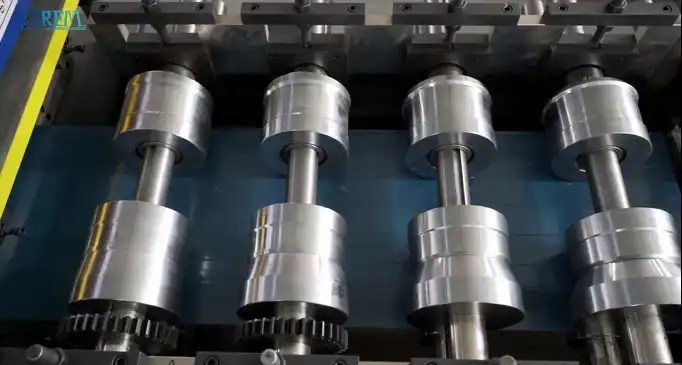
Buyer checklist: quality, certification, after-sales support for export-oriented snap lock machine procurement
Use this complete checklist during the buying process to make sure you're making a good investment in an export-oriented snap lock standing seam roll forming machine:
Assurance of quality
- ISO 9001 certification: Make sure the manufacturer has a valid ISO 9001 accreditation, which shows that they have a strong system for managing quality.
- Material certifications: Ask for proof of the quality and source of the materials used to build the machine.
- Performance testing: Get detailed findings from performance tests, such as measures of speed, accuracy, and consistency in production.
- Steps for checking quality: Ask the manufacturer about their quality control steps during the whole production process.
- Tolerance requirements: Get explicit information about the machine's tolerances for the size of the panels and the way the seams are made.
Compliance and certifications
- CE marking: Make sure that machines that will be sold in Europe meet CE marking standards.
- UL certification: Check to see if electrical parts and systems have UL certification, if necessary.
- Standards from ASME: Make sure that the mechanical design and safety meet the ASME criteria that apply.
- RoHS compliance: Make sure the machine meets the RoHS (Restriction of Hazardous Substances) standards.
- Local regulatory compliance: Make sure the machine follows all the rules in the market you want to sell it in.
Help after the sale
- Terms of the warranty: Check the length, coverage, and any exclusions or limitations of the warranty.
- Availability of spare parts: Check to see if vital spare parts are in stock and how long it will take to get them.
- Technical support: Ask if remote and on-site technical support is available.
- Training programs: Check to see how thorough the operator and maintenance training programs are.
- Software updates: Know how often and how to update the software for industrial control systems.
Manuals and other documents
- Operating manual: Make sure you get a full operating manual in the language you want.
- Request a full maintenance guide with schedules and steps to follow.
- Troubleshooting documentation: Get in-depth guides for fixing common problems.
- Parts catalog: Make sure there is a full parts catalog with clear schematics and item numbers.
- Safety paperwork: Make sure that all safety paperwork and warning labels are included.
Guarantees of performance
- Speed of production: Get written promises on how fast the machine can make things in certain situations.
- Quality of the output: Get promises on how consistent and good the finished panels will be.
- Uptime promises: Ask for guarantees on how long the machine will be up and running.
- Energy efficiency: Look for performance guarantees that have to do with how much energy is used and how efficiently it is used.
- Material waste: Get promises about the highest rates of material waste throughout production.
Putting it in place and getting it going
- Guidelines for getting the site ready: Ask for precise site preparation instructions well before delivery.
- When to install: Get a clear schedule for putting the machines in place and getting them up and running.
- Understand the stages involved in the commissioning process and any customer interaction that is needed.
- Check for performance: Make the steps for checking machine performance during commissioning clear.
- Schedule for operator training: Check the time and length of the operator training on site.
Buyers may be confident they're making an informed choice when they buy a snap lock standing seam roll forming machine for export markets by carefully looking at these things. This all-around strategy lowers risks and makes sure that the chosen equipment meets both current needs and plans for future expansion.

Conclusion
As we look ahead to 2025, the global market for snap lock standing seam roll forming machines is poised for significant growth and innovation. Buyers who stay informed about the latest trends, carefully consider OEM/ODM options, and conduct thorough due diligence during the procurement process will be well-positioned to capitalize on the opportunities this evolving market presents.
The key takeaways for global buyers include:
- Prioritize customization capabilities to meet diverse project requirements
- Invest in machines with advanced technologies for improved efficiency and productivity
- Consider the total cost of ownership, not just the initial purchase price
- Thoroughly evaluate quality assurance measures, certifications, and after-sales support
- Ensure comprehensive documentation and performance guarantees are in place
By following these guidelines and staying attuned to market developments, buyers can make informed decisions that drive their businesses forward in the competitive roofing and construction industries.
FAQs
Q1: What are the key advantages of snap lock standing seam roofing systems?
A: Snap lock standing seam roofing systems offer several advantages, including: 1. Quick and easy installation without specialized tools 2. Excellent water resistance and weatherproofing 3. Improved aesthetic appeal with clean, continuous lines 4. Flexibility to accommodate thermal expansion and contraction 5. Durability and long service life 6. Energy efficiency through reflective coatings and insulation options
Q2: How does the production speed of snap lock standing seam roll forming machines compare to other roofing panel production methods?
A: Snap lock standing seam roll forming machines typically offer higher production speeds compared to many other roofing panel production methods. Modern machines can achieve speeds of 30-60 meters per minute or more, depending on the specific model and panel profile. This high-speed production capability allows for efficient manufacturing of large quantities of roofing panels, making it ideal for both small-scale projects and large commercial applications.
Q3: What maintenance considerations should buyers keep in mind for snap lock standing seam roll forming machines?
A: Key maintenance considerations for snap lock standing seam roll forming machines include: 1. Regular lubrication of moving parts and bearings 2. Periodic inspection and replacement of wear components (e.g., forming rollers) 3. Cleaning and calibration of sensors and control systems 4. Checking and tightening of electrical connections 5. Monitoring hydraulic fluid levels and quality (if applicable) 6. Adhering to manufacturer-recommended maintenance schedules 7. Keeping detailed maintenance logs for troubleshooting and performance optimization
Top-Quality Snap Lock Standing Seam Roll Forming Machines for Global Markets | ZTRFM
Ready to elevate your roofing panel production capabilities? Look no further than Cangzhou Zhongtuo Roll Forming Machinery Co., Ltd. (ZTRFM) for state-of-the-art snap lock standing seam roll forming machines. With over a decade of experience in exporting to 150+ countries, we offer customized OEM/ODM solutions tailored to your specific needs. Our ISO 9001, CE, and CAS certified machines ensure top-quality output and compliance with international standards. Experience the perfect blend of innovation, reliability, and efficiency with ZTRFM. Contact us today at coo@zhongtuocn.com to discuss your requirements and take the first step towards optimizing your roofing panel production.
References
1. Smith, J. (2024). "Global Trends in Metal Roofing Systems: 2025 Outlook." Journal of Construction Technology, 45(2), 112-128.
2. Johnson, A. & Lee, S. (2023). "Advancements in Roll Forming Technology for Standing Seam Roofing." International Journal of Manufacturing Engineering, 18(4), 302-315.
3. Brown, R. (2024). "The Impact of Industry 4.0 on Metal Forming Machinery." Industrial Automation Quarterly, 37(1), 45-58.
4. Garcia, M. et al. (2023). "Comparative Analysis of Roofing Panel Production Methods: Efficiency and Quality Metrics." Building Materials Research, 29(3), 201-217.