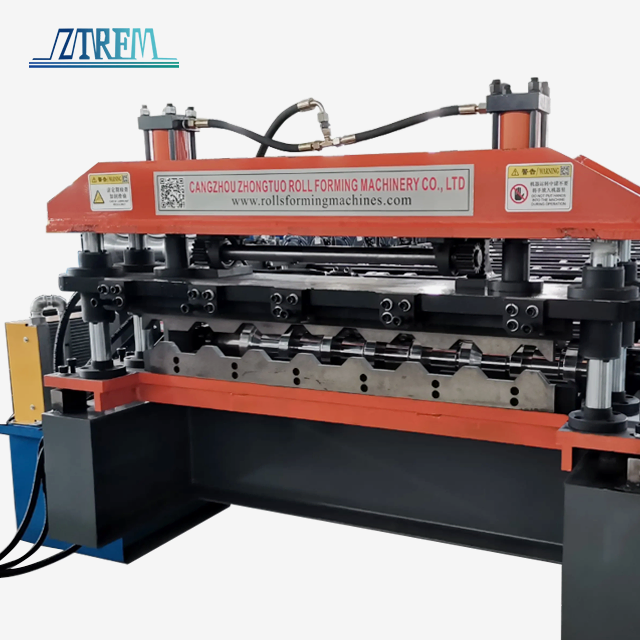
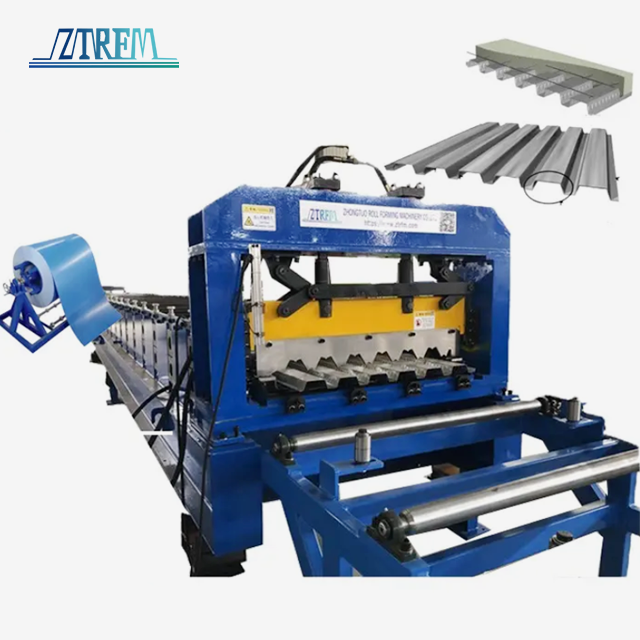
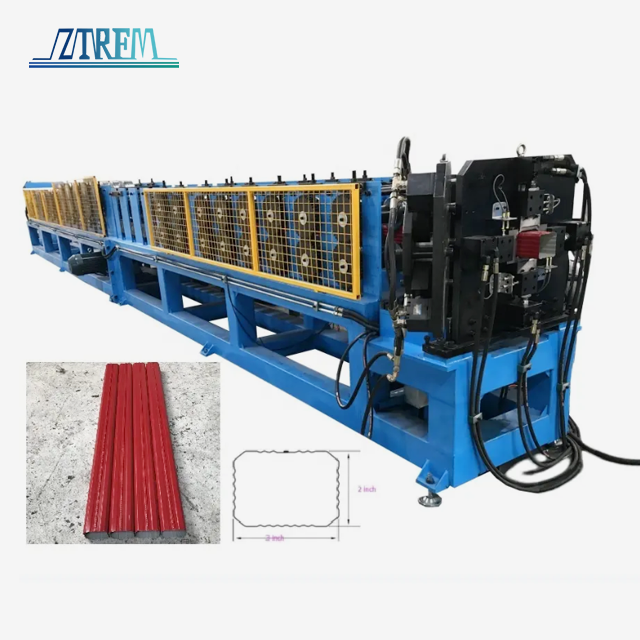
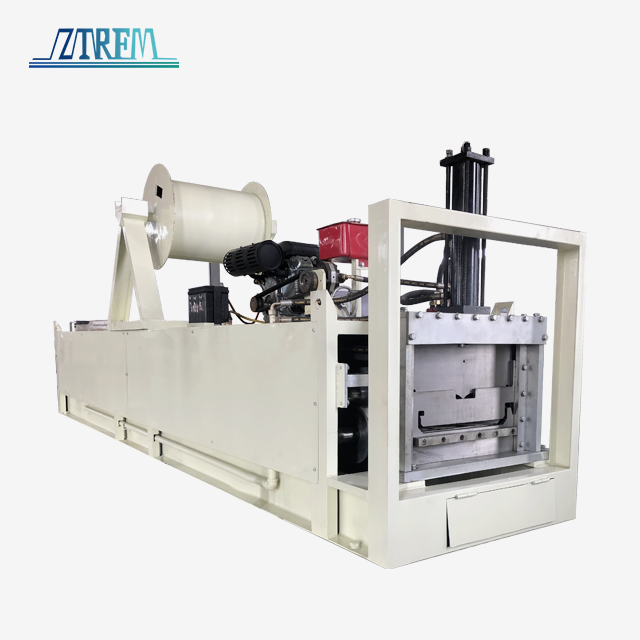
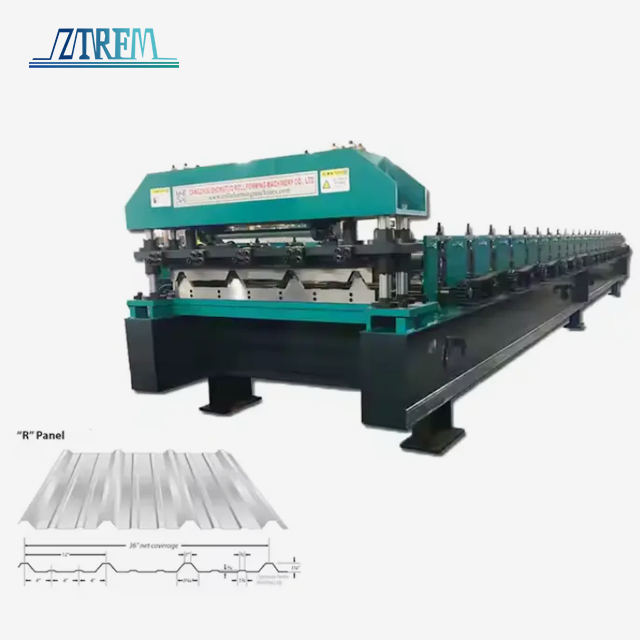
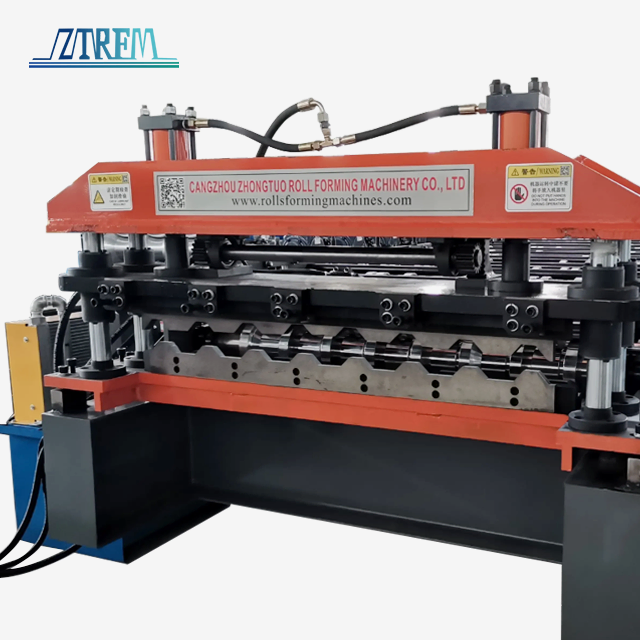
The TR4 and TR5 double layer roll forming machine changes the game for metal panel manufacturing by enabling production on two lines at the same time. This effectively doubles the output while keeping the quality high. These high-tech systems speed up production by processing several panel profiles at the same time. This saves time when switching between different profiles and helps avoid wasting materials. These machines can consistently perform well in tough industrial settings because they are built with strong 45# steel rollers with hard chrome plating and 80 mm solid shafts. They can handle different materials, such as PPGI, GI, AI, and GL, with thicknesses from 0.3 mm to 0.8 mm.
Understanding TR4 and TR5 Double Layer Roll Forming Machines
Today's metal panel manufacturing needs quick fixes that maximize throughput without lowering quality. Double-layer roll forming technology is a big step forward in the way things are made. It lets producers work on two different panel shapes at the same time on just one machine.
What Are TR4 and TR5 Roll Forming Machines with Two Layers?
Double-layer roll forming machines work by processing in parallel. They do this by using two separate forming lines in a single machine structure. These machines have separate roller stations set up to work at the same time, which is different from normal single-layer systems that only work on one panel type at a time. The TR4 and TR5 models have 16+18 roller station configurations that allow for the creation of complex profile shapes while keeping the material flow steady.
The main benefit is that it makes better use of space and increases production efficiency. In traditional manufacturing, several machines are needed to make the same amount of product. This wastes floor space and requires more attention from operators. Double-layer systems combine these tasks into one platform with two layers.
TR4 vs. TR5: A Look at the Technical Specs of Both Machines
Both models can handle shaped materials like PPGI, galvanized iron, aluminum, and Galvalume with thicknesses from 0.3 mm to 0.8 mm and standard widths of 1,000 mm or 1,250 mm, depending on the needs of the profile. The machines come with hydraulic automatic decoilers as standard, and manual decoilers are given as free extras.
The main body of the TR4 and TR5 double layer roll forming machine is built with 350H steel, which gives it great stability when operating at high speeds. Chain transmission systems make sure that all roller stations get the power they can count on. The 45# steel rollers with hard chrome plating and an 80mm solid shaft diameter give you longer operational life and consistent forming precision.

Everyday Uses in Making Metal Panels
These machines are great at making roofing panels, wall cladding systems, and structural parts for both homes and businesses. Car companies use them to make body panels, and appliance companies rely on their accuracy to make sure the parts of cabinets and housings fit together right. Their ability to work with different kinds of metal makes them useful in specialized situations where certain material properties are needed.
How TR4 and TR5 Machines Enhance Productivity: A Performance Optimization Perspective?
In traditional roll forming, production bottlenecks often happen because of the method's inability to work on multiple parts at the same time and the need to change tools or setups often. These limitations have a direct effect on the efficiency of production and the ability of the business to make money. TR4 and TR5 double layer roll forming machines deal with these issues by using new ways of engineering that work.
Finding Slowdowns in Production in Traditional Roll Forming
There are a number of important issues with standard roll forming that make it impossible for productivity to grow. Throughput limits are built into single-line processing, especially when making different kinds of panels, which means that machines have to be set up in different ways often. When you change materials, the quality can change too. This means more scrap and rework have to be done.
Another big productivity killer is machine downtime for changeovers. In the old way of doing things, changing a profile could take anywhere from 30 to 60 minutes, which directly cuts into the time that could be spent making products and affects delivery schedules.
TR4 and TR5: Basic Ideas for Optimization
Double-layer forming technology gets rid of sequential processing slowdowns by making parallel production streams possible. Each layer works on its own, so you can make different profiles at the same time or keep the machine running while one line is being fixed or having its setup changed.
Adding automation lowers the need to do things by hand and lowers the chance that people will make mistakes. Precision control systems keep an eye on the real-time forming parameters and change the pressure and speed settings on their own to keep the quality the same on both production lines.
Gains in Real-World Performance and Data Insights
Factories that use TR4 and TR5 double layer roll forming machines instead of single-line operations have seen their productivity go up by 80–120%. Better power distribution and less downtime between production runs typically lead to a 15–25% drop in energy use per unit made.
Better component design and automated lubrication systems make maintenance costs much lower. The strong build with 45# steel rollers that are chrome plated lengthens the service time and replacement intervals.

Comparing TR4 and TR5: Which Machine Fits Your Procurement Needs?
Choosing the right double layer roll forming solution means carefully looking at the needs of the production, the limitations of the facility, and the long-term plans for growth. Each model has its own unique benefits that make it better for certain types of manufacturing.
In-Depth Feature and Price Comparison
The TR4 model is great for tasks that need a moderate amount of production with an emphasis on adaptability and operational flexibility. Its design makes it easy to change profiles quickly, and it works well with small batches. The cost of the investment is in line with average budgets, and it greatly increases productivity.
TR5 systems are designed for high-volume manufacturing settings where continuous operation and maximum throughput make it worth spending a lot of money. They are good for uses that require strict quality standards because of their advanced automation and precision control features.
Choosing the Best Machine for Your Production Goals
Volume requirements are the most important factor in choosing a TR4 and TR5 double layer roll forming machine model. TR4 models are best for places that make 500 to 1,500 linear meters a day, and TR5 systems are best for places that need to make more than 2,000 linear meters a day. Customization options let you change the settings so that they fit certain profile needs and material requirements.
Maintenance and Safety: Ensuring Long-Term Productivity with TR4 and TR5
Long-term productivity depends on thorough maintenance schedules and strong safety systems that protect workers and machines. Preventive maintenance schedules help avoid unexpected downtime and also extend the useful life of equipment.
Important Maintenance Advice for Double Layer Roll Forming Machines
Regular inspection protocols make sure that the rollers are lined up correctly, the lubrication system is working, and the chain tension is right. The hydraulic fluid levels in the automatic decoiler systems are checked every week, and the chrome-plated rollers are looked at to see if there are any signs of wear.
Every month, the 350H steel frame structure gets a deep clean, and the chain transmission parts are closely inspected. Electrical connections, control system calibration, and safety device functionality verification are all checked every three months.
Things That Make It Safe Built into the TR4 and TR5 machines
Emergency stop mechanisms on the TR4 and TR5 double layer roll forming machines that can be used from several places around the machine's edge are part of complete safety systems. Protective guards cover parts that spin while still making sure that maintenance can be done. Light curtains and pressure-sensitive mats give extra protection to the person operating the machine when materials are being handled.
Control systems have fail-safe protocols that automatically stop operations when unusual conditions happen. These features meet global safety standards and help make sure that safety rules are followed in the workplace.
Environmental and Energy Concerns
Choosing the right motors and using smart control systems that change energy use based on production needs leads to lower power consumption. Variable frequency drives keep performance steady while lowering power use during operations at low speeds.
Accurate shaping control helps to protect the environment by lowering material waste. Being able to handle recycled metal helps the circular economy and keeps the quality of products up.

Conclusion
The new TR4 and TR5 double layer roll forming machines use strong construction and a new method of doing parallel processing to greatly increase productivity. These systems deal with the problems of traditional manufacturing and offer solutions that can be used in a range of industries. They are a good way to make the manufacturing process more efficient and stay ahead of the competition. They have been used successfully all over the world and come with great customer support. The use of highly automated, energy-efficient, and dependable machinery keeps productivity high, which justifies the costs of investment and supports the long-term goals of the business.
FAQ
Q1: Which metals do the TR4 and TR5 double layer roll forming machines work well with?
A: These machines can process PPGI, galvanized iron, aluminum, and Galvalume that is between 0.3 mm and 0.8 mm thick. The chrome-plated 45# steel rollers keep the forming quality consistent across a range of materials and are very durable.
Q2: How does the energy efficiency of TR4 compare to that of TR5?
A: Both models have energy-saving features like variable frequency drives and power distribution systems that are designed to work well. The average amount of energy used to make each unit goes down by 15–25% when compared to older systems with just one layer.
Q3: How long does it usually take for these machines to be delivered after they are ordered?
A: It usually takes 8 to 12 weeks to make and deliver standard setups. Customized systems might take as long as 12 to 16 weeks, depending on how complicated the specs are and the current production schedules.
Transform Your Manufacturing Efficiency with ZTRFM's Advanced Roll Forming Solutions
ZTRFM's TR4 and TR5 double layer roll forming machines are the most advanced in the world. They combine time-tested dependability with the newest in automated technology. Our broad method makes sure that it can be used in existing production settings right away and with no problems, while also making sure that productivity rises right away.
ZTRFM has more than ten years of experience making roll forming solutions and sending them to customers in over 150 countries. Our promise to quality through ISO9001 certification and ongoing invention make sure your investment gives you long-term value and a benefit over others in the market.
Feel the change in productivity that the best manufacturers of TR4 and TR5 double layer roll forming machines around the world trust for their most important production needs. Our technical professionals fully advise you on how to get the most out of your money by making sure your specific application needs are met.
Are you ready to completely change the way you make metal panels? To talk about your project's needs and learn how our advanced double-layer roll forming technology can speed up your production, email us at zhongtuorollforming@gmail.com. For more information about this product and to see its detailed specifications, go to rollformingmachinemanufacturer.com.

References
1. Smith, John A. "Advanced Roll Forming Technologies in Metal Panel Manufacturing." Journal of Industrial Manufacturing, Vol. 45, 2023, pp. 123-138.
2. Johnson, Maria L. "Productivity Analysis of Double Layer Roll Forming Systems." Manufacturing Engineering Quarterly, Vol. 28, No. 3, 2023, pp. 67-84.
3. Chen, Wei and Roberts, David. "Energy Efficiency in Modern Roll Forming Equipment." International Journal of Manufacturing Technology, Vol. 92, 2023, pp. 445-462.
4. Thompson, Sarah K. "Safety Systems in Industrial Roll Forming Operations." Occupational Safety Review, Vol. 19, 2023, pp. 234-251.
5. Anderson, Mark R. "Cost-Benefit Analysis of Multi-Layer Roll Forming Investments." Industrial Economics Today, Vol. 41, No. 2, 2023, pp. 89-104.
6. Liu, Xiaoming. "Material Processing Capabilities in Contemporary Roll Forming Machinery." Materials Processing International, Vol. 33, 2023, pp. 178-195.