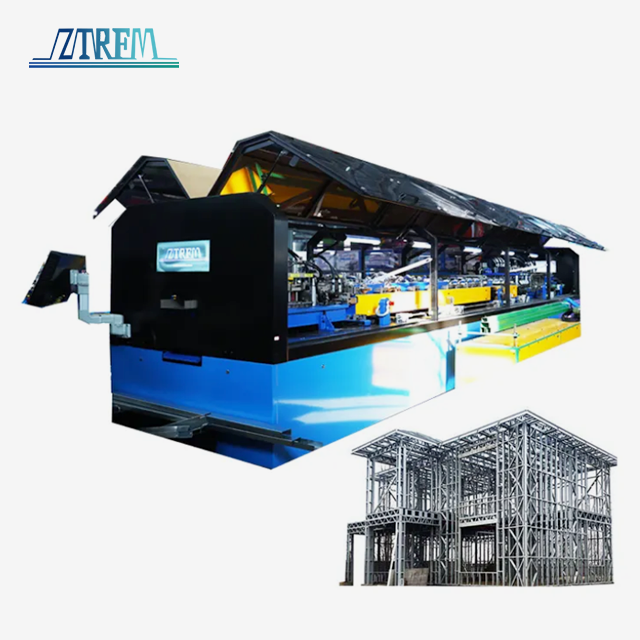
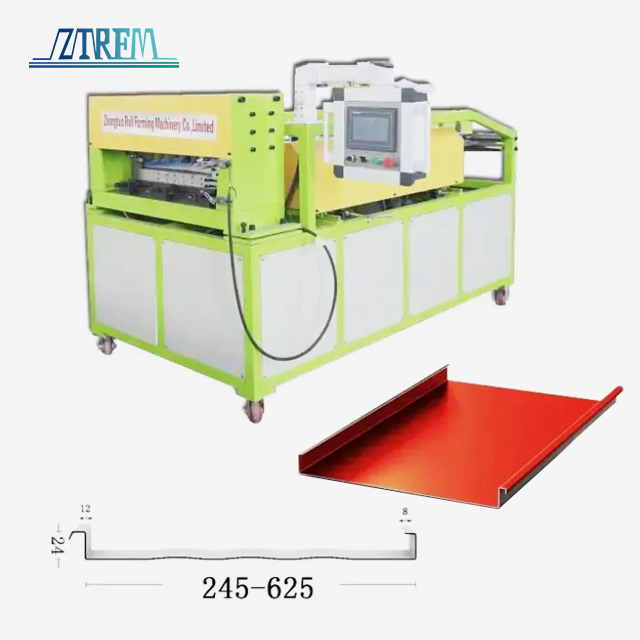
Warranty coverage, technical help, and global service networks are all important factors to consider when trying to find the best standing seam forming machine supplier. Our sources are certified manufacturers with ISO9001 and CE certifications, well-known distributors with a presence in the area, and specialised B2B platforms that connect buyers with verified suppliers. To make sure equipment works well and doesn't have to be out of use, makers usually offer 12- to 24-month guarantees, full training sessions, and technical support at all hours.
Understanding the Global Market for Standing Seam Forming Equipment
The metal roofing business has grown a lot, which has led to more demand for specialised forming equipment. People have started to use standing seam roof systems more for both homes and businesses because they look great and hold up better in bad weather.
Market Changes and Local Need
North America has the biggest share of the market at 35%, followed by Europe at 28% and Asia-Pacific at 25%. The construction industry's growth in emerging markets has opened up a lot of big opportunities for companies that sell equipment. It has become even more common to use metal roofing systems because of the move towards energy-saving building solutions.
Regional preference for standing seam forming machines differs a lot in each area. European markets favour precision and automated features, but North American markets favour production speed and adaptability. A lot of the time, Asian markets need cheap fixes that come with good technical support.
The Growth of Technology and the Rules for Businesses
Today's roof panel machines have automated systems that are very high-tech, controls that are driven by servos, and quality checks that are done in real time. It has become more important for industry standards to focus on energy efficiency, precision forming, and less material waste.
It has become common to use these key equipment specs: 16 to 20 rollers, 0.3 to 0.5 mm of material thickness, and hydraulic systems for clean edges.

Analysing Different Customer Segments and Their Requirements
Different groups of customers have different needs when they choose metal roofing machine suppliers. Understanding these needs helps find the best ways to get supplies.
Roofing System Makers for Buildings
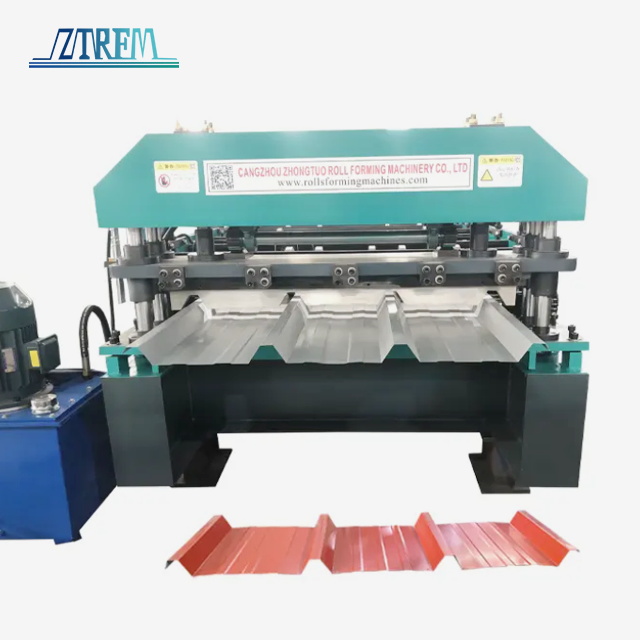
Large manufacturers put the most important standing seam forming machine tools first, which are highly efficient and can make a variety of roofing profiles. Their pain points are not enough production capacity, inconsistent forming quality, and hard maintenance. These customers appreciate suppliers that
- Steady high-speed performance with little downtime
- Changeable profile settings
- Global after-sales support that covers everything
- More advanced automation features to lower the cost of labour
Builders of Light Steel Structures and Purlins
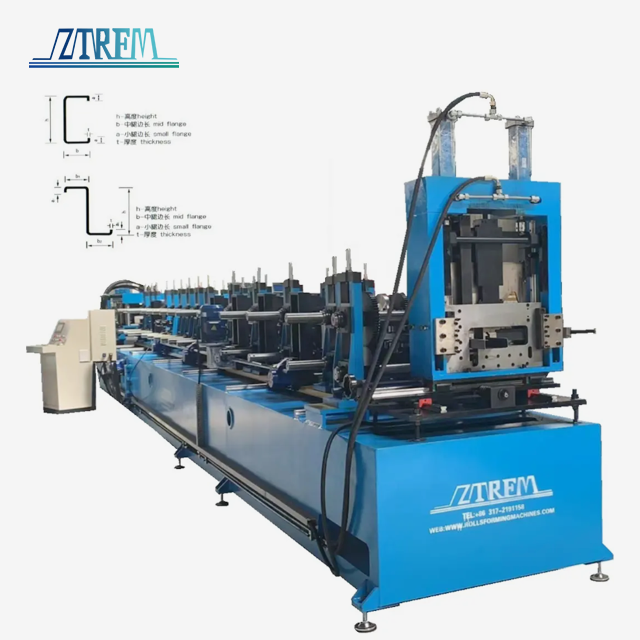
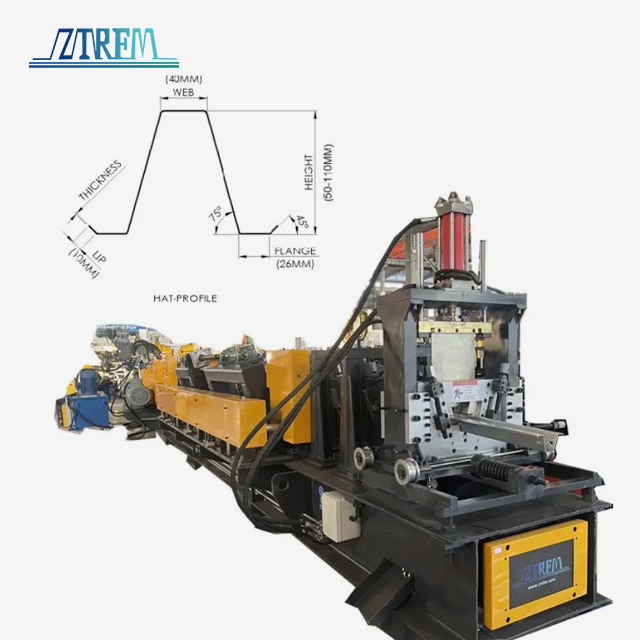
These builders need flexible tools that can quickly be set up for making C, Z, or hat-style purlins. It is hard to get high precision across complex cross-sectional changes and short setup times between production runs.
Engineering and EPC Companies from around the World
Global project builders want to find equipment that is certified, standardised, and okay to use all over the world. They need suppliers with a lot of experience, international licences, and service networks in more than one country.
Small Businesses and New Companies
New businesses need cheap standing seam forming machine options with full support packages. They don't know much about technology and don't have a lot of money, so supplier training and ongoing support are very important to them when they make decisions.

Comparing Sourcing Channels: Advantages and Disadvantages
There are many different ways to get metal forming tools, and each one has its own pros and cons.
Buying from the Manufacturer Directly
| Pros | Cons |
|---|---|
| Competitive prices and the ability to customise | Increased minimum order amounts |
| Direct help with technical issues and a warranty | Longer delivery times |
| Access to the newest tech and info | There isn't a lot of local service. |
| All-inclusive training plans | Communication problems due to time differences |
Local Sales People and Distributors
Regional distributors provide local inventory, quick technical help, and business practices that are easy to understand. But prices might be higher because of extra markup, and there might not be as many products to choose from outside of popular models.
Trade Shows and B2B Websites
Online platforms let you shop at many different stores at the same time, making it easy to find the best deal. At trade shows, people can try out and test equipment. These channels can get you good prices and a lot of different choices, but they require careful supplier verification.
Businesses and middlemen in trading
When trading companies take care of logistics and paperwork for standing seam forming machines, it makes it easier for businesses to source goods from other countries. They often offer consolidated sourcing services, but when it comes to complex equipment specs, they might not have the technical knowledge needed.
Essential Supplier Evaluation Criteria
Choosing the right supplier for roof panel roll forming equipment needs a careful look at many different factors.
Technical Skills and Credentials
Make sure that suppliers keep up with the ISO9001, CE, and other safety certifications that are important to them. Check out their ability to do engineering work, experience with custom work, and history with apps that are similar to this one. Ask for detailed technical information that includes
- Roller material specs: 45# steel that has been hardened
- Shaft diameter and the materials used to make it
- The efficiency and power ratings of motors
- Details of frame construction (welded 350H steel construction)
- System capabilities for cutting (hydraulic cutting systems)
Quality Control and Test Methods
Honest producers run their factories with a lot of quality control. Ask about how a lot is tested, how materials are certified, and how inspections are done before the shipment. Ask for proof of quality management systems and programmes for ongoing improvement.
Network and Infrastructure for Service and Support
Check out the supplier's global service capabilities for standing seam forming machines, how quickly they can respond, and how easily people can get spare parts. To keep equipment downtime to a minimum, strong suppliers keep regional service centres, certified technicians, and full parts inventories on hand.
The ability to stay financially stable and how businesses operate
Find out the supplier's business history, customer references, and financial stability. Set clear rules for when payments are due, when deliveries will happen, and how warranties work. Check to see if they can help you build long-term partnerships and manage your equipment's lifecycle.
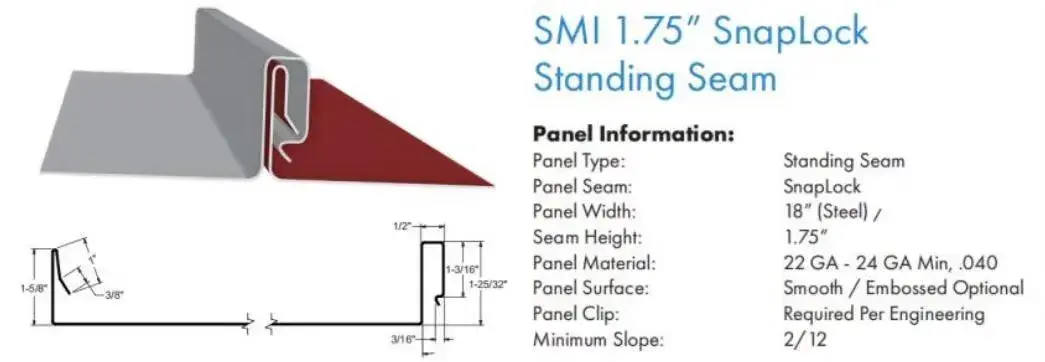
Key Technical Specifications for Standing Seam Equipment
Modern standing seam machines are set up in a way that makes them dependably useful.
The ability to process materials
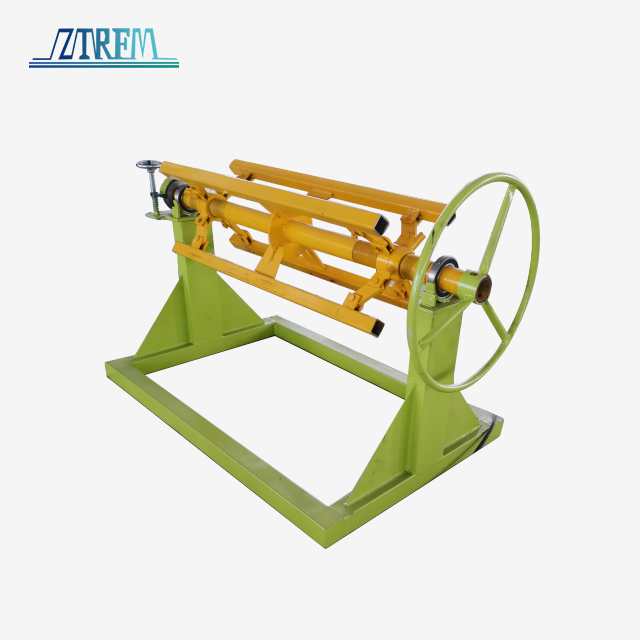
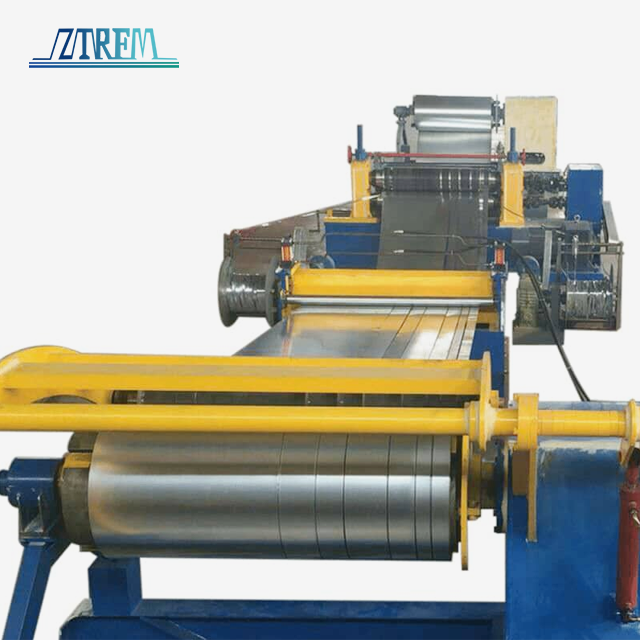
Quality equipment can work with both galvanised and pre-painted steel that is 0.3 to 0.5 mm thick. It is usually 5T hydraulic decoilers that are used to make sure that material feeds smoothly, and tension is kept under control during the forming process.
Creating the Station's Layout
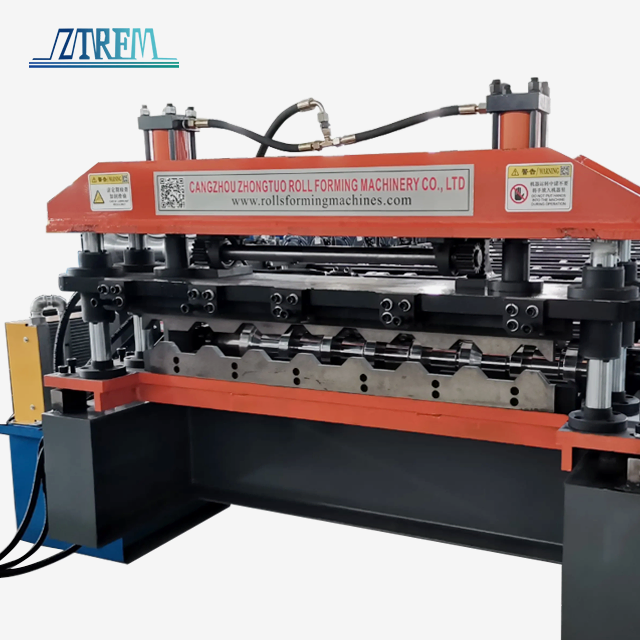
In the standard setup, there are 18 roller stations that use 45# steel rollers that have been hardened. The shaft specifications usually have a diameter of 80 mm and are made of tempered 45# steel. Chain gearbox systems make sure that all forming stations get the power they can count on.
Control and Power Systems
Today's tools use 5.5 kW motors that can be controlled to run at different speeds. Advanced PLC systems let you fine-tune parameters and keep an eye on production. Interfaces that are easy to use make things easier and cut down on the need for training.
Practical Procurement Guidelines
To get the right equipment, you need to plan and talk to your suppliers often.
Prices and Minimum Order Sizes
A lot of makers won't sell you less than one whole standing seam forming machine, but some offer package deals for more than one. Prices vary a lot based on the details, the number of things, and the way they need to be customised. Get full quotes that show the costs of installation, training, and shipping.
The Way to Pay and Risk Management
When you place an order, you usually pay 30% of the total right away and the rest before it ships. Making a letter of credit gives more protection to transactions between countries. For large purchases, inspection services and performance guarantees are worth considering.
Delivery Times and Installation Help
Standard equipment delivery takes 45 to 90 days, depending on the amount of customisation required. Figure in the time for shipping, customs, and installation. Make sure the people you buy from really do help with training and installation.
Mistakes People Often Make and How to Make Sure You Don't Make Them
Don't pick suppliers who can't give you technical information or customer references. Watch out for prices that are a lot lower than usual. They might mean lower quality or have hidden costs. Check that you can enforce the warranty terms in your area and that they are easy to understand.

Global Supply Chain Considerations
When you buy roofing profile machines from other countries, you have to think about rules and logistics.
Logistics and Shipping
Shipping equipment usually needs special care because of its size and weight. Coordinate with goods forwarders who have experience moving industrial machinery. Think about getting insurance for shipments that are worth a lot of money.
Regulatory and Customs Compliance
Check the rules for imports, duty rates, and certification for standing seam forming machines in the country you are going to. Some tools might need to be changed or checked for safety in order to meet the standards of the area. Take these needs into account when planning project timelines and budgets.
Transferring Technology and Teaching
Comprehensive training programmes are important for being able to use new equipment correctly. Check the suppliers' training, documentation, and support. Think about getting factory training for important people.
Conclusion
To successfully source standing seam forming machines, you need to carefully consider suppliers, technical specifications, and support capabilities. The best suppliers offer a lot of service and coverage, as well as global service networks and proven manufacturing knowledge. Direct manufacturer relationships often provide optimal value through competitive pricing, customisation options, and technical support. Local distributors, on the other hand, may be better at providing immediate help and using business practices that people are used to. A clear list of specification needs, careful supplier evaluation, and good risk management make sure that equipment procurement goes smoothly and operations stay successful in the long term.
FAQ
Q1: What is the after-sales warranty period for the standing seam forming machine?
A: Good manufacturers offer 12–24-month warranties on rollers, drive systems, and control electronics. Full warranties should include free replacement parts, technical support, and home service for major issues. Choosing a long warranty usually provides more coverage.
Q2: How can I verify a supplier's technical expertise and credentials?
A: Get new safety, CE, and ISO9001 certificates. Request customer references, factory tours, and sample-making demonstrations. Examine their engineers' schools and jobs. Make sure they've used similar apps.
Q3: How long does a custom standing seam forming machine usually take to arrive?
A: Custom setups take 60–90 days and standard equipment 45–60 days. Allow two to four weeks for shipping and customs. When scheduling production, include installation and startup time.
Partner with ZTRFM for Premium Standing Seam Forming Solutions
ZTRFM is a top manufacturer of standing seam forming machines, and they have been using cold roll forming technology for over ten years. Our wide range of equipment includes state-of-the-art 18-station forming machines that can work with galvanised and pre-painted steel as thin as 0.3 mm. Each machine has a strong frame made of 350H steel welded together, precise 45# steel rollers with quenching treatment, and dependable 5.5kw motor systems.
All of our equipment is made with consistent quality because our ISO9001, CE, and CAS certified manufacturing processes guarantee it. Our large network of services means we can offer support like no one else, and with over 150 countries receiving successful deliveries from us, we truly go global. Our engineers come up with new ways to make sure your exact needs are met, whether you want standard setups or custom OEM/ODM solutions.
With ZTRFM, you get installation help, operator training, and lifetime technical support as part of our complete support package. Our promise to quality goes beyond delivering equipment. We also offer easily accessible spare parts, quick customer service, and programmes for ongoing improvement. Get in touch with us at zhongtuorollforming@gmail.com to talk about how you want to make your standing seam. We'll let you know why the best companies pick ZTRFM for their metal forming needs.

References
1. Metal Construction Association. "Standing Seam Roof System Installation Guidelines and Best Practices." Technical Manual Series, 2023.
2. International Building Code Council. "Metal Roofing Standards and Certification Requirements for Commercial Applications." Construction Standards Review, 2023.
3. Industrial Machinery Research Institute. "Global Roll Forming Equipment Market Analysis and Technology Trends." Manufacturing Equipment Quarterly, 2023.
4. American Society of Civil Engineers. "Structural Performance Standards for Metal Roofing Systems in Commercial Construction." Engineering Standards Publication, 2022.
5. European Committee for Standardization. "Quality Requirements for Roll Forming Machinery in Metal Construction Applications." Technical Standard EN-2023.
6. Construction Industry Research Board. "Comparative Analysis of Metal Roofing Installation Methods and Equipment Efficiency." Industry Report Series, 2023.